When the suitcase explosion takes over
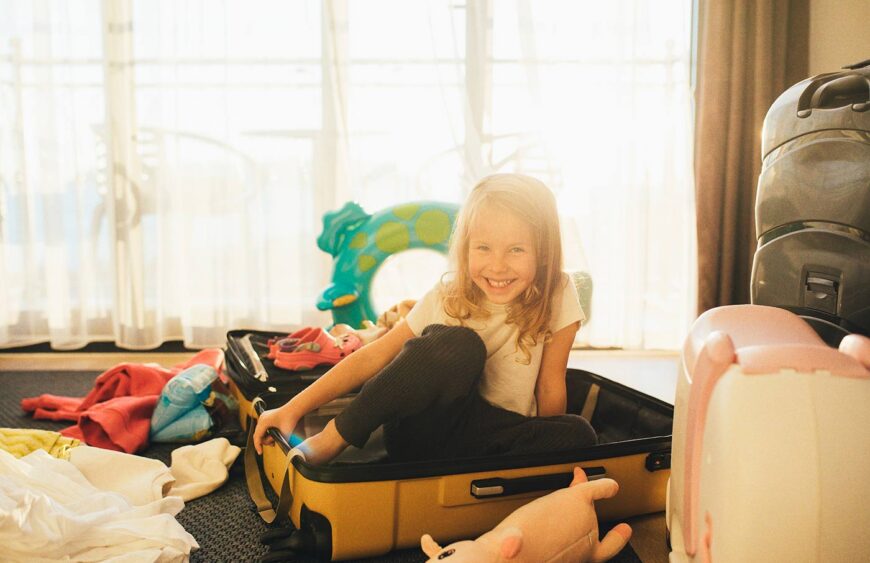
Every parent knows the moment. You open the hotel room door, drop the luggage, and within five minutes it looks like a hurricane swept through. Socks are on the bed, toys are scattered across the floor, and you’re still digging through a tangle of clothes to find pajamas. In theory, unpacking should make life easier. In reality, it often turns into another layer of stress when you’re traveling with kids.
The problem isn’t just the stuff — it’s the way families use it. At home, every item has a place. On the road, it all spills out at once, and suddenly your “vacation” feels like a battle against clutter. The good news is that with a few smart strategies, you can turn unpacking from a chore into a quick system that keeps everyone sane for the rest of the trip.
What you’ll find in this guide:
Why unpacking is harder with kids
Deciding how much to unpack vs. keep packed
Setting up zones in small spaces
Hacks for organizing clothes and gear
Involving kids in the unpacking process
Final thoughts: a little order goes a long way
FAQs
Why unpacking is harder with kids
On your own, unpacking is simple: hang a few things, line up toiletries, and you’re done. With kids, it’s a circus. There are tiny socks, crumpled pajamas, travel toys, snacks, and comfort items. All of which somehow end up scattered around the room within minutes.
Part of the chaos comes from different family members needing different things at different times. One child wants their swimsuit immediately. Another needs a comfort toy for nap time. You need to dig out toothbrushes before bed. Suddenly every suitcase is open, half-empty, and impossible to zip shut again.
The trick is to accept that unpacking with kids isn’t about putting everything neatly away, it’s about creating just enough order that you can find what you need without stress.
Deciding how much to unpack vs. keep packed
One of the biggest questions parents wrestle with is: do we unpack everything, or live out of the suitcase? The answer usually depends on the length of stay.
If you’re in a place for one or two nights, partial unpacking makes more sense. Pull out only the essentials: pajamas, toiletries, and the next day’s clothes. Everything else stays in packing cubes or zipped compartments. Think of it as a “grab-and-go” system.
For longer stays, unpacking more fully pays off. Hanging clothes keeps them neat, drawers prevent endless digging, and having snacks or diapers out in plain sight saves time. The danger is letting it sprawl. So set limits. One drawer for each child, one shelf for snacks, one spot for shoes. Enough order to function, but not so much that you spend half your holiday re-packing.
Setting up zones in small spaces
The secret to surviving in small hotel rooms or rentals is zones. Without them, everything blurs together. Toys on the bed, shoes underfoot, toiletries on the wrong sink. Zones give kids (and parents) mental boundaries.
For example, designate one corner as the toy/play area. A chair can double as the “charging station” for devices. A single shelf becomes the snack zone. Even dirty laundry should have a defined spot. A collapsible bag or even a corner of the closet. The point isn’t perfection; it’s predictability. When everyone knows where things belong, you spend less time asking “Where the eff is my…?” and more time actually enjoying the trip.
Hacks for organizing clothes and gear
Parents swear by a few simple tricks that make unpacking smoother:
- Packing cubes as drawers: Instead of dumping clothes into a dresser, slide the cubes straight in. Kids can pull out their cube without wrecking everyone else’s clothes.
- Outfits pre-packed in bags: Some families pack each day’s outfit (shirt, shorts, underwear, socks) in a single Ziploc. Each morning, kids just grab a bag. No arguments, no hunting.
- Hanging organizers: A shoe organizer on the back of the door becomes a catch-all for toiletries, chargers, and snacks. Suddenly the sink isn’t cluttered, and you can actually find toothpaste.
- Laundry system: A pop-up hamper or laundry bag keeps dirty clothes corralled. Without it, socks multiply across the floor like weeds.
None of these hacks require expensive gear, just a bit of foresight. The payoff is huge: less stress every time you reach for something.
Balancing novelty with familiarity
Travel is about newness, and kids should get to experience that. But too much novelty at once can overwhelm them. The secret is balance. Introduce something new alongside something familiar. Try a local dish for lunch, but end the day with a comfort snack from home. Explore a busy city in the morning, but make bedtime exactly like it is back home.
This balance helps kids stretch without breaking. They learn to associate adventure with security, instead of seeing the two as opposites. Parents who frame new experiences as “different, but safe” report that kids adapt faster and become more curious instead of more resistant.
Involving kids in the unpacking process
Unpacking doesn’t have to be an adult-only job. In fact, letting kids take part often helps them feel more settled. Toddlers can put their toys in a drawer. Older kids can set up their “zone” for clothes or arrange their books. Giving them a task not only eases your workload but also gives them ownership of the space.
Parents in travel forums often report that when kids help organize, they’re more likely to keep things tidy or at least less likely to scatter everything on the floor. It also makes the room feel less like a strange place and more like “theirs,” which eases transitions.
A little order goes a long way
Unpacking will never be glamorous, but it doesn’t have to be chaos. With kids, the goal isn’t a perfectly organized room; it’s a functional one. Decide how much to unpack based on your stay, carve out zones, use a few simple hacks, and let the kids help.
The result isn’t just a tidier room. It’s fewer meltdowns when pajamas are missing, fewer arguments when toys can’t be found, and more energy for what really matters. Enjoying the adventure you came for.
Too Long? Here are the most common questions we’re asked.
Not usually. Just pull out essentials and keep the rest organized in packing cubes or bags.
Give them a defined toy zone. A corner, a blanket, or a drawer. When toys have a “home,” they’re less likely to take over the whole room.
Bring a lightweight laundry bag or pop-up hamper. It keeps dirty clothes contained and makes re-packing much easier.
Pre-pack outfits in bags or packing cubes. Kids just grab one and change, saving time and arguments.
Yes. Involving them in organizing helps them feel settled and responsible. It also means fewer “Mooom, where’s my…?” moments.