Sleeping on Planes with Kids: Urban Myth or Manageable?
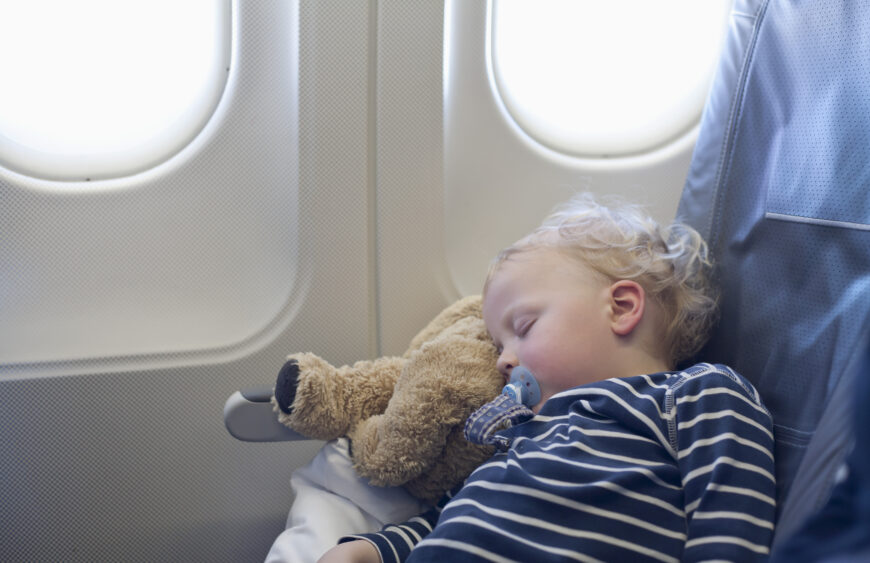
TL;DR: Can your kid actually sleep on a plane? Maybe. But you’ll need strategy, snacks, and enough emotional flexibility to accept that they might not. Here’s how to improve your odds and preserve your sanity.
If you’ve ever walked off a red-eye with a toddler who refused to close their eyes once, you’ve probably sworn you’d never do it again. Yet, plenty of parents post triumphant photos of their children blissfully snoozing mid-flight. So, which is it? Is airplane sleep with kids just a unicorn parents pretend exists, or is it actually possible to help your little ones rest in the sky?
The truth lies somewhere in between. Children can sleep on planes, but it takes planning, flexibility, and realistic expectations. Here’s what stressed parents need to know before banking on in-flight slumber.
Jump to Section:
The Dream v.s. Reality
Choosing the Right Flight
Seat Setup Matters
Bringing Bedtime on Board
Managing Light, Noise, and Distractions
Age-Specific Sleep Challenges
What if They Just Don’t Sleep?
The Myth. Busted?
FAQs
The Dream vs. The Reality of Airplane Sleep
It’s easy to fantasize about your baby nodding off as the engines roar, only to wake up refreshed as you land across the world. The reality often includes restless toddlers kicking tray tables, overtired babies shrieking at 2 a.m., and parents pacing the aisle like zombies.
But sleep on planes isn’t a complete urban myth. Many parents find that when they plan flights thoughtfully, recreate bedtime routines, and bring the right gear, their kids do eventually drift off. Others learn the hard way that sometimes despite best efforts sleep just doesn’t happen, and that’s okay too.
Choosing the Right Flight Can Make or Break Sleep
One of the biggest factors isn’t what you pack, but when you fly.
- Overnight flights (red-eyes): Babies and toddlers are more likely to fall asleep during their natural nighttime hours. Parents often swear by booking red-eyes for long-haul travel.
- Daytime flights: These can reduce jet lag on shorter trips, but naps may be harder to secure because of stimulation and excitement.
- Layovers: Think twice before choosing multiple connections. Broken sleep cycles mean your child may resist dozing off again after waking in a new airport environment.
Tip from parenting forums: some parents skip the pre-flight nap and “lean into exhaustion,” while others protect naps before boarding to avoid an overtired meltdown. The right choice depends entirely on your child’s temperament.
Seat Setup Matters More Than You Think
Where you sit can drastically affect whether your child drifts off.
- Bassinet rows: For infants under 11kg/24lbs, many airlines offer bassinets in bulkhead seats. Book early, as these go fast.
- Window seats: Best for toddlers and preschoolers you can lean them against the wall, control the window shade, and avoid aisle bumps.
- Aisle seats: Better for parents who need to get up frequently with infants, but noisier and brighter.
- Extra legroom seats: Pricier, but they give you more space to stretch, rock, or set up sleep gear.
Some parents invest in inflatable footrests or travel cushions to create a flat sleeping surface for toddlers. Note: not all airlines allow these, so check ahead.
Bringing Bedtime on Board
Kids thrive on routine, and that doesn’t stop at cruising altitude. Recreating familiar cues tells their bodies it’s time to rest.
- Pajamas: Change into sleep clothes mid-flight to signal bedtime.
- Toothbrush and washcloth: Do the usual pre-sleep hygiene, even in the airplane bathroom.
- Stories or songs: Read a book or play the same lullaby you use at home.
- Comfort items: A favorite blanket or stuffed animal can work wonders for easing anxiety.
It won’t feel exactly the same as home, but these rituals can help bridge the gap between normal bedtime and the chaos of flying.
Managing Light, Noise, and Distractions
Airplanes are sensory overload. Tackling the environment makes a big difference:
Stimulation:
Avoid screen time right before you want them to sleep. Bright cartoons trick the brain into staying alert. Switch to calming music or audiobooks.
Noise:
Kids’ headphones or soft ear defenders block cabin sounds. White noise apps or machines (set to airplane mode) can also help.
Light:
Window shades, toddler eye masks, or even draping a blanket over the seat (without blocking vents or signs) can dim the space.
Age-Specific Sleep Challenges
Babies (0–12 months):
Feeding during takeoff and landing helps with ear pressure and often lulls babies into a nap. Swaddles and bassinets are useful, though not all infants adjust to new environments easily.
Toddlers (1–3 years):
The hardest group. They’re mobile, opinionated, and often fight sleep. Set clear boundaries: quiet play first, then sleep attempt. A small pillow and blanket help create a “bed corner” on the seat.
Preschool & school-aged kids (4–8 years):
Usually capable of dozing if comfortable. Headphones, neck pillows, and a tablet with a sleep timer can encourage winding down.
Tweens & teens:
Ironically, the easiest group. A hoodie, headphones, and the chance to tune out family often equal a solid nap.
What If They Just Don’t Sleep?
Here’s the uncomfortable truth: sometimes, no matter what you do, your child simply won’t sleep on a flight. This doesn’t mean you failed. It means you have a human child with their own rhythms.
When sleep doesn’t happen:
- Accept survival mode. One sleepless flight won’t ruin the whole trip.
- Rotate parenting shifts so one adult rests while the other entertains.
- Encourage low-energy activities like sticker books, drawing, or audiobooks.
The Myth, Busted
So is sleeping on planes with kids an urban myth? Not quite. It’s absolutely possible, but it’s not guaranteed. Some flights will surprise you with hours of blissful quiet; others will test your patience to the limit.
Either way, you’ll land. You’ll get through customs. And in the bigger picture, your kids won’t remember the sleepless flight nearly as much as they’ll remember the adventures that followed. That’s the real win.
Final Thoughts on Helping Toddlers Sleep on Flights
If you walk off the plane and no one cried for more than 30 minutes straight? That’s a win. If your kid slept and you didn’t have to bribe them with 17 snacks and a new iPad game? That’s the jackpot.
You’re not looking for perfection. You’re just trying to keep the wheels from falling off long enough to reach your destination.
Too Long? Here are the most common questions we’re asked.
Yes, if you’re traveling long-haul. Overnight flights align with children’s natural sleep rhythms, but keep in mind it doesn’t guarantee success.
Infants often do best in bassinet rows, toddlers by the window, and older kids wherever they can lean comfortably. Extra legroom is always a plus.
Some airlines permit them, others don’t. Always check your airline’s policy before packing sleep accessories.
Stick to bedtime cues (pajamas, stories, cuddles), limit sugar and screens, and create a dark, quiet space with blankets or eye masks.
Don’t panic. Rotate with your co-parent if possible, offer quiet distractions, and accept that one sleepless flight won’t ruin the holiday.