Planning for Flight Delays With Kids: A Realistic Guide for Parents
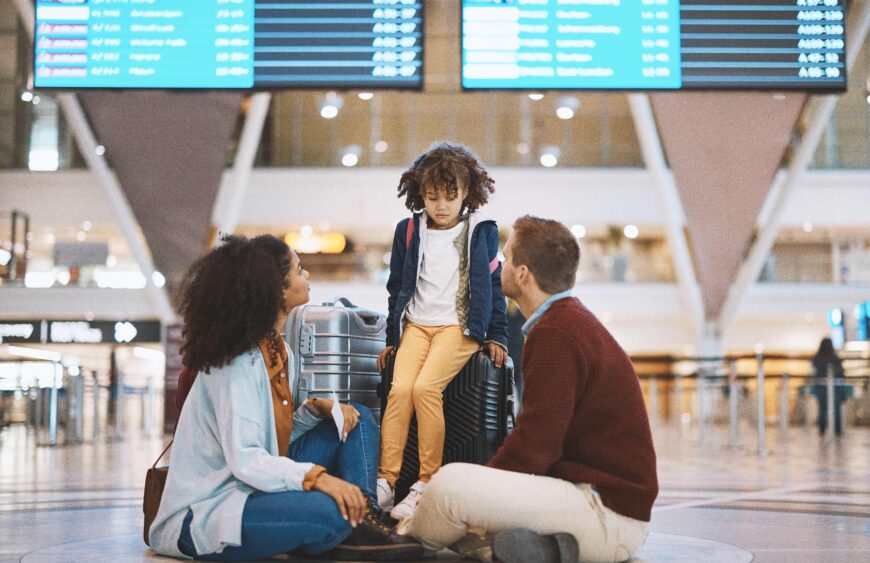
Flying with kids has a way of exposing how fragile even the best plans really are.
You can choose good flight times, pack carefully, and still end up watching a departure board slowly turn red. That moment often hits harder when children are involved, because the margin for error feels smaller. Kids need food, rest, and reassurance on a predictable rhythm, and airports rarely cooperate. The problem is not that something went wrong, but that most parents were never told to expect it.
Planning for flight delays with kids starts with accepting that disruption is not an exception. It is part of modern air travel, especially for families. Delays, missed connections, and cancellations happen often enough that treating them as rare events creates unnecessary stress. Parents who travel calmly tend to assume from the beginning that plans may change. That assumption quietly shapes better decisions long before the first delay appears.
Many parents feel pressure to keep everything running smoothly for their children. When flights go off schedule, that pressure turns inward and quickly becomes anxiety. Kids notice that tension immediately, even if nothing has been said out loud. Stress spreads faster than information in these moments. The goal is not to eliminate stress entirely, but to stop it from escalating.
This article is not about avoiding problems. It is about building a mindset and structure that holds up when problems show up anyway. Planning for flight delays with kids means choosing resilience over perfection. When parents prepare for disruption, they regain a sense of control even when circumstances change. That sense of control makes everything else easier.
What You'll Find in this Guide
It starts before you fly
Why delays hit harder
How to build flexibility
What to prioritize
How to talk to kids when delayed
Making airports survivable
When to push forward or change
What kids can learn from disruption
FAQ’s
Why delays feel bigger when you are traveling with children
Flight delays affect adults and children differently, even when the delay is the same length. Adults understand abstract timelines and uncertainty. Children live almost entirely in the present moment. When you tell a child that boarding will happen later, later has no clear meaning. This gap in understanding is where frustration often begins.
Traveling with kids flight delays also disrupt routines that children rely on more heavily than adults. Meals, naps, and bedtime anchor a child’s sense of safety. When those anchors shift unexpectedly, kids can feel unsettled long before they can explain why. Parents sometimes misread this as misbehavior rather than dysregulation. That misunderstanding can escalate situations quickly.
Flying with kids stress often comes from trying to preserve a schedule that no longer exists. Parents push forward mentally while children lag behind emotionally. Airports amplify this mismatch by adding noise, crowds, and constant announcements. Each new update feels like another demand on already stretched attention. Without a plan for disruption, parents end up reacting instead of deciding.
Missed connection with children scenarios introduce another layer of difficulty. Adults may immediately start calculating alternatives, while kids sense something is wrong but lack context. That disconnect can make children anxious even if solutions are available. Planning for these moments means preparing not just logistics, but communication.
Understanding why delays hit families harder helps parents respond with more patience. It shifts the focus from fixing the schedule to supporting the people involved. When parents stop expecting children to cope like adults, interactions become calmer. That adjustment alone can dramatically change how a delay feels.
Planning flexibility before the trip even begins
Flexible travel with kids is often misunderstood as improvisation. In reality, it is built into the trip before anyone packs a bag. Planning for flight delays with kids begins at the booking stage, not at the gate. Choices made early determine how much pressure families feel later.
Connection times matter more than many parents realize. Tight connections may save money or time on paper, but they leave no room for children’s needs. A slightly longer layover can be the difference between manageable inconvenience and total exhaustion. Families planning flights often underestimate how quickly small delays compound.
Arrival days also deserve careful thought. Scheduling important activities immediately after landing assumes everything will go perfectly. When it does not, disappointment sets in fast. Treating arrival day as low commitment reduces emotional stakes for both parents and kids. This is especially important on longer journeys.
Parents planning longer journeys often run into the same issues we cover in our guide to overnight flights with kids, where fatigue magnifies stress. Buffer time protects families from having to make hard decisions while exhausted. That protection is part of planning, not luck. It creates space for flexibility when it matters most.
Mental framing is just as important as logistics. Expecting disruption does not make it more likely. It makes it less damaging. When parents travel expecting some friction, they adapt faster and model calm problem solving for their kids.
What actually matters once the plan falls apart
When flight delays with kids become unavoidable, priorities must narrow quickly. Trying to salvage the original plan often creates more stress than relief. At this stage, success looks different than it did before the delay. It becomes about maintaining stability rather than sticking to a schedule.
Food and hydration take precedence over everything else. Hunger lowers tolerance quickly, especially for young children. Snacks that your child reliably eats are emotional regulation tools, not just calories. Parents who skip this step often end up dealing with unnecessary meltdowns.
Rest is the next stabilizer. Sleep may not happen as planned, but quiet downtime still matters. A stroller nap, carrier rest, or even sitting quietly with a screen can help reset a child’s nervous system. Expecting children to stay alert indefinitely in an airport is unrealistic.
Staying calm during flight delays with kids also means protecting emotional tone. Parents do not need to hide frustration completely, but they should avoid urgency unless it is truly required. Speaking slowly and clearly reassures children more than forced positivity. Calm does not mean pretending everything is fine.
Handling travel disruptions with children becomes easier when parents redefine success. The trip does not fail because the plan changed. It only becomes harder if parents resist the change. Acceptance creates forward motion when rigidity causes friction.
How to communicate clearly with kids during disruptions
Communication becomes more important during delays, not less. Children sense tension quickly, even if adults try to mask it. Clear explanations reduce anxiety because they replace uncertainty with understanding. The key is adjusting the level of detail to the child’s age.
Younger children need simple facts repeated calmly. Telling them what is happening and what will happen next provides structure. Avoid over explaining or promising outcomes you cannot control. Honesty builds trust even when news is disappointing.
Older children benefit from being included in problem solving. Explaining why a missed flight happened and what options exist helps them feel involved rather than powerless. Missed flights with kids what to do often becomes easier when kids understand the process. Inclusion can turn frustration into cooperation.
Parents should also normalize feelings during delays. Saying that it is okay to feel bored or disappointed validates the child’s experience. Dismissing emotions often intensifies them. Validation helps children move through frustration faster.
This approach mirrors what many families experience after travel as well. Emotional processing often happens later, which we explore more deeply in our article about helping kids adjust after long travel days. Communication during delays sets the tone for that later adjustment.
Making airports livable when time stretches on
Airport delays with toddlers and young kids demand creativity more than efficiency. Movement helps regulate energy and mood. Walking laps, exploring terminals, or changing scenery can reset tension. Stillness often makes frustration worse.
Finding quieter spaces can dramatically change how a delay feels. Airports are overwhelming environments, especially during peak times. Reducing sensory input helps children self regulate. Parents who seek calm rather than convenience often see faster emotional recovery.
Role sharing matters when traveling with another adult. Taking turns managing children allows each parent brief recovery time. This prevents burnout and short tempers. Many parents underestimate how much this simple shift helps.
Screens play a practical role during long delays. Letting go of strict screen rules during disruptions is reasonable. Screens provide distraction, familiarity, and rest. They are tools, not failures, in these situations.
Airport survival tips for parents often focus on gear, but mindset matters just as much. Expecting the airport to entertain your child sets unrealistic expectations. Treating it as a space to endure calmly is more effective.
Knowing when to push forward and when to pivot
One of the hardest skills in family travel is recognizing limits. Flight cancellations family travel situations often force quick decisions. Parents must decide whether to continue pushing or change plans entirely. That decision should prioritize the family’s capacity, not the original itinerary.
Children reach overload faster than adults. Signs include irritability, withdrawal, or physical complaints. Ignoring these signs often leads to bigger problems later. Knowing when to stop is a form of planning, not failure.
Airlines may offer multiple rebooking options during disruptions. Choosing the fastest route is not always the best option for families. Sometimes a longer path with rest is healthier. This perspective helps parents make decisions they will not regret later.
Missed connection with children scenarios can feel dramatic in the moment. Taking a few minutes to assess needs before deciding often leads to better outcomes. Rushed decisions under stress rarely serve families well.
Family travel delays become more manageable when parents trust their judgment. Planning for disruption gives parents permission to change course without guilt. That permission protects everyone’s well being.
What kids learn when parents plan for disruption
Children learn how to handle uncertainty by watching adults. When parents respond calmly to delays, kids internalize that response. These experiences shape how children view change and inconvenience. The lessons last longer than the delay itself.
Flexible parents raise flexible travelers. Kids who see plans adapt without panic develop confidence. They learn that problems can be solved without drama. This skill extends far beyond airports.
Family travel delays often become stories later, not scars. When handled with steadiness, they turn into shared memories. Children remember how they felt more than what went wrong. Calm responses create positive recall.
Planning for flight delays with kids is ultimately about teaching resilience. It shows children that the world does not always cooperate, and that is okay. That lesson is invaluable.
Over time, families who plan for disruption travel with less anxiety. Confidence grows from experience, not perfection. Knowing you can handle problems makes travel feel possible again.
Too Long? Here are the most common questions we’re asked
How do I keep my kids calm during long flight delays?
Focus on food, rest, and clear communication. Small comforts and predictable routines help children regulate. Staying calm yourself sets the tone for your child.
What should I pack specifically for flight delays with kids?
Bring reliable snacks, water bottles, comfort items, and simple entertainment. These basics support emotional stability during disruptions. Avoid relying on airport availability alone.
Are missed connections harder with toddlers or older kids?
Both present challenges in different ways. Toddlers struggle with waiting and routine changes, while older kids feel frustration more deeply. Preparation helps with both.
Should I explain delays honestly to my kids?
Yes, using age appropriate language. Honest explanations reduce anxiety more than vague reassurances. Avoid making promises you cannot guarantee.