Travelling as a Single Parent with Kids: Real Tips
Tips, Tricks, and Real-World Advice
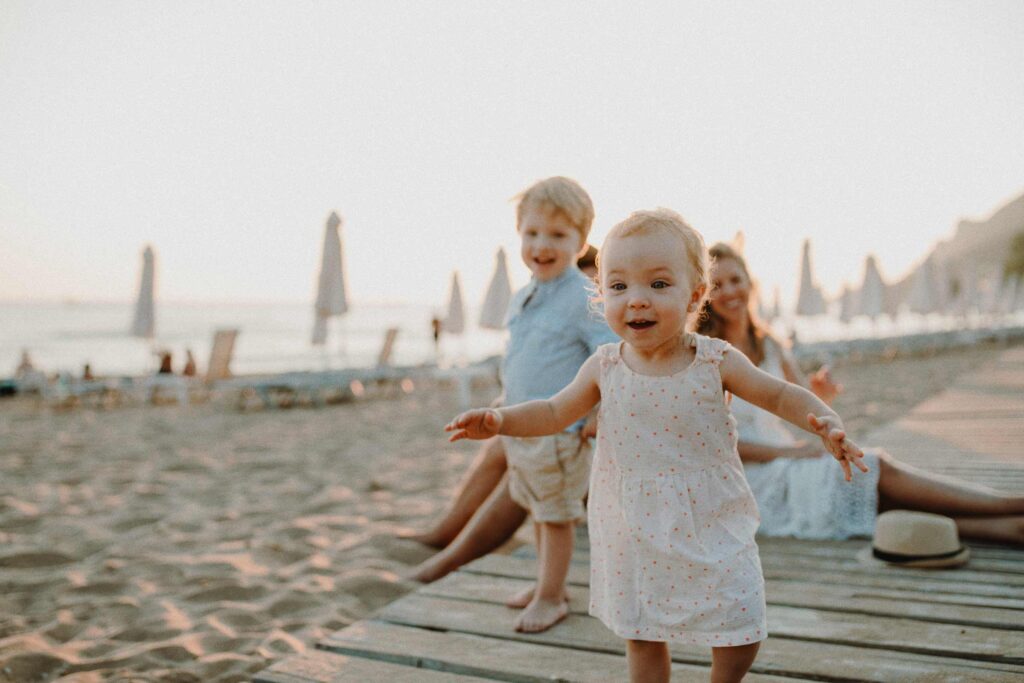
Travelling as a single parent with kids can feel like you are running a small, chaotic company where you are also the CEO, the customer service desk, and the person carrying the snacks. There is nobody to hold your coffee while you fold the stroller. Nobody to stand with the bags while you sprint to the bathroom because your toddler suddenly needs to pee with the urgency of a fire drill. And yet, plenty of families do it, and do it well, because single parent travel with children is not some mythical unicorn thing, it is just a different kind of planning. The goal is not perfection, it is momentum, safety, and a trip that does not leave you needing a second vacation to recover.
What You'll Find in this Guide
Paperwork and permissions
The travel-day game plan
Crowds, sleep, and the “what if” plan
Budgeting and pacing
When you get home
FAQ’s
Paperwork and permissions that save you at the gate
If there is one place solo family travel gets unfair, it is paperwork. You can be the calmest, most prepared parent on earth, and the moment an agent asks, “Are you travelling alone with the child?” your brain can temporarily forget your own name. This is why documents needed for single parent traveling with child should live in one place, always, and be easy to grab fast. Think passport, any required visa, travel insurance details, and a printed itinerary with addresses and phone numbers. You are not being dramatic by over-prepping here, you are buying yourself a smoother day.
A big one for international travel as a single parent is the permission piece. Rules vary by country, and not every border officer asks, but when they do, it can get awkward quickly if you have nothing. Many parents carry a consent letter for single parent travel, sometimes called a travel consent letter, signed by the other parent when applicable. If there are custody agreements or court orders that explain travel rights, bring a copy, even if you hope never to show it. The goal is not to argue your case, it is to prevent delays that wreck your connection and your mood.
Now for the part nobody likes talking about: names. If your child has a different last name than you, the “extra questions” likelihood goes up, especially on international routes. Having a birth certificate copy or equivalent document that links you to your child can reduce the back and forth. It is not about suspicious staff, it is about them following a process. Many parents find the easiest approach is to keep a slim folder that includes originals where required, plus a few clean photocopies, and a digital backup that is accessible offline. Customers have told us that even having the documents neatly stacked can change the tone of an interaction, because it signals you have done this before.
Healthcare paperwork matters too, especially if you are travelling alone with kids and cannot split responsibilities in a moment of stress. Pack a simple summary page: allergies, medications, doses, and a note about any chronic conditions. Add the child’s doctor contact and your travel insurance hotline, then put it somewhere you can reach with one hand. If you are travelling within Europe, keep EHIC or relevant insurance documents handy, and if you are going farther, check the basics on a trusted authority site like the CDC travel health pages. You do not need to become a medical nerd, you just need to avoid scrambling at 2 a.m. in a hotel room.
Finally, think about what happens if your phone dies at the worst possible moment. It will. Bring printed boarding passes if available, or at least print your booking reference and flight numbers. Keep a paper list of emergency contacts, including someone at home who can be reached quickly. If your child is old enough, have them practise saying your full name and phone number, or carry it on a small card in their bag. This part feels unglamorous, but it is the backbone of travel tips for single parents that actually work when life gets loud.
The travel-day game plan: airports, trains, transfers
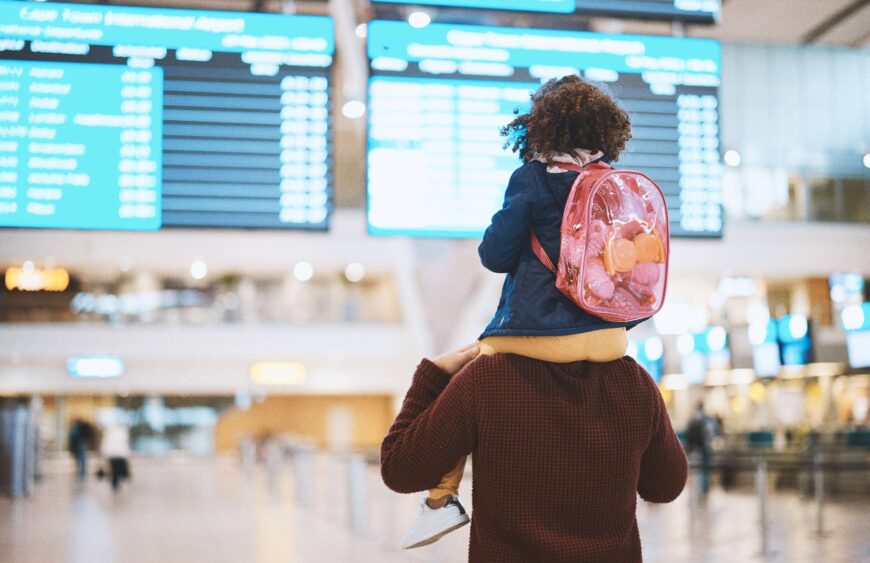
When you are flying alone with kids as a single parent, the hard part is not the flight. It is the series of small moments where you need an extra set of hands and you do not have them. So you build a system that makes your hands feel like they multiply. Your number one job is to reduce decision making on the day, because every decision is a tiny leak in your energy. Pack the same way every time, keep essentials in the same pocket, and treat the first hour of travel like a rehearsal you have already done.
Start with check in and security. The trick is to make your “must have” items reachable without unpacking your whole life in public. Keep passports and paperwork in a single zipper pouch. Keep wipes, a snack, and one small distraction item in an outer pocket that can be grabbed while you are in a line. If your kid is in the stage where they touch everything, assume they will touch everything at security, then plan accordingly. Wipes are not optional, they are currency.
Strollers and carriers are your tactical choices, not your parenting identity. If your child can walk, they still may not walk when the terminal is huge, loud, and full of interesting floor stickers. A carrier can free up your hands and your brain, while a stroller can hold your bags and give your child a “home base” to crash in. Many single mom travel tips with kids and single dad traveling with kids boil down to the same point: pick the gear that makes your body last longer. The best setup is the one you can manage while also answering a question from a staff member and stopping your toddler from licking the moving walkway.
Boarding is where solo parent travel tips can save your sanity. If you board early, you get time to set up your seat area, but you also spend extra time contained in the plane. If your kid struggles with waiting, boarding later can mean less trapped time, but you risk overhead bin chaos. There is no perfect answer, so choose based on your child, not on what looks polite. If you can, pre-pack a “seat kit” that includes everything you need for the first 45 minutes: water, snack, wipes, headphones, and one comfort item. That way you are not digging through bags while everyone behind you is trying to get past.
If you are not flying, the same logic applies to trains and buses: plan your transfers like a small military operation. Know where the elevators are, know which platform you need, and budget more time than you think you need. If your kid naps, protect that nap window like it is a fragile glass ornament. Single parent vacation planning works best when you accept that your pace is slower, and that is not a failure. It is what keeps everyone functional and keeps you from snapping at a stranger because your child dropped a cracker.
By the way, if you want a reality check on airport flow and what to expect when you are solo, this comes up a lot in parenting forums when people talk about Flying Alone with Kids: What to Expect and the broader flying with kids hub here. It is basically the collection you read at 11 p.m. while packing and thinking, “Please let tomorrow be normal.”
One last travel day trick: build in micro-wins. A ten minute playground stop near the gate, a quick loop around the terminal to burn energy, a snack break that is treated like an event, not a desperate shovel-fest. Your child does not need constant entertainment, they need rhythm. When they know what comes next, they melt down less, and you feel less like you are juggling knives. That is the quiet magic of traveling alone with kids: it is not harder every second, it is just less forgiving when you wing it.
Safety and sanity in public: crowds, sleep, and the “what if” plan
Safety tips for single parents traveling with kids are really about reducing panic. Not because bad things are around every corner, but because when you are one adult with two small humans, the consequences of being separated feel heavier. So you plan for the boring scenarios, and that makes the scary ones less likely. Start with a simple family rule: if you cannot see me, you stop. Practise it before the trip, not in the middle of a busy attraction when everyone is tired and you are trying to read a map.
Crowds are where solo parents burn out fast. You cannot split up to get tickets and hold a place in line. You cannot say, “Wait here with Dad,” while you run to find the bathroom. So you design your day around fewer pressure points. Go early, take breaks, and choose one “big thing” a day, not three. Many parents find that the moment they stop trying to prove they can do everything alone, the trip becomes easier. It is not about lowering standards, it is about building a day that fits your reality.
Hotels and rentals come with their own safety rhythm. Do the quick scan when you arrive: balconies, windows, sharp corners, breakable items, and anything that could turn into a climbing invitation. If you are in a high-rise, make the balcony rule crystal clear and repeated like a chorus. If your child sleepwalks or wanders, consider door alarms or simple travel locks that add a layer of protection. Your best safety tool is not a gadget, it is noticing the obvious risks before bedtime when your brain is fried.
Oh and the sleep piece matters more than people admit. When you are solo, there is no shift change at night. If your kid wakes at 3 a.m., it is you. So set yourself up for easier nights: familiar sleep cues, a consistent wind-down routine, and realistic expectations about what “good sleep” looks like in a new place. If the room is too bright, make it darker with what you have. If the bed setup is weird, build a safer, simpler arrangement rather than forcing a perfect one. A rested parent is a safer parent, full stop.
Now the “what if” plan, which sounds dramatic until it saves you. Before every big outing, decide a meeting point if you get separated, even with older kids. Take a photo of your child each morning in what they are wearing, so you have something accurate if you need to describe them quickly. Teach kids to look for staff, not random adults, and practise what they say if they cannot find you. This is also where it helps to know the basic guidance from bodies like the NHS or pediatric travel authorities about child safety in crowded spaces. You are not trying to be anxious, you are trying to be prepared without spiralling.
Finally, protect your energy like it is part of the itinerary. Managing travel stress as a single parent is not a luxury, it is maintenance. Eat real food when you can, drink water, and take the ten seconds to breathe when something goes wrong. If your kid has a meltdown in public, you are not failing, you are just parenting in a louder room than usual. In those moments, the calmest thing you can do is simplify: reduce noise, reduce demands, and get through the next five minutes. That is how solo parent travel tips become real, not theoretical.
Budgeting and pacing so it still feels like a holiday
Budgeting travel as a single parent can feel like doing math while someone pokes you in the ribs and asks for a snack every 90 seconds. You usually have one income supporting the trip, and you also cannot split costs with another adult. That does not mean you should not travel, it means you should travel like someone who respects their own future self. The easiest budget saver is not a “deal,” it is choosing a trip style that reduces daily spending without reducing joy. A rental with a kitchen, breakfasts at home, and snacks packed in your bag can cut costs more than skipping one attraction.
Many single parent vacation planning wins come from choosing a base and exploring from there. Constantly moving burns money and energy, and it is especially tough when you are solo. One place for four or five nights can feel like a real holiday because you stop living out of bags. You learn the local grocery store, you find the closest playground, and your child stops needing a full emotional recalibration every day. You are not travelling less by staying put, you are travelling smarter.
Activities are another budget trap, mostly because it is easy to panic-book. If you only have a week, you feel pressure to fill it. But kids do not measure a trip by the number of tickets you bought. They measure it by how they felt, what they ate, and whether you were present. Mix paid activities with free ones: parks, beaches, walks, markets, simple public transport adventures that feel exciting for children. In parenting forums, you will see the same story again and again: the most expensive day is often the one that made everyone cranky.
Transportation choices matter too. If you are a single parent traveling with kids and you are debating car rental versus public transport, think about what costs you more: money or mental load. Sometimes a slightly pricier transfer is worth it if it prevents a two hour meltdown in a crowded station. Sometimes public transport is the adventure and keeps the day light. There is no universal rule, but there is a personal one: choose the option that keeps you steady, because you are the whole support system. When the adult is regulated, kids follow more often than not.
Food is a sneaky budget lever. Eating out three times a day gets expensive fast, and it also introduces more waiting, which is where kids lose patience. Aim for one “nice” meal a day, or even every other day, and make the rest easy and predictable. Grocery picnics can be genuinely fun, and they keep the day flexible. If you are travelling alone with kids, flexibility is money, because it prevents last-minute taxi rides and emergency snack purchases that cost €9 for a banana.
So, how do you make it feel special without over-spending or over-planning? You create small rituals. A morning pastry run, a nightly “best thing today” chat, a souvenir rule that keeps spending controlled. You also plan rest like it is an activity, because exhaustion is the fastest way to turn a trip into survival mode. If you want a practical anchor for packing and avoiding duplicate purchases, parents planning longer journeys often run into the same issues we cover in Essential Carry-On Packing List for Families. The less you forget, the less you buy in panic, and the more your budget stays intact.
When you get home and realise you actually did it
Travelling as a single parent with kids does not need to be heroic to be meaningful. The win is that you went, you handled the hard bits, and you gave your child a world that is bigger than your daily routine. You also proved to yourself that you can run the whole show, even when the show gets messy. If you plan your paperwork, simplify travel days, build a safety rhythm, and budget with your energy in mind, the trip becomes less about coping and more about living.
Many parents find the first solo trip is the one that teaches you what you actually need. Not what Instagram says you need, not what other families swear by, but what works for your child and your body and your tolerance for chaos. The next trip gets easier because you have your own system, and systems are comfort. You will still have moments where you wish you had another adult, sure. But you will also have moments where you realise you did not need one, you just needed a plan that respected reality.
If you take one thing from all of this, let it be this: choose fewer battles. Fewer locations, fewer activities, fewer “shoulds.” That is not lowering the bar, it is protecting the experience. And when the trip is good, it is really good, because it is yours, built on your choices, with your kids, and nobody else’s expectations riding shotgun.
Too Long? Here are the most common questions we’re asked
Do I need a consent letter for single parent travel?
It depends on where you are going and your family situation, but many solo parents carry one to avoid delays. If the other parent is involved, a signed consent letter for single parent travel can help if an airline agent or border officer asks questions. If you have custody documents or court orders related to travel, bring copies too. It is one of those things you hope to never use, but it can save a trip day.
What documents are needed for single parent traveling with child internationally?
At minimum you will need passports, any required visas, and travel insurance details, plus a way to prove the adult-child relationship if names differ. Many parents also bring a birth certificate copy and a travel consent letter where relevant. Keep digital backups available offline and carry printed copies for key items. This is especially helpful for international travel as a single parent where rules and checks can vary.
How do I manage airport security when traveling alone with kids?
Keep your essentials in one easy-to-reach pouch so you are not unpacking your whole bag in line. Dress kids in simple layers, keep snacks accessible, and assume you will need to move slowly. If you have a stroller, know how it folds before you arrive, and keep your hands free when possible. For flying alone with kids as a single parent, reducing friction is the whole game.
Is it safe to travel alone with kids as a single parent?
Yes, and many parents do it regularly, but it helps to add a few safety habits. Set a simple rule for crowds, take a photo of your child each day, and agree on a meeting point during outings. Keep emergency contacts in print as well as on your phone. These safety tips for single parents traveling with kids are about preventing panic, not living in fear.
How can I budget a single parent trip without feeling deprived?
Pick a base so you are not paying constant transfer costs, and choose accommodation that lets you do simple meals. Plan one paid highlight and balance it with free activities like parks, beaches, and walks. Pack snacks and a small “seat kit” so you are not constantly buying expensive convenience items. Budgeting travel as a single parent works best when you design the trip around pacing, not constant spending.