Balancing Routine and Wanderlust After Family Travel
on
04/02/2026
Coming Home Without Losing the Plot
The trip was great. Maybe even really great. You walked more, laughed more, argued less than expected, and for a few days, nobody asked what time it was or what tomorrow looked like. Then you came home, opened the front door, and reality clocked back in.
Emails. School schedules. Laundry that smells vaguely like airport floor. The same calendar reminders you were so happy to ignore two weeks ago. And somewhere between unpacking chargers and finding that one missing sock, it hits you: going back to normal life feels harder than the trip itself.
This is the part nobody romanticizes. The emotional comedown. The tension between loving your life and missing the version of it that existed when breakfast was slow and the only plan was “let’s see.” Balancing routine and wanderlust after travel is not about pretending you didn’t love the trip or forcing yourself to “be grateful.” It’s about figuring out how to live a 9–5 life without feeling like you immediately need to escape it again.
Before the trip, everything is about anticipation. Lists, planning, logistics, mental countdowns. Even the stress feels purposeful. There is a clear reward at the end of it. Coming home has no such build up. It is just a sudden shift back into responsibility.
During travel, life narrows in a good way. You focus on fewer things. You make fewer decisions. Your brain is busy with novelty, not admin. When you return, everything expands again all at once. Work deadlines, school emails, routines you forgot existed. It is not that home is bad. It is that the contrast is brutal.
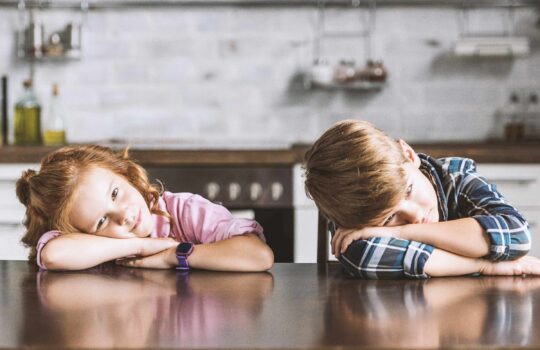
Parents often underestimate this transition, especially for kids. Children may seem fine on the surface, but they also lose the constant togetherness, the slower pace, and the predictability of shared days. Helping kids transition back to normal life after travel starts with understanding that they are not being dramatic. Their world just shrank and sped up overnight.
For adults, the loss is quieter. You miss who you were on the trip. More present. Less reactive. Less tired in that specific modern way. It is tempting to interpret that as “my real life is wrong.” Most of the time, it just means you need a better landing.
The emotional hangover nobody warns you about
Post travel blues are real, and they do not mean you are ungrateful or irresponsible. They mean your nervous system is recalibrating. Travel stimulates us. New sights, new rhythms, more shared attention. When that stimulation disappears, there is a dip.
This is where the urge to immediately book another trip comes in. It is not always about travel. It is about relief. Booking something gives you a future anchor. It restores that feeling of openness. But when it becomes a reflex, it can also turn travel into avoidance rather than enrichment.
Balancing routine and wanderlust after a trip often starts with sitting in that discomfort for a moment. Letting the sadness exist without fixing it immediately. Naming it out loud helps. With kids, with your partner, even with yourself. “I miss how life felt on the trip” is a lot healthier than pretending everything is fine while scrolling flights at midnight.
There is also a practical layer to the emotional hangover. Sleep debt. Disrupted routines. Lingering jet lag. Everyone is a bit fried. Returning to routine after travel with kids works better when you assume everyone needs a gentler week, not a productivity reset.
If you can, avoid stacking your return with major obligations. A buffer day at home before school or work is not indulgent. It is damage control. Groceries, early nights, simple meals. No heroics.
Returning to routine without killing the magic
The biggest mistake families make after travel is trying to snap back to normal too fast. Full schedules, packed evenings, no space to process what just happened. Routine is important, but it does not have to be reintroduced all at once.
Start with the basics. Sleep and food first. Bedtimes that are early but flexible. Meals that are familiar and boring in the best way. This is not the week to reinvent anything. It is the week to stabilize.
Next, rebuild the daily rhythm, not the exact schedule. Kids do better when the shape of the day feels familiar, even if the details change. Morning routine, school or childcare, downtime, evening wind down. You are not erasing the trip. You are creating continuity between who you were away and who you are at home.
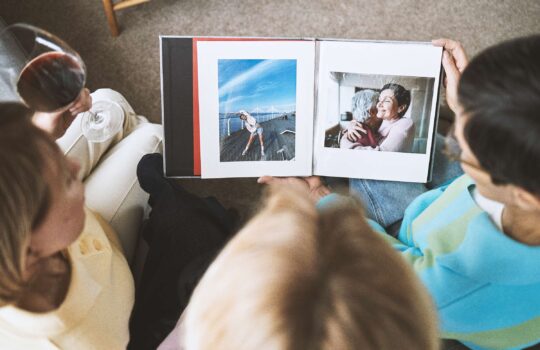
One thing that helps enormously is giving the trip a place in everyday life. Talk about it. Let kids repeat stories. Look at photos together. Not all at once, not as a big project, just in small doses. This is part of keeping the travel spirit alive at home, and it signals that the experience did not vanish the moment you unpacked.
For adults, the same applies. Instead of mentally filing the trip away as “over,” integrate it. What felt good that you can realistically keep? Slower mornings on weekends. More walking. Less screen time after dinner. These are not travel habits. They are lifestyle clues.
Living with wanderlust without booking another trip
Wanderlust does not disappear when you get home. If anything, it gets louder. The key is learning to live with it without letting it sabotage your daily life or finances.
One helpful reframe is this: travel is not the opposite of routine. It is a reminder of what kind of routine you want. When you treat trips as data rather than escapes, they become less destabilizing.
Ask yourself, and your kids, a few simple questions over the weeks after returning. What did we love most? What felt different? What do we miss? The answers are rarely “hotels” or “airplanes.” They are usually about time, attention, and how days were structured.
From there, pick one small, repeatable thing to bring home. Not ten. One. A weekly walk. A no screens dinner night. A monthly “travel dinner” where you cook something from the trip. These are not consolation prizes. They are how travel inspired family routines actually form.
This approach also helps with routines vs adventure parenting guilt. You are not choosing between stability and curiosity. You are weaving them together. Kids learn that adventure does not only exist elsewhere, and adults stop feeling like real life is something to endure between trips.
If the urge to book immediately is strong, give it a container. Create a “someday list” instead of a booking tab. Write down ideas. Destinations. Seasons. Rough timing. Planning without committing scratches the itch without blowing up your calendar or budget.
When normal life starts to feel normal again
Eventually, the edge softens. The routine feels less oppressive. The trip becomes a shared reference point instead of an ache. This is not failure. This is integration.
Balancing routine and wanderlust after family travel is not about staying in a permanent state of longing. It is about letting travel change you a little without demanding that everything else change too. The goal is not to live like you are always on vacation. The goal is to live in a way that makes vacations enriching instead of necessary for survival.
If you can come home, feel the sadness, rebuild your rhythm gently, and carry one or two good things forward, you are doing it right. The next trip will come. It does not need to be tomorrow.
Too Long? Here are the most common questions we’re asked
Why do families feel sad or unsettled after coming home from a trip?
Post travel blues are common because travel reduces cognitive load and increases togetherness. When you return home, responsibilities and routines return all at once. Both kids and adults need time to recalibrate emotionally and physically.
How can we return to routine after travel with kids without meltdowns?
Start with sleep and meals, then rebuild the daily rhythm gradually. Avoid overscheduling the first week back and allow space to talk about the trip. Familiar routines help kids feel safe again.
How do you help kids transition back to normal life after travel?
Name the transition, keep evenings calm, and give the trip a place in daily conversation. Let kids revisit memories through stories or photos so the experience feels integrated rather than abruptly ended.
How do parents cope with wanderlust after returning to a 9–5 life?
Instead of immediately booking another trip, focus on what the trip revealed about your needs. Introduce one small, sustainable change at home that reflects what you enjoyed while traveling.
Is it bad to want to book another trip right away?
The urge is normal, but it is often about avoiding the emotional comedown. Giving yourself time to integrate the experience helps ensure future trips feel intentional rather than reactive.
We use cookies to ensure that we give you the best experience on our website. If you continue to use this site we will assume that you are happy with it.