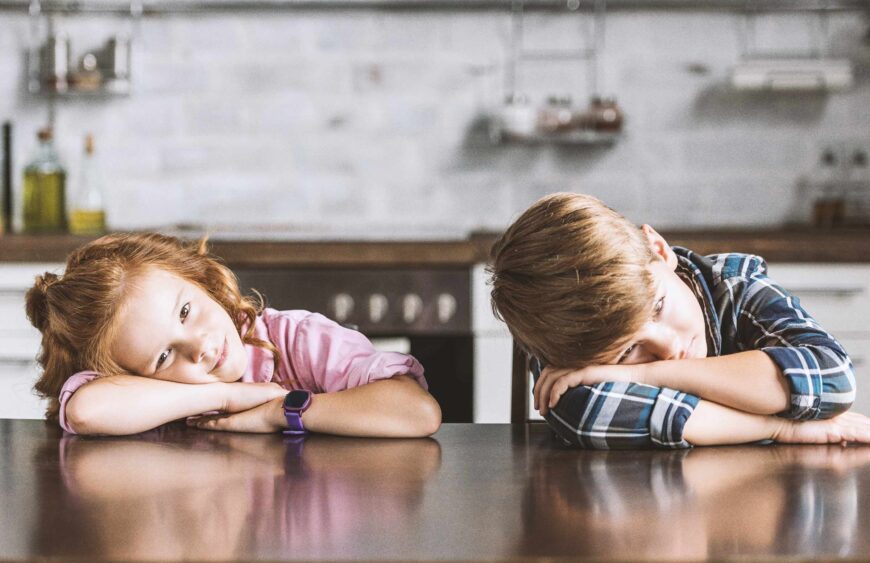
You made it back home. Now what?
Coming home can feel like the least relaxing part of the whole holiday. The bags hit the floor, everyone is hungry, and suddenly your kid is crying because you cut the toast wrong. Helping kids adjust to normal life after a trip is not about being stricter, it is about giving their brains and bodies time to re settle. A lot of parents notice the family travel comedown more at home than they did on the road, because the adrenaline is gone and the tired finally shows up. If you are dealing with post travel adjustment for kids, you are not imagining it, and you are not alone.
The weird part is that the trip can be great and the return can still be a mess. Kids can love travel and still struggle with kids re entry after travel, because change is change, even when it is fun. The goal is not to make the feelings disappear, it is to help your child land softly so routine does not feel like a punishment. This guide is practical, calm, and realistic, because nobody needs a lecture when they are standing in front of a laundry mountain. Helping kids adjust to normal life after a trip is absolutely doable, even if everyone is a little feral for a week.
What You'll Find in this Guide
The comedown is real
Bring routine back like a dimmer switch
Sleep and food fix more than lectures
School and daycare re entry
A calmer landing is possible
FAQ’s
The comedown is real, and it's not personal
The first thing to know is that kids emotional crash after travel is common. Your child has been running on novelty, attention, and flexible days, even if you were still doing naps and snacks like a hero. Then you come home and the world shrinks overnight, and that can feel abrupt and confusing. Some kids get clingy, some get angry, some get weepy, and some do a rotating schedule of all three. That mix is not a sign you failed, it is a sign their system is recalibrating.
Travel changes the sensory environment in a big way. Different light, different noise, different smells, different food textures, different beds, different rules in public places. Even kids who look chill are processing a lot, especially younger ones who cannot explain what feels off. When all that stimulation stops, the body can swing into a kind of letdown, which looks like meltdowns at home over tiny things. That is the family travel re entry pattern many parents talk about in parenting forums and group chats.
There is also the attention factor, and it is a sneaky one. On a trip, parents are usually more present, even if they are stressed, because you are together almost constantly. Back home, the errands return, the inbox returns, and suddenly your kid is not getting that same steady stream of eye contact and shared time. Some children respond to that by asking for connection in the loudest way possible. If it helps, think of it as a request, not a rebellion.
This is why helping children transition after vacation starts with your mindset. If you go in assuming your kid is being difficult on purpose, you will meet difficulty all day. If you go in assuming they are tired and readjusting, you will choose calmer tools. You can still hold boundaries, but you will hold them with less edge. That shift alone can reduce the intensity of the post vacation blues in kids.
One practical move is to narrate what is happening in simple language. You can say, “Coming home feels weird sometimes, your brain is getting used to normal again.” You are not diagnosing them, you are giving them a story they can handle. Many parents find that once the feeling has a name, it loses some power. Helping kids settle after a trip often begins with this small kind of emotional translation.
Bring routine back like a dimmer switch
A common mistake is trying to snap back to perfect routine on day one. You get home, you want order, and suddenly you are enforcing bedtime like you are running a tiny military academy. Kids feel that intensity and push back harder, especially if they are already dysregulated. Adjusting to routine after travel works better when it is steady and predictable, not sudden and strict. Think dimmer switch, not light switch.
Start with anchors, not a full schedule. Pick two or three non negotiables for the first few days, like wake up time, meals at roughly consistent times, and a calmer wind down before bed. Everything else can be looser while you rebuild. This reduces conflict because your child is not being asked to overhaul their entire day at once. It also keeps you from burning out while you are still unpacking and trying to remember how your own kitchen works.
The second anchor is familiarity. Familiar breakfast, familiar bedtime story, familiar walk to the same playground, familiar music in the car. These tiny repeats tell a kid, “Home is safe, you know the rules here.” Even older kids benefit from this, though they will pretend they do not. When parents ask how to help kids settle after a trip, this is usually the boring answer, and boring is good.
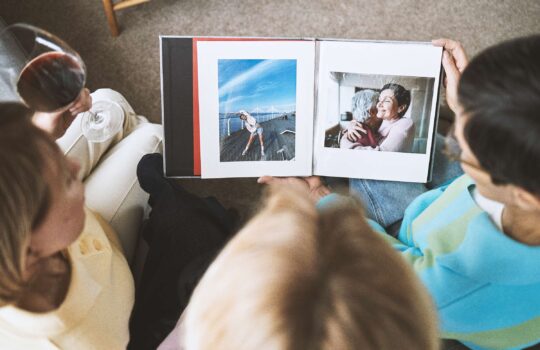
It also helps to involve kids in the re entry rituals. Let them choose a “first day home” activity that is simple, like picking photos for a small album, drawing a favorite moment, or putting souvenirs in one spot. You can even do a quick family debrief over dinner, where everyone shares one best moment and one hard moment. If you want a structured way to do this, the prompts in https://tots-in-tow.com/family-debrief-talking-about-the-trip can make it easier to keep the conversation short and real. This kind of reflection supports kids re entry after travel because it helps them process the experience instead of just losing it overnight.
Finally, leave room for rest without calling it laziness. Kids often need extra downtime after travel, even if they slept “fine.” Quiet play, books, and simple routines help their nervous system settle. If you treat rest as a normal part of returning, your child is less likely to fight you on everything else. That is how helping kids adjust to normal life after a trip becomes less dramatic.
Sleep and food fix more than lectures
If you want the fastest path out of chaos, look at sleep first. Travel can mess with bedtime, wake ups, and naps, even without time zones. Overtired kids are not reasonable, and no speech about gratitude or good behavior will fix that. If your child is melting down at 4 pm, it is often a sleep issue wearing a behavior costume. Helping kids adjust to normal life after a trip is so much easier once sleep stabilizes.
Start by creating a softer evening for a few nights. Earlier wind down, fewer screens late, lower stimulation after dinner, and a familiar bedtime sequence. You do not have to make bedtime perfect, you just want it consistent. If jet lag is part of the problem, the practical reset steps in https://tots-in-tow.com/dealing-with-jet-lag-in-kids can help you rebuild sleep without guessing. Many parents report that once sleep improves, the emotional crash after travel fades quickly.
Food is the second lever, and it matters more than we like to admit. Travel meals are often irregular, snack heavy, and different from home, which is fine, but the body notices. Blood sugar swings make moods worse, especially for toddlers and preschoolers. Bring back predictable snacks and simple meals for a few days, even if it feels repetitive. Familiar food is emotional regulation disguised as carbs.
Hydration and movement also matter, especially after long flights or long car rides. Kids can get constipated, dehydrated, and generally out of sorts, and they cannot always explain it. A big outdoor play session in daylight can help reset mood and sleep at the same time. A short walk, a playground visit, or even a slow stroller loop can take the edge off. If you want to reduce post travel adjustment for kids, think body first, feelings second, because the body drives a lot of the feelings.
Lastly, watch your own fuel. Parents come home exhausted and then try to run the household at full speed immediately. Your kid is not the only one experiencing a comedown, and your patience is part of the environment. Many parents find that when they give themselves one small recovery window, everyone does better. That might mean ordering dinner once, doing laundry tomorrow, and letting the suitcase sit there like a quiet threat for an extra day.
School and daycare make re entry extra spicy
The hardest part of kids re entry after travel is often the return to school or daycare expectations. On a trip, kids move more, talk more, snack more, and get more flexibility. Back at school, they are expected to sit, listen, follow rules, and manage social dynamics immediately. That is a big shift for a small brain. Even kids who love school can struggle with re entry after travel, because they are still catching up on sleep and routine.
If you can, build a buffer day. One calm day at home before school starts can make a noticeable difference. If you cannot, then lower the expectations for the first few days back. Pack extra snacks, build a calmer morning, and avoid scheduling anything intense after school. This is especially helpful for toddlers and younger kids who are already emotionally fragile after a trip.
Social re entry can be surprisingly hard too. Kids might miss the trip, miss the constant family time, or miss the friends they met along the way. They can also feel weird about returning to normal peer routines. Some children show this as irritability, some as clinginess, and some as sudden “I do not want to go” resistance. If your child is struggling with this piece, the strategies in https://tots-in-tow.com/when-kids-miss-friends-they-made-abroad can help you validate the feeling without making it bigger than it needs to be.
Talk to caregivers if it helps. You do not need a long explanation, just a heads up that your child may be more tired or emotional this week. Many teachers have seen this pattern a hundred times, and it is usually met with understanding. This is one of those moments where parenting is mostly logistics and timing, not deep emotional speeches. Helping children transition after vacation is often just good planning.
Give your child a small, concrete thing to look forward to at home. A favorite breakfast on Friday, a movie night, a playdate, a library visit, something that anchors the week. The point is to remind them that home also has good things, not just rules. That is how you reduce post vacation blues in kids without trying to talk them out of missing the trip. Missing something good is normal, and it passes faster when home feels warm again.
A calmer landing is possible
Helping kids adjust to normal life after a trip is not about forcing gratitude or pretending travel was effortless. It is about recognizing that transitions are hard, even when the destination was amazing. Your child’s emotional crash after travel is usually a mix of tiredness, sensory overload, routine disruption, and missing the closeness of the trip. When you address those basics, behavior improves without you needing to “win” every moment.
Start with rhythm, then rebuild structure. Get sleep back on track, bring back familiar food, and choose a few predictable anchors each day. Expect some wobble, because that is what re entry looks like in real family life. Many parents find that the hardest days are days two and three, not day one, because the adrenaline fully wears off. If you plan for that, you will take it less personally.
Use connection as a tool, not a reward. Extra cuddles, a calm check in, or ten minutes of undivided attention can reduce the need for attention seeking chaos later. This is not permissive parenting, it is strategic parenting. It also makes home feel like a safe landing pad, which is the whole point. Helping kids settle after a trip gets easier when home feels predictable and kind.
If you want one simple rule, here it is: do not try to fix everything at once. The goal is not a flawless Monday, the goal is a smoother week. When you treat re entry as a gradual process, your child follows that pace. And you get your own nervous system back too, which is honestly the real prize.
Too Long? Here are the most common questions we’re asked
Why do kids struggle after returning from vacation?
Kids often struggle after returning from vacation because their routines, sleep, and sensory input changed quickly. The emotional drop happens when stimulation ends suddenly. This is a normal adjustment phase rather than a sign something is wrong.
How long does it take for kids to adjust after a trip?
Most kids adjust within one to two weeks. Sleep usually stabilizes first, followed by mood and behavior. Younger children may take a bit longer, especially after long or stimulating trips
Should kids go back to school immediately after travel?
If possible, a buffer day helps. Even one calm day at home can ease the transition. When that is not possible, lowering expectations during the first days back can make a big difference.
What helps with post vacation blues in kids?
Consistent sleep, familiar food, and extra connection help most. Talking about the trip and naming emotions also supports emotional processing. Avoid overscheduling during the first week back.
When should parents be concerned about post travel behaviour?
If emotional distress lasts beyond two weeks or significantly disrupts daily life, it may be worth exploring further. Travel can highlight underlying stress or anxiety that needs extra support.