Steady energy for unsteady schedules
Big travel days are when meals go sideways: early wake-ups, airport queues, late check-ins, and kids who can’t tell hunger from excitement. “Healthy” on the road isn’t a perfect plate. It’s steady energy, simple choices you can repeat, and a few calm routines that make restaurants and street stalls easier later. Think of this as your travel-day food system: small anchors from your first grocery run, smart orders when you’re out, and tiny habits that keep everyone comfortable across time zones.
Why travel days need a different food plan
At home, meals anchor the day. On the road, movement anchors the day. Kids burn through fuel while sitting, because airports, new smells, and noise raise arousal. Hunger cues get weird; tantrums arrive “out of nowhere.” A good on-the-go plan lowers the stakes everywhere else. When you keep energy even, the picky-eater standoffs ease, street-food adventures feel fun instead of risky, and dinner doesn’t carry the whole day.
Basically we’re talking about logistics with compassion: a few predictable foods from your first grocery run, water always at the ready, and quick orders you can make in any bus terminal or train station. Back at the rental, one-pan dinners and calm breakfasts finish the job so the next travel day starts even stronger.
A simple rhythm that keeps energy steady
Use a 1–3–2 rhythm on heavy travel days:
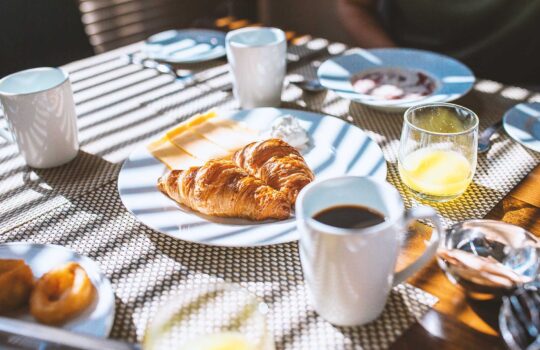
- 1 predictable breakfast at home or in the hotel: protein + complex carb + fruit. Think eggs and toast; yogurt with granola and banana; oatmeal with milk.
- 3 small “bridge” moments before dinner: mid-morning, mid-afternoon, and a late-day top-up if schedules slip.
- 2 hydration cues: at check-in and at boarding. Kids respond to rituals; make a show of it.
This rhythm keeps blood sugar from crashing just as you board or step into a taxi. It also mirrors your picky-eater approach: a safe base first, then tiny tastes of new things when everyone is calm.
Andwhen you get back to the apartment, your cooking-in-rentals routine, one pan, fifteen minutes, turns this rhythm into dinner without draining tomorrow’s patience.
What to pack in the day bag (without hauling a pantry)
A small pouch is plenty. Think anchors, not snacks-as-distraction.
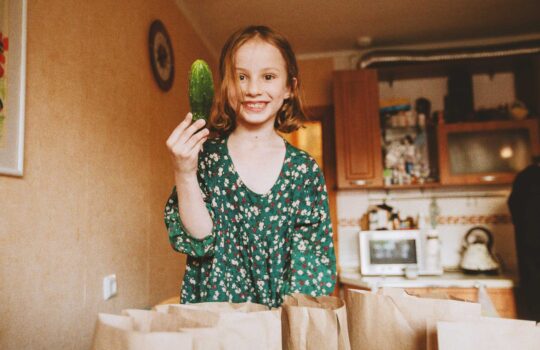
- Two “bridge” items per child for long days: a simple bar, crackers or rolls, a portion of nuts or seeds if age-appropriate, a piece of peelable fruit.
- One steady protein that travels: cheese stick, yogurt pouch, roasted chickpeas, or a small peanut/seed butter pack if your destination allows it.
- Hydration plan: a bottle for each person and a quiet cue to sip at transitions (security → gate; gate → seat).
- Tiny calm kit: a napkin, a zip bag for leftovers or wrappers, and hand wipes.
Pack what your kids actually eat when they’re tired, not what you wish they’d love. The goal is to keep moods even so lunch and dinner can do the variety work. This pouch is the same top-layer logic you use for airport meds—everything reachable in one move.
Crosspost, woven in: Your first-grocery-run checklist makes this easy: bread or rolls, yogurt, fruit, and one local “fun” item so the day still tastes like the place you’re in.
Airport and station choices that actually help
You don’t need a health-food kiosk to eat well. You need hot, simple, and steady.
- Breakfast windows: eggs on toast, plain porridge with fruit, yogurt bowls, or a cheese-and-bread combo.
- Lunch/dinner windows: soup, rice bowls, grilled skewers, plain pasta with tomato or butter, baked potatoes, simple sandwiches.
- Sides that do real work: fruit cups, chopped veggies, hard-boiled eggs, hummus with bread.
Scan menus for cooked-to-order items and have a steady turnover. The same clues you use at street stalls. If spice is a worry, ask for mild and keep the sauce on the side; kids can dab a corner to test. If a line is long but moving, that’s a good sign; warm trays sitting untouched are not.
Ordering on the move: cafés, markets, and quick-service
Most places can produce a child-friendly plate if you order structure, not novelty:
- One safe base (rice, bread, pasta, potatoes).
- One mild protein (eggs, chicken, beans, cheese).
- One taste of the new thing on the edge of the plate.
That’s it. Build the plate you want from parts they already make rather than hunting for a kids’ menu. Ask for sauce on the side and an extra small plate so you can portion out a calm serving before the big dish lands. If you’re at a market, let kids watch a skewer cook from raw to done; curiosity rises with heat and sight.
Back at the rental, echo the same flavor in a one-pan dinner. Integrate things like pesto on adults’ bowls, a make a plain version for kids. The repeated flavour in a safe structure is how cautious eaters take the leap.
Treats, balance, and avoiding the sugar crash
You don’t have to police every pastry. Travel runs on joy. The trick is timing and pairing:
- Pair sweet treats with protein or fat (a pastry plus yogurt, gelato after a small bowl of pasta).
- Put treats after a base, not before.
- Use the “one per day and enjoy it” mindset so kids stop negotiating and start savoring.
If you aim for a few quiet wins, fruit once a day, a veggie at dinner most nights, water within reach and the the week will look balanced even if any single plate doesn’t.
Special diets on the road (without overthinking it)
Vegetarian, dairy-light, gluten-sensitive. Healthy on the go still follows the same pattern: base + protein + produce + water.
- Vegetarian: beans, lentils, eggs, cheese, yogurt; add rice, breads, potatoes, and market veg.
- Dairy-light: lean on eggs, beans, chicken, tofu where available; choose fruit and veg for sides.
- Gluten-sensitive: rice bowls, potatoes, polenta, corn tortillas, omelets, grilled meats, and salads you can see assembled.
Order with calm, simple words. If there’s any hesitation, choose the next stall. Kitchens that answer clearly are the best kitchens for families.
Food safety and tummy calm while moving
Healthy on the go includes not getting sidelined by preventable tummy trouble.
- Hot and fresh beats tepid and pre-plated.
- Hand hygiene before eating (wipes or a quick sink stop).
- Ice and dairy only when you trust the source; otherwise choose sealed or hot drinks.
- Hydration first when anyone feels off; small sips often.
If a bug sneaks through, switch to warm, bland foods and use the ORS packets you keep in the medical kit. A measured response beats panicked Googling. When everyone feels steady, slide back to your usual rhythm. Safe base first, new and strange tastes later.
Fuel the Day, Save the Mood
Healthy eating on the go isn’t about perfection. It’s about predictable anchors, hot simple orders, and water always within reach. Build a day around one calm breakfast, a couple of bridge snacks, and a steady dinner. The one-pan kind back at the rental. Stick with this method and you’ll see the fights fade. Only then you can have the fun food. The markets, the stalls, the dessert you actually wanted. All this fits right in because kids arrive steady instead of starving.
Too Long? Here are the most common questions we’re asked.
Two bridge snacks per child and water you’ll actually drink. Energy stays even, and dinner stops carrying the whole day.
Order structure: a hot base, a mild protein, and fruit or veg if available. Soup, rice bowls, eggs on toast, and plain pasta beat a tray of beige snacks.
Keep breakfast calm, give a mid-afternoon bridge snack, and sip water often so kids arrive curious, not ravenous.
Serve the bridge snack you saved and do a simple rental dinner later. One rough window doesn’t predict the week.
Joy matters. Pair sweets with protein, time them after a base, and keep water visible. The day, not the dessert, sets the mood.