The most meaningful family travel moments often start not with a plan, but with a plate
Every parent dreams of a trip where meals just happen without any issues. No meltdowns, no frantic searches for something edible, no holiday hours or no surprise “closed kitchen” signs when everyone’s starving. The truth is, eating on the move can be the most stressful part of family travel. You can plan the perfect itinerary, pack the right clothes, and still find yourself at 6 p.m. with a hungry toddler, a skeptical preteen, one packet of crackers left, and a mouth full of profanities.
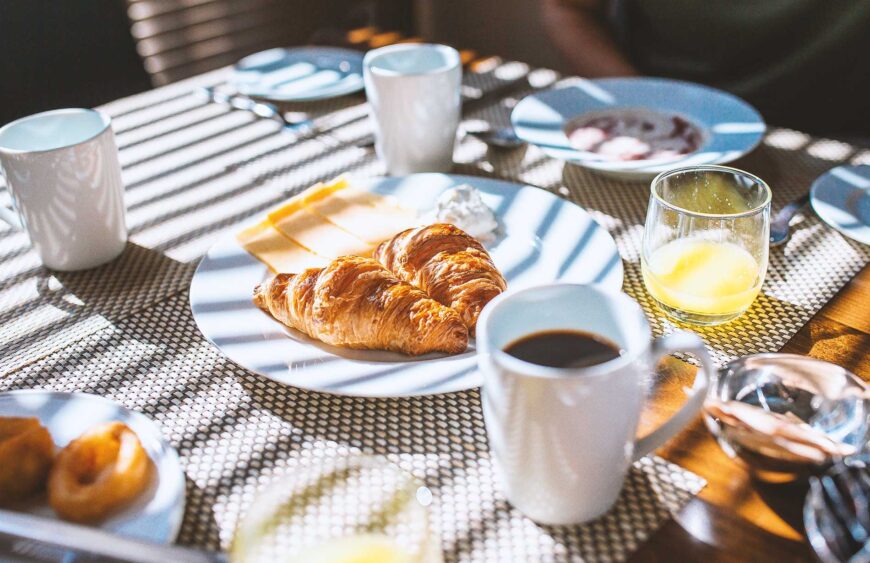
And yet, food is what families remember most. The croissant at sunrise in Paris. The messy street tacos in Mexico. The dinner that went off the rails but turned into a funny story. Food is more than fuel. It’s how kids experience a destination. Through taste, texture, and shared laughter.
This guide pulls together everything parents need to make travel meals smoother, safer, and more meaningful. Whether you’re managing allergies, picky eaters, or just trying to keep everyone fed without losing your mind, this is your roadmap to eating well on the move.
What you’ll find in this guide:
The sane side of preparation
From mealtimes to moments
Food as connection
Staying safe
Finding your family’s rhythm
FAQ’s
The sanity-saving side of preparation
Every family trip starts with optimism: we’ll find something when we get there. And you know what? Sometimes you do. But sometimes “something” ends up being a single pack of chips and a juice box at an airport kiosk that costs more than your hotel breakfast. Preparation isn’t about taking control of the trip; it’s about being kind to your future self.
Packing familiar snacks gives you a safety net when travel days stretch longer than planned. We’re not saying you have to pack half the pantry, but just having what you know that works makes a massive difference. In our guide to Snacks Worth Packing from Home, we covered why those little zip bags of fruit chips or crackers matter more than you’d think: they buy you peace and a few minutes of silence.
Planning meals ahead doesn’t kill spontaneity, it actually protects it. When you already have a sense of what and where you’ll eat, you’re free to enjoy the day instead of making hangry decisions at 8 p.m. Our Meal Planning for Families on the Road post goes into detail on how to keep structure flexible: think patterns, not plans. Breakfast wherever you’re staying. Lunch that fits into the day’s adventure. Dinner that you’ve scouted or reserved ahead of time.
When you know the basics are covered, you can actually focus on what you came for. Being present.
Turning mealtimes into moments
At home, food can feel like a daily power struggle. On the road, it can feel like a test of your patience. But it doesn’t have to be either. Travel is actually one of the best opportunities to reshape how kids see food. Not as a negotiation, but as discovery.
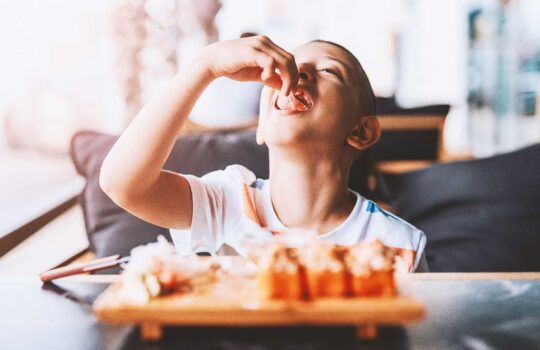
In our article Introducing Kids to New Flavors While Traveling, we talk about bridging the gap between comfort and curiosity. Instead of expecting children to leap from nuggets to curry in one meal, start small. Let them pick something local that looks familiar. Make trying a single bite part of the fun rather than a rule.
Kids rarely respond well to pressure, but they’re remarkably open when they feel in control. The same child who refuses new vegetables at home might happily sample dumplings in a noisy market, simply because it feels like an adventure. When meals become about participation rather than persuasion, everyone eats better.
We’re not saying you have to turn your child into a pretentious foodie. But to show them that trying something new, even just once, can be exciting, funny, and worth remembering.
Food as connection, not just calories
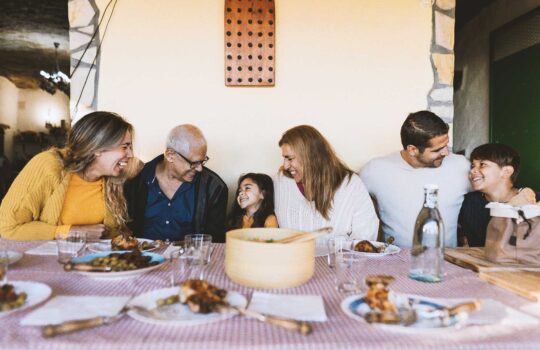
Families often treat meals as refueling stops between “real” attractions. But food is the culture. It’s how people celebrate, comfort, and connect. When you slow down long enough to notice those rituals, your kids learn something deeper than any museum could teach. It’s culture you experience with many of your senses.
In Cultural Food Experiences Families Can Try, we explored how countries use food to express identity. In Japan, children learn gratitude through the quiet moment of saying itadakimasu before eating. In France and Italy, the long family lunch teaches patience and conversation. In Morocco, bread and mint tea are symbols of welcome. Food tells a story and when your kids sit at that table, they become part of it.
Festivals bring this to life. From Italy’s village sagra festivals, where tables stretch across piazzas, to the family-friendly days of Germany’s Oktoberfest, food becomes community. In Taiwan’s glowing night markets, in the paella festivals of Spain, in a Thanksgiving dinner abroad. Children see that meals can unite hundreds of strangers. They begin to understand that eating together isn’t just about hunger. It’s about belonging.
Staying safe without losing the fun
For families managing allergies or dietary restrictions, food abroad can be both thrilling and terrifying. The fear of hidden ingredients, cross-contact, or lost translation can hang over every meal. But safety and exploration don’t have to cancel each other out.
The key is preparation. In Dealing with Food Allergies Abroad, we broke down what experienced parents do differently: research local labeling laws before traveling, carry translation cards or apps like Allergy Translate and Equal Eats, and always have a backup stash of safe food for emergencies. When you know your systems are in place, you can relax enough to enjoy new experiences without the anxiety overshadowing the moment.
Even families without allergies benefit from the same awareness. Understanding what’s considered safe street food, or knowing how to handle food hygiene in unfamiliar places, helps avoid the dreaded classic “traveler’s stomach” that can derail a day or two. Our Street Food with Kids: How to Do It Safely article covers exactly how to choose stalls and spots the locals trust.
Safety is never about being fearful, it’s about freedom. Once you’ve done your prep, you can stop worrying and start experiencing.
Finding your family’s rhythm on the road
Every family eventually discovers its own rhythm. You know, the pattern that makes eating on the move sustainable. For some, it’s eating breakfast in, lunch out, and cooking simple dinners in rentals. For others, it’s grazing all day and sitting down once for something special. The trick is to find what matches your energy and your kids’ moods.
Food rhythm creates comfort. It gives travel structure in a world where everything else is unpredictable. When kids know that breakfast happens in one place, snacks are always within reach, and dinner won’t be a mystery, the day feels steadier and more reliable. Parents, meanwhile, can actually focus on the view instead of the next meal crisis.
As we discussed in Meal Planning for Families on the Road, this rhythm doesn’t need rules, it just needs awareness. You’re not planning to restrict spontaneity. You’re creating space for it by making the basics predictable.
Food as the heartbeat of family travel
The more you travel with kids, the more you realize that food is the thread that stitches each trip together. It’s the laughter echoing through a shared meal, the comfort of a familiar snack in a foreign place, the look on your child’s face the first time they taste something truly new. AND enjoy it. Food isn’t the obstacle, it’s the story.
Across all the chaos and planning, across the bites they love and the ones they spit out, food teaches kids something essential: that every place has its own rhythm, and every table tells a story worth listening to.
So pack your snacks. Sketch your meals. But leave room for magic and experimentation. The most meaningful family travel moments often start not with a plan, but with a plate.
Too Long? Here are the most common questions we’re asked.
Create a flexible rhythm. Know roughly when and how you’ll eat each day. Preparation reduces pressure and leaves room for spontaneous moments.
Choose dry, mess-free options your kids already love. Our Snacks Worth Packing from Home guide covers TSA-safe, travel-proof ideas.
Start small, let them choose, and treat new flavors like discoveries, not chores. See Introducing Kids to New Flavours While Traveling for detailed approaches.
Research your destination’s labeling laws, carry translation cards, and pack backup food. More advice in Dealing with Food Allergies Abroad.
Yes. Festivals and communal meals are some of the most enriching experiences for children. Explore ideas in Cultural Food Experiences Families Can Try.