Freedom on two wheels (and the small panic that comes with it)
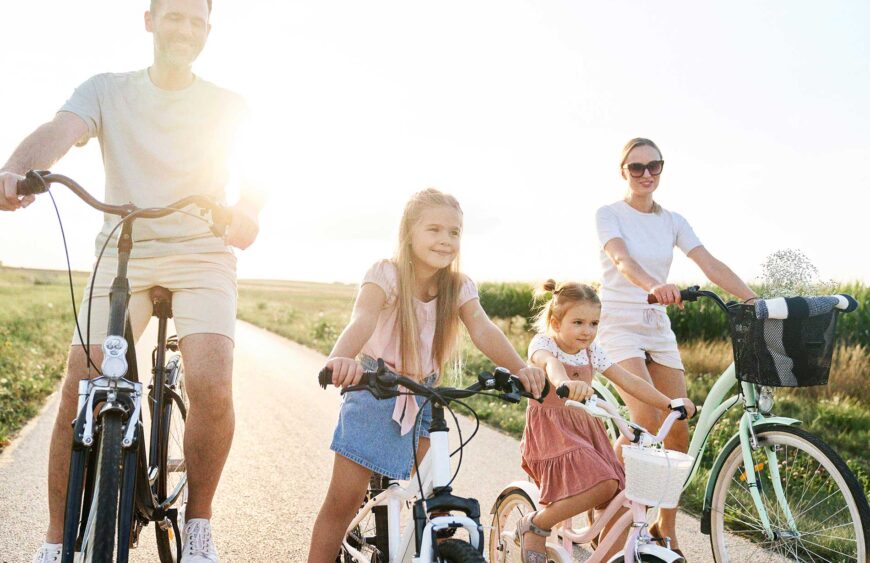
There’s a unique moment that hits every traveling parent. Somewhere between the gelato shop and the rental counter, when you decide that bikes or scooters might just be the perfect way to see a city. It’s romantic, efficient, and a little chaotic. You picture your family gliding along a waterfront, the kids laughing, the breeze perfect. Then reality nudges in: helmets, traffic, balance, and the sudden realization that you’re about to hand your child a moving vehicle. Doubt kicks in.
Renting bikes or scooters with kids can be magical. It can also be mildly terrifying. The trick is knowing when it’s the right move, how to do it safely, and when to admit that today might be better on foot.
Why wheels make family travel better
Once you’ve done it right, exploring a city by bike or scooter can feel like unlocking a secret level of travel. It’s freedom from public transport timetables and the endless “are we there yet?” chorus. Kids who usually drag their feet through old towns suddenly come alive when the day involves motion.
Bikes turn sightseeing into play. Riding through parks, along river paths, or past waterfronts keeps everyone engaged. Scooters add that instant-gratification thrill. Zipping between stops without waiting for a bus. And for parents, it’s a relief to move at a pace that fits your children but still cover real ground.
In some cities, wheels are simply how people live. In Amsterdam or Copenhagen, families ride everywhere. To school, to work, to dinner, and the infrastructure reflects it. Even in less bike-centric cities, dedicated paths, seaside trails, and public scooter networks are making exploration easier than ever.
When you know the basics are covered, you can actually focus on what you came for. Being present.
Choosing the right ride for your child
The biggest mistake parents make is assuming “a kids’ bike” means “a safe bike.” It doesn’t. Rental fleets vary wildly, and sizing is crucial. Before you pay, check seat height, brake reach, and handlebar width. Your child should be able to put both feet flat on the ground while seated. The confidence starts there.
For toddlers, front-mounted seats (the ones that attach between your arms) are a favorite among parents because they keep kids close and involved. Slightly older children do well in rear-mounted seats, trailers, or tag-along bikes where they can pedal without full control. Cargo bikes, like the Dutch bakfiets, are an experience in themselves. Some fit two kids side by side with seatbelts, and they are awesome to say the least. If you want to give a memorable experience, there’s nothing more memorable than riding one of these. The novelty of doing something you can’t get back home will always be a core memory maker.
Scooters require more caution. For manual kick scooters, look for wide decks and reliable brakes. For e-scooters, note that most countries have a minimum riding age (usually 14–16). Even if you’re tempted to share one, local law often forbids carrying passengers.
Helmets, always. Even if locals don’t wear them, even if it feels over-cautious. It’s one of those small inconveniences that can save an entire holiday.
Safety and local laws (the unglamorous but essential part)
Cycling rules differ more than you’d expect between countries, and sometimes even between neighborhoods. In Amsterdam, kids can ride alongside parents confidently on protected lanes. In Naples, you’ll want a sixth sense and good reflexes. Before you rent, check:
- Are kids required to wear helmets?
- Can bikes use sidewalks, or are there separate lanes?
- Are trailers or cargo bikes allowed on public roads?
- What’s the minimum age for e-scooter riders?
If a city looks chaotic, assume riding will be too. We’re looking at you Southern Italy. Stick to designated cycle routes, often marked on local tourism maps. Rental shops are usually great sources of local knowledge. They’ll tell you which parks, waterfronts, or bridges are safe for families.
And remember, what looks calm in the morning might turn hectic by noon. Plan rides for early hours or late-afternoons when roads are quieter and the light is soft enough for those “family on bikes” photos you’ll actually want to keep.
Finding kid-friendly routes
Cities can be full of little pockets of bikeable joy once you know where to look. Even the busiest capitals have peaceful riversides, canals, and greenways that feel tailor-made for families.
Riverside trails, old rail lines, or park-to-park paths are ideal because they combine scenery, space, and natural breaks for snacks. When planning, look for routes with shade, rest stops, and minimal car traffic.
In Amsterdam, Vondelpark is the go-to for first-time riders. It’s got wide lanes, no cars, and cafés that double as pit stops. In Paris, the new Voie Georges-Pompidou along the Seine is a car-free stretch that connects to playgrounds and ice cream stands. Copenhagen’s Green Cycle Routes weave through parks and quiet neighborhoods, while Barcelona’s seaside promenade is an effortless ride from Barceloneta Beach to Port Olímpic.
Even smaller destinations offer incredible paths: the Danube Cycle Path in Austria, Lake Bled’s circular trail in Slovenia, and La Loire à Vélo in France are perfect for older kids ready for a challenge. Don’t just ride around town. Ride around happily.
The best cities for biking and scootering with kids
Every family has a different idea of “ideal.” Some want calm parks, others want city buzz. These destinations blend safety, scenery, and kid appeal better than anywhere else:
Amsterdam, Netherlands:
Best for Families New to Biking Abroad
Cycling is second nature here. Separate lanes, traffic lights just for bikes, and child seats everywhere make it the most family-friendly cycling city in the world. Rental shops even offer cargo bikes with rain covers for two kids and luggage.
Copenhagen, Denmark:
Safest and Smoothest Ride
Over 60% of locals commute by bike, and it shows. Dedicated lanes span the city, drivers are courteous, and kids on bikes are part of everyday life. The Harbour Circle Route offers flat, scenic riding around canals and bridges.
Paris, France:
Most Improved and Most Beautiful Views
The city has transformed in the past five years, adding hundreds of kilometers of protected lanes. Ride along the Seine, past landmarks like Notre Dame, or through car-free zones like the Marais. For kids, the Sunday “Journée sans voiture” events — car-free afternoons — are a dream.
Barcelona, Spain:
Best for Beachside Scootering
With its wide seaside promenades and mild weather, Barcelona is tailor-made for scooters. The beach path from Barceloneta to Port Olímpic is flat, scenic, and full of snack stops.
Vienna, Austria:
Easiest Mix of Parks and Culture
Vienna’s cycling paths connect major attractions with playgrounds and green spaces. The Donauinsel Island route — a 21-kilometer car-free trail — lets kids ride freely while parents enjoy riverside cafés.
Tokyo, Japan:
Cleanest and Most Orderly Urban Ride
Tokyo might not be known for cycling, but it’s incredibly organized. Many neighborhoods have separated lanes, and cycling in parks like Yoyogi or along the Meguro River is both peaceful and fascinating.
Montreal, Canada:
Best in North America
The city’s Bixi system has child seats available, and its network of bike lanes is growing yearly. The Lachine Canal Path is perfect for families — smooth, flat, and scenic.
Christchurch, New Zealand:
Best for Wide Open Spaces
Known as the Garden City, Christchurch offers gentle park trails and riverside paths that are great for beginners. The Avon River Trail winds through the city with plenty of spots to rest or picnic.
The “Best of the Best” Awards ?
Most Scenic Family Ride: Lake Bled, Slovenia
quiet, breathtaking, and easy to circle in under an hour.
Most Historical Route: Paris, France
where every pedal stroke passes a story.
Most Stress-Free Ride: Copenhagen, Denmark
you’ll barely touch your brakes.
Most Playful Route: Barcelona’s beach promenade
perfect for scooters and snack breaks.
Best for Beginners: Amsterdam
where biking is as normal as breathing.
Best for Multi-Generational Families: Vienna
easy trails, coffee stops, and playgrounds for all ages.
When to skip the rental
Even the best travel plans need a gut check. Some days, the bikes stay parked and that’s the smart call. If traffic feels wild, sidewalks are jammed, or the family’s running on fumes, forcing it won’t make memories, it’ll make arguments.
Certain cities are built for wheels; others are better admired on foot. Rome and Naples are chaotic at the best of times, with narrow lanes and drivers who treat signals as suggestions. Lisbon and San Francisco are complete heartbreakers. Beautiful, but all hills and cobblestones. Istanbul looks inviting from the Bosphorus but can be intense for small riders, and Bangkok’s traffic is simply not the place to test reflexes.
Sometimes it’s just the day. Heatwaves, rainstorms, or grumpy moods can turn an easy ride into a family mutiny. When that happens, trade the handlebars for gelato and take the scenic walk instead. The bikes will still be there tomorrow, and the view will be just as good. Probably better without the stress.
The joy of the slow ride
When it all clicks: the right route, the right weather, the right attitude, riding as a family feels effortless. It’s not about distance or speed, but about those little moments in motion. The laughter echoing through a park, the shared pride of mastering a new skill, the discovery that a city can feel smaller when you’re rolling through it together.
Traveling by bike or scooter reminds families that freedom doesn’t have to come with stress it just takes the right plan, the right path, and a willingness to wobble a little along the way.
Too Long? Here are the most common questions we’re asked.
Amsterdam, Copenhagen, and Vienna are consistently rated the most family-friendly for cyclists, with separated lanes and calm traffic.
Around 10 and up, depending on their confidence and the city’s infrastructure. Younger children should ride in seats or trailers.
Yes, in low-traffic areas or parks. Avoid shared electric scooters unless local laws allow minors and speed limits can be adjusted.
Ask rental shops for family-friendly paths or check Google Maps’ cycling layer for protected lanes and parks.
Most European cities recommend helmets and provide child seats for rent. Always request both before you ride.