When nap time collides with adventure
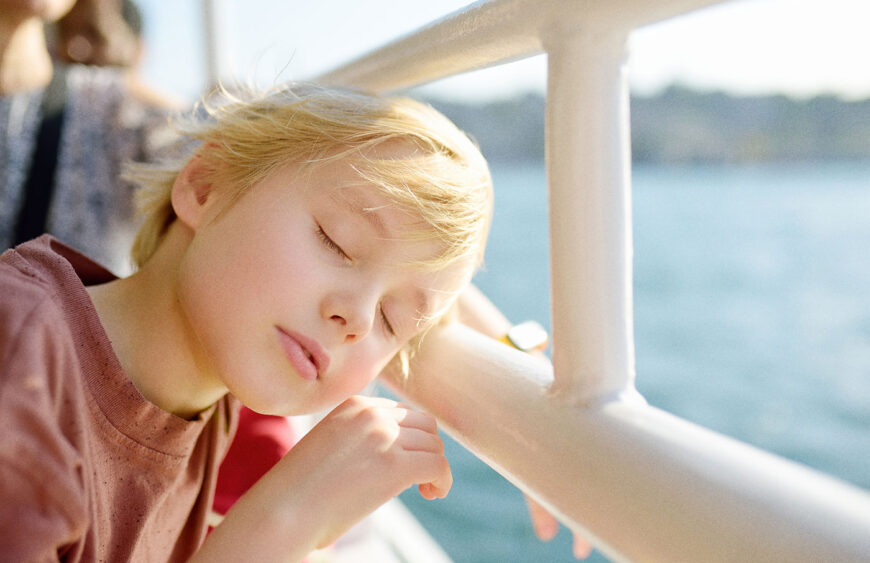
Every parent who’s traveled with kids knows the moment. You’re halfway through a museum tour, or standing in line for gelato, and you glance at your toddler’s face: red cheeks, glassy eyes, that slow-motion blink that signals an oncoming meltdown. At home, you’d whisk them into their bed, close the curtains, and know exactly how long they’ll sleep. On the road? You’re miles from the hotel, the stroller squeaks with every step, and you’re silently praying they’ll just doze off for twenty blessed minutes.
Managing naps while traveling is one of the hardest balancing acts of family trips. Kids still need rest, but travel rarely provides the calm, predictable environment they’re used to. The key is not perfection but flexibility and finding ways to meet their sleep needs without sacrificing the trip itself.
What you’ll find in this guide:
Why naps are harder on the road
How much nap time kids need
Strategies for on-the-go naps
Creating “quiet time”
Balancing naps with sightseeing
Tools that make travel naps easier
Flexibility over perfection
FAQs
Why naps are harder on the road
At home, nap time is predictable. There’s a crib or bed, blackout curtains, white noise, and a parent who knows the exact moment their child starts to fade. Travel tears all of that up. Instead of a quiet bedroom, naps have to compete with honking taxis, unfamiliar smells, and the excitement of being somewhere new. Children often resist sleep more strongly in those situations, not because they don’t need it, but because their brains are overstimulated.
There’s also the constant parental tension between rest and experience. Do you head back to the hotel at noon and lose half the day, or push through and risk a public meltdown? Neither feels like a perfect choice. That’s why parents quickly learn that naps on the road aren’t about sticking to the clock but about adapting to the moment.
How much nap time kids really need by age
Travel doesn’t erase a child’s biological need for rest. Babies, toddlers, and even preschoolers depend on daytime sleep to regulate mood, growth, and development. Babies under one often take two to three naps a day, sometimes more. Toddlers usually need one or two solid stretches, and preschoolers may still benefit from a single nap or at least some quiet downtime.
What changes during travel isn’t the need it’s the timing and the setting. Instead of a perfectly timed nap at home, kids may sleep shorter, later, or in motion. Parents often discover that while naps look different on the road, children still function better with some kind of rest built in. A missed nap doesn’t ruin the trip, but skipping rest day after day almost always leads to overtired, cranky kids.
Strategies for on-the-go naps
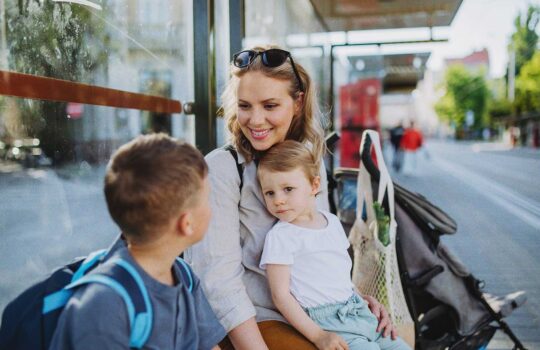
One of the most useful travel skills parents develop is making naps happen anywhere. Stroller naps are often the most reliable option for toddlers, especially in cities where you’re walking a lot. Reclining seats, sunshades, and even stroller covers can create a cocoon that mimics home just enough. For babies, carriers are invaluable. Being close to a parent, with the rhythm of walking and a steady heartbeat, helps them settle even in noisy environments.
Cars and trains double as mobile nap rooms too. Many families plan longer drives or train journeys during nap hours so kids naturally doze off in motion. On planes, naps are harder to predict, but a familiar blanket and some patience can go a long way.
Parents in travel forums often share that naps on the go may be shorter or lighter than at home. That’s okay. Even a 30-minute stroller snooze can reset a toddler’s mood enough to get through the afternoon. The trick is not to measure the nap against the “perfect” one at home but to value the rest they did get. Naps on the go will very rarely live up to naps at home. So don’t be discouraged. Just roll with it.
Creating “quiet time” when naps fail
Speaking of rolling with it. There will be days when naps just don’t happen. Maybe the excitement is too much, or maybe logistics simply don’t allow it. That’s when “quiet time” becomes your best tool. Even if kids don’t sleep, giving them a chance to rest their bodies and minds makes a big difference.
Quiet time can mean returning to the hotel room, dimming the lights, and letting kids watch a calm show, listen to an audiobook, or play with a puzzle. For younger ones, lying in a stroller with a blanket and a toy can provide enough downtime to recharge. The goal isn’t sleep at all costs, it’s rest in whatever form you can get it. Parents who embrace quiet time instead of battling for naps often find their trips run more smoothly, with fewer meltdowns.
Balancing naps with sightseeing and activities
The hardest part of nap management is balancing it against the temptation to see and do everything. Parents often feel torn between giving kids the sleep they need and making the most of the trip. The truth is, compromise is the only way forward.
One strategy is to plan one “big outing” per day and schedule naps around it. If you’re visiting a museum in the morning, aim for a stroller nap in the afternoon. If you have a tour in the afternoon, build in hotel rest in the morning. Another approach is alternating: one day you protect naps more strictly, the next you loosen up and accept a later bedtime.
Sometimes splitting up helps. One parent can take kids back for a nap while the other continues exploring. This isn’t always possible, but when it is, it keeps everyone happier. At the end of the day, naps are not wasted time, they’re what make the rest of the day possible.
Tools that make travel naps easier
A few lightweight items can make naps more successful. A travel stroller that reclines turns city walks into nap opportunities. Clip-on blackout shades help block light and distractions. White noise apps mask the unpredictable sounds of new places. Carriers remain the most reliable nap aid for babies, letting them sleep while parents keep moving.
Familiar sleep props matter too. A favorite blanket, sleep sack, or stuffed animal brings a sense of home. Even the smell of a well-worn comfort item can settle kids in a strange environment. None of these tools guarantee success, but they make it more likely that naps will happen when you need them most.
Flexibility over perfection
Naps on the road will never be as neat and predictable as naps at home. They’ll be shorter, later, or skipped entirely some days. That’s part of the reality of family travel. The goal isn’t to keep kids on a perfect schedule but to balance rest with adventure.
If your child naps in the stroller while you explore a new city, that’s a win. If they skip a nap but make it to bedtime without collapsing, that’s also a win. Travel is messy, and sleep will be too. But with flexibility, patience, and a willingness to let go of perfection, families can find a rhythm that keeps everyone rested enough to enjoy the journey.
Too Long? Here are the most common questions we’re asked.
Aim for balance. Protect naps when you can, but don’t let the schedule control the entire trip. Kids are more adaptable than we think.
Yes, with supervision. Many babies nap well in motion, and carriers provide comfort and security. Always ensure proper positioning for safety.
Offer quiet time instead. Even if they don’t sleep, rest and downtime help regulate mood and energy.
Pick one main activity per day and schedule naps around it. If naps don’t happen, be ready to adjust or cut the day short.
Absolutely. Quiet activities like reading, drawing, or listening to stories give their bodies and minds a break, making evenings smoother.