




Berliner Straße, 49, 25451
Quickborn, Deutschland,



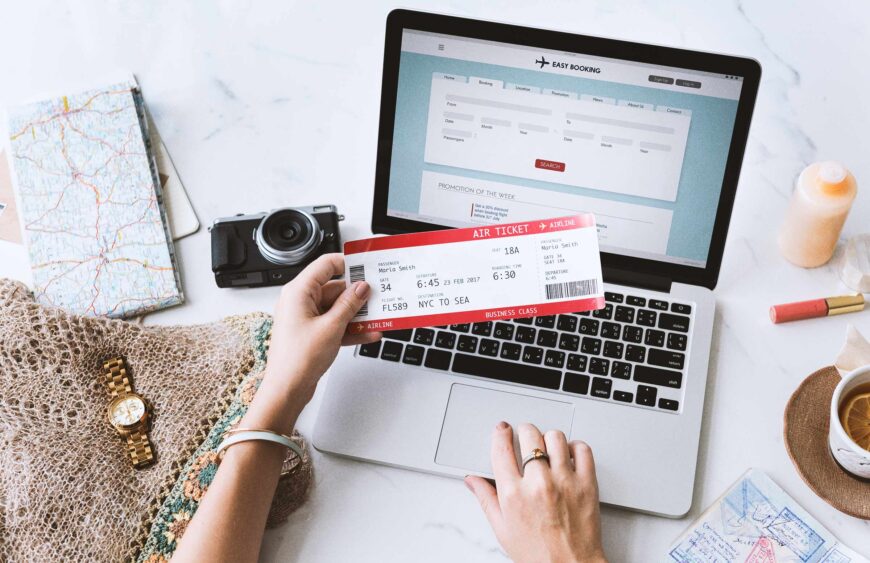
If you have ever planned a family trip, you know how quietly it takes over your life. What starts as excitement turns into research during nap time, comparisons after bedtime, and a running mental checklist that never quite switches off. Even small decisions begin to feel heavy when you know they will ripple through tired kids, disrupted routines, and long travel days.
Parents often talk about planning as a technical task, something that can be solved with enough spreadsheets and browser tabs. In reality, planning is emotional work. You are trying to protect the experience before it even happens. You are anticipating where things might break and hoping you have chosen well enough that they do not.
That is why the question of travel agents versus DIY planning feels loaded. It is not really about logistics. It is about how much responsibility you want to carry, how much uncertainty you can tolerate, and how much energy you have left once everyday parenting is accounted for.
Some trips reward careful, hands on planning. Others quietly punish it. Understanding the difference can change how a trip feels long before you ever pack a bag.
Planning a family trip yourself offers something many parents crave: certainty. You know exactly where you are staying because you chose it. You understand the layout of the neighborhood, the distance to food, the backup options if a day goes off track. That familiarity lowers anxiety before the trip even begins.
DIY planning also allows families to build trips that match their real rhythms. Early bedtimes, slow mornings, supermarket dinners, and unstructured afternoons fit more easily into self planned itineraries. Parents can prioritise comfort and pacing without worrying whether they are deviating from a set plan. There is also an emotional payoff in knowing you can handle it. Successfully planning a trip creates confidence that carries into future travel. Parents learn what works for their kids, which shortcuts matter, and which details can safely be ignored.
For simpler trips, that confidence compounds. One location, minimal transfers, and flexible days allow parents to adjust without stress. In those situations, DIY planning feels supportive rather than burdensome. When the structure of the trip leaves room to adapt, planning everything yourself can make the experience feel personal and grounded.
The vulnerability of DIY planning rarely shows up during research. It appears when the trip is already in motion and circumstances shift. A delayed flight changes arrival time. A missed connection affects sleep. An accommodation looks fine online but does not function well with kids in real life.
Family travel has less slack built into it. Children need food, rest, and predictability in ways adults can often push through. When plans rely on precise timing, even small disruptions can cascade into larger problems. DIY itineraries also concentrate problem solving on parents. When something breaks, parents become negotiators, translators, and logistics managers while still managing emotions and behavior. That cognitive load can be exhausting, especially in unfamiliar environments.
This fragility does not mean parents planned poorly. It reflects the reality that complex trips demand more resilience than simple ones. The more connections and dependencies a trip has, the harder it becomes to absorb change smoothly. Understanding this limitation helps parents choose planning approaches that match the structural demands of the trip.
For families, travel agents tend to operate behind the scenes rather than at the surface level. Their value lies less in booking mechanics and more in risk management.
Experienced family travel agents know which accommodations genuinely support families and which ones simply allow children. They understand how long transfers actually take with kids, how jet lag affects different ages, and where itineraries commonly fall apart. Agents also tend to build in buffers parents might overlook. Extra recovery days, realistic pacing, and flexible arrival times help trips remain stable even when things do not go perfectly.
Another important function is shared responsibility. When disruptions occur, someone else is accountable for finding solutions. That shift allows parents to stay focused on their children rather than switching into crisis mode. For families with specific needs, that preparation can be the difference between a manageable trip and an overwhelming one. Professional planning redistributes stress before it accumulates.
Some trips naturally carry higher planning stakes. Long haul travel with babies or toddlers places heavy demands on sleep, recovery, and timing. Small miscalculations can affect days rather than hours.
Multi stop itineraries add complexity quickly. Flights, trains, ferries, and transfers create chains where one delay influences the next. Professional planning helps reduce the impact of those breaks by anticipating common failure points. Cruises, adventure travel, and multigenerational trips introduce additional layers. Coordinating different ages, mobility levels, and expectations leaves less room for improvisation. External planning support can align those needs before departure.
Families traveling with medical or accessibility considerations often benefit from pre verification of details that are difficult to assess online. Advance planning reduces uncertainty in environments where adaptability may already be stretched.
In these scenarios, professional help supports stability rather than luxury.
Other trips thrive on looseness. City breaks with one base allow families to explore at their own pace. Familiar destinations remove uncertainty around transport, food, and daily logistics.
Road trips provide built in flexibility. The car acts as storage, rest space, and contingency plan. If one stop does not work, families can keep moving without derailing the trip. Beach holidays and slow paced trips often succeed without rigid plans. Days are interchangeable. Missing an activity rarely affects the overall experience. Rest becomes part of the rhythm rather than a deviation.
These trips reward intuition. Parents can follow their children’s energy rather than a schedule. DIY planning in these contexts supports presence rather than control. When expectations are intentionally modest, self planning often leads to more relaxed travel.
With experience, many families stop treating planning as a binary choice. They learn where structure helps and where it hinders.
Some use agents for flights and accommodations while planning daily activities themselves. Others rely on professional help for high stakes trips and take over planning for simpler ones. A single consultation can also provide reassurance without full delegation. This approach reflects growth rather than uncertainty. Parents adapt as children grow and circumstances change. What once felt overwhelming may later feel manageable.
Hybrid planning allows families to protect energy where it matters most. Support becomes a tool rather than a statement. Over time, this flexibility often leads to more sustainable travel habits.
The mistake many parents make is trying to settle this question once and for all.
They ask, “Are we the kind of family who uses travel agents?” or “Should we always plan our own trips?” These are abstract questions that don’t map well to real life. A better approach is to evaluate each trip on its own terms.
How many moving parts does this trip involve?
How tight is the timing between them?
How tolerant are your kids right now of delays, changes, and waiting?
How much planning energy do you realistically have, not ideally but actually?
A trip with multiple transfers, limited flexibility, and young or easily dysregulated kids asks a lot from parents. That doesn’t make it impossible to DIY. It just means the cost of errors is higher. On the other hand, a simple trip with one base and loose plans may benefit from staying fully in your own hands. Outsourcing structure in that scenario can feel unnecessary or even restrictive.
The aim is alignment. Matching planning effort to structural complexity protects both the trip and the people on it.
Family travel already stretches parents in ways solo travel never did. You’re managing emotions, energy levels, hunger, sleep, and expectations all at once, often in unfamiliar environments.
The goal isn’t to prove you can handle it all alone. The goal is to return home with memories that aren’t overshadowed by how much effort it took to keep everything running. Sometimes DIY planning gives you confidence, flexibility, and control. Other times it quietly drains the very energy you hoped the trip would restore. Using help when it makes sense doesn’t diminish the experience. In many cases, it protects it.
And because families change, kids grow, and circumstances shift, the right answer today doesn’t need to be the right answer forever. That’s not inconsistency. That’s good planning.
It depends on the trip, not the parent. Simple trips with one base and flexible plans often work well DIY. Complex itineraries, long haul travel, or trips with tight timing usually benefit from professional planning support.
For many families, yes. Especially when the trip involves multiple bookings, young children, or limited flexibility. A good agent can reduce planning stress and help manage problems when plans change.
Absolutely. Many families use a hybrid approach, booking flights or accommodation through an agent while planning daily activities themselves. This offers structure without giving up flexibility.
DIY planning becomes riskier when a trip has many moving parts, little buffer time, or when children have low tolerance for delays, disruptions, or long travel days.
If a delay, missed connection, or accommodation issue would significantly impact the whole trip, it may be worth getting help. Trips with multiple stops, long haul flights, or special needs considerations often fall into this category.
Rental Gear. Adventure Kits for all ages, and family friendly destination recommendations. We’re here to make family travel less shitty.
No results found. Please try another keyword.
Don't have an account yet? Sign up for free
Please enter your username or email address. You will receive a link to create a new password via email. Remember now? Back to login
Already have an account? Log in