Passports and Visas for Children: What Parents Need to Know

Jump to Section:
Why Children Need Their Own Passport
How to Apply for a Child’s Passport
Passport Validity Rules That Trip Families Up
What to Know About Visas for Children
Mistakes Parents Often Make
Practical Ways to Stay Organized
Final Thoughts
FAQs
There’s something uniquely maddening about family travel paperwork.
You can handle tantrums in supermarkets, sleepless nights, and potty training, but sit down with a government application form and suddenly the whole trip feels doomed. Many parents discover too late that their child needs a passport of their own, or that a visa can’t be granted overnight. Forums are filled with stories of families missing flights or losing deposits simply because they assumed the rules for kids were “simpler.”
This article is designed to prevent those meltdowns before they happen. By walking through passports and visas for children in plain language — not legal jargon — you’ll have a clear timeline, know the pitfalls, and avoid the last-minute scramble. Think of it as the survival guide that turns paperwork from a looming headache into just another item ticked off your pre-trip checklist.
Why Children Need Their Own Passport
It often surprises new parents to learn that babies, even just weeks old, must have their own passport. Years ago, children could sometimes be listed on a parent’s document, but with today’s stricter border controls and international child protection measures, every traveler is expected to carry individual identification.
The reasoning goes beyond bureaucracy. Border authorities need to ensure that every child is accounted for and traveling legitimately. It is a safeguard against trafficking and custody disputes, but also a practical way for airlines and governments to keep their passenger data precise. In real terms, it means you should plan to apply for your baby’s passport as early as you would their birth certificate. Families who wait until a holiday is already booked often find themselves paying for expedited services that could easily have been avoided.
How to Apply for a Child’s Passport
If there’s one thing parents learn quickly, it’s that applying for a child’s passport isn’t just a formality. It’s a process, and sometimes a patience test.
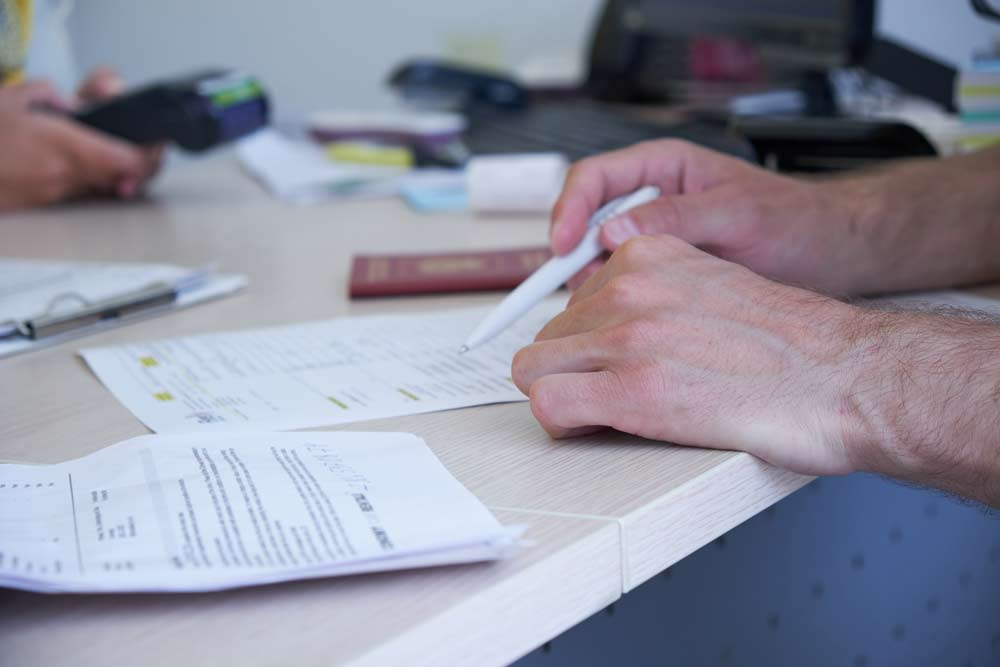
It begins with the hunt for documents. Authorities will typically require an original birth certificate, proof of parental identity, and in some countries, proof of citizenship. That last one can catch people off guard — especially families who’ve moved abroad and now need records from two different countries. The advice from seasoned parents is always the same: don’t leave it to the week before your appointment.
Consent is the second hurdle. Most governments require both parents to sign off on the application. If you’re lucky, you’ll be able to attend the appointment together, but for separated or traveling parents this can mean extra paperwork, notarized permissions, and occasionally awkward scheduling around custody agreements. Parenting forums are filled with stories of parents frantically mailing consent forms across continents just to keep a trip alive.
Then comes the photograph. Capturing a compliant baby passport photo can be almost comedic. Official rules often demand that the baby’s eyes are open, the mouth is closed, and the background is plain. Anyone who’s tried knows this combination is about as likely as a toddler calmly sitting through a wedding ceremony. Some parents succeed by laying their infant on a white blanket and snapping dozens of pictures until one fits the rules. Others swear by professional services that specialize in infant photos, where staff know every trick to coax a usable image out of an uncooperative subject.
Processing times vary by country but are rarely fast. In the United States, routine applications can take months, especially in peak summer travel seasons. In Germany and the UK, processing is often quicker but still unpredictable. The key lesson? Treat your child’s passport like vaccinations or school applications: it belongs on the family timeline months, not weeks, before departure.
Passport Validity Rules That Trip Families Up
Many parents believe that if the passport is valid through the return date, they’re safe. Unfortunately, that’s not how border officers see it. A large number of countries require passports to be valid for three to six months beyond the date of return. Thailand, for example, insists on six months. The Schengen Area within Europe requires three. Airlines can and do deny boarding if your passport doesn’t meet the entry requirements, and they will do the same for your child.
Adding to the challenge is the fact that children’s passports often expire sooner than adults’. In many countries, children under sixteen receive a five-year passport, not ten. That means you may find yourself renewing just as you’ve finished paying off the last holiday. Parents often say the best defense is to set a reminder six months before the expiration date. That way, renewals are in progress long before any surprise trips or offers tempt you to book flights.
What to Know About Visas for Children
If passports are the first hurdle, visas are the second. Whether your child needs one depends on your nationality, destination, and length of stay. For many families, travel within Europe or to countries with visa-waiver agreements feels straightforward. But as soon as you venture further — India, Kenya, or parts of South America — paperwork becomes unavoidable.
The important detail is that if a parent requires a visa, a child will too. It doesn’t matter if they’re six months old and barely eating solid food. Governments require each traveler to have legal entry clearance. Sometimes that’s an electronic visa you can apply for online in minutes, and other times it’s a traditional visa that requires forms, fees, and sometimes even embassy appointments.
Parents often underestimate processing times. While an e-visa might be granted quickly, embassy-issued visas can take weeks. Travel forums are full of posts from families who assumed a child’s visa would be “fast-tracked” because of age, only to discover that toddlers go through the same process as adults. The best safeguard is to check requirements as soon as you book flights. That way, you can build the timeline for both parents and children without unpleasant surprises.
Mistakes Parents Often Make
Even the most organized families stumble when it comes to travel paperwork. One of the most common mistakes is assuming babies can travel under a parent’s passport. They can’t. Airlines will refuse boarding if a child doesn’t have their own.
Another pitfall is waiting too long. Many parents only dig out the passports a week before departure, only to realize one expires next month and doesn’t meet validity rules. Expedited services exist but they’re stressful and expensive, and they’re not always guaranteed.
Dual nationality can also cause confusion. Children who qualify for two passports sometimes fall under different entry rules depending on which document they present. Countries like the United States require citizens, even minors, to enter and exit on a U.S. passport if they have one. Ignoring this can cause delays at the border or, in rare cases, denied entry.
Finally, accuracy matters more than parents often realize. A small spelling mistake, a missing hyphen, or a name that doesn’t match the flight ticket exactly can cause problems. What looks like a harmless clerical error can result in a rejected boarding pass or hours spent convincing officials at check-in.

Practical Ways to Stay Organized
The families who seem the least stressed at the airport usually aren’t luckier — they’re simply more organized. Many parents recommend creating a single travel folder that contains every passport, visa, and supporting document. Digital backups stored in the cloud add a safety net in case the folder gets misplaced.
Color-coded passport covers are another simple trick. When you’re juggling bags, snacks, and toddlers, being able to grab the right document at a glance is worth its weight in gold. Some parents even keep photocopies in a separate bag, just in case of loss or theft.
Equally important is keeping an eye on expiration dates. A calendar reminder six months before the earliest expiring passport can save future panic. Parents who travel frequently often put renewals into the family’s annual rhythm, just like school registration or holiday planning.
The process is the foundation
Paperwork rarely feels like the glamorous side of travel, but it is the scaffolding that holds the whole trip together. Passports and visas for children may be frustrating, but they are also predictable once you know the rules. Many parents say that once the documents are sorted, they can finally enjoy planning the fun parts of the trip — the beaches, the theme parks, the adventures waiting at the other end.
So treat the process as a foundation rather than a hurdle. Apply early, double-check validity, and keep everything organized. With those steps handled, your family trip stands on solid ground, and you can focus on making memories rather than fighting bureaucracy.
Too Long? Here are the most common questions we’re asked.
A: Yes. Every child, including newborns, must travel with their own passport.
A: In most countries, they are valid for five years, compared to ten years for adults.
A: Usually no. Both parents must give consent, except in cases of sole custody or special legal arrangements.
A: Apply at least three to four months before travel. During peak times, even longer is safer.
A: Yes. Visa requirements apply to every traveler, regardless of age.