Cooking in Rentals: Saving Money and Stress
There’s a moment on most family trips when the restaurant math just stops adding up. Everyone’s tired, the bill keeps creeping, and the youngest only wants buttered noodles. A rental with a kitchen can reset the whole week. You can control the timing, the menu, and the noise level. You can still eat out for the fun of it, but you’re no longer dependent on it. This guide shows how to set up a simple system on day one. Shop once with purpose, and cook small, fast meals that work in almost any country without turning vacation into a week of dishes. When you want the tasting adventure again, you can head back to markets with the same confidence you use at street stalls: hot food, strong turnover, calm choices.
How rentals change the shape of a family trip
Restaurants are great for memories; but they’re terrible for control. Bedtime slides, noise builds, and the one thing you can’t buy is a quiet table at 7 p.m. A kitchen solves the timing problem first. Dinner can be at 5:30, or 8:30, or split in two for a jet-lagged toddler and a hungry teen. It also solves your menu problem. The picky eater gets their safe dish, the adventurous child gets a spoon of something new, and nobody leaves hungry. If you’ve been using the gentle “safe plate plus tiny taste” approach from your picky-eater playbook, a rental is where that method thrives.
There’s a money aspect to it too. Two or three simple meals at “home” shift the budget toward the treats you actually want like street-food tastings, a blow-out lunch, a dessert tour. Parents often notice a third benefit they didn’t expect: mornings feel calmer. You can pour milk, scramble eggs, watch the city wake up, and step out when everyone’s ready instead of racing the clock for a breakfast reservation, only to discover “tHeY DoN’t Do ThE eGgs LiKe I LiKe ThEm”. On heavy sightseeing days, that quiet breakfast also supports the snack rhythm you use on the go so energy doesn’t crash right before dinner.
The five-minute kitchen audit at check-in
Before you unpack, walk the kitchen like you’re a stage manager. You’re not judging the property, you’re just getting a feel for what is there and where everything is.
Open every cupboard and the fridge. Count plates, bowls, and cups so you know what you’re working with. Spot the sharpest knife and the biggest pan. Check for a cutting board, a strainer, a kettle or pot for boiling water, and something oven-safe if there’s an oven. Note any oddities. Like stoves that take time to light, switches that control outlets, a tiny fridge that won’t hold a big grocery run. Give a quick wipe to the main prep area and the high-touch handles so you start clean.
Make tiny adjustments that pay off all week. Shift the trash where you can reach it while cooking. Put a towel by the sink and a spare under the cutting board to keep it from slipping. If there’s a smoke alarm alarmingly close to the stove, crack a window before you heat a pan. It’s five minutes of attention that prevents ten small annoyances later. This is also the moment to glance at your first-grocery-run plan so you don’t overbuy for a miniature fridge.
One smart grocery run that buys a week of calm
The first shop is not about stocking a pantry; it’s about building blocks. You want a handful of ingredients that can flip between breakfast and dinner, plus a few local fresh things so the trip tastes like the place you’re in. A small bag of reliable snacks for travel days belongs in this cart too, so your on-the-go routine doesn’t depend on whatever the station kiosk happens to sell.
Think in four buckets:
- Base carbs you can cook fast: bread, tortillas, pasta, rice packets, potatoes.
- Proteins that don’t demand a chef: eggs, rotisserie chicken or pre-cooked meat, canned beans or lentils, cheese, yogurt.
- Produce that keeps and can be eaten raw or quickly cooked: bananas, apples, tomatoes, cucumbers, carrots, spinach or local greens.
- Flavor helpers with big impact and small effort: butter or oil, salt and pepper, one local sauce or spice blend, and something bright like lemons or vinegar.
Add milk or the dairy alternative you actually drink at home, a cereal or granola that works for kids, and a drinkable you trust. If the store sells a hot soup, a roast chicken, or fresh bread, bring one home. That’s dinner solved while you unpack. If you’ll be tasting street food later, buy lightly now; the point is to steady blood sugar, not crowd out the fun.
The winning move is to buy modestly. Rentals might have small fridges and no one wants to throw food away at check-out. If your arrival is late or you’re coming off an overnight train, lean on a big, calm local breakfast the next morning and do the shop after everyone’s reset.
Simple meal templates that work anywhere
You don’t need recipes on vacation; you need shapes you can fill with local ingredients. Three templates can handle almost everything, and they dovetail with the one-pot/one-pan rhythm that keeps cleanup small.
The One-Pan
Heat oil, add chopped vegetables and a quick protein, finish with a sauce or a squeeze of lemon, spoon over rice or mop with bread. It’s fast, it’s flexible, and cleanup is a single pan. For cautious eaters, plate the base plain first and slide a spoon of the “grown-up” version to the side.
The Boil-and-Toss
Cook pasta, potatoes, or grains. Toss with olive oil or butter, add a handful of cut vegetables and a protein (canned tuna, chickpeas, chopped chicken), season simply. Warm or room temperature, it eats well even when people drift in from showers at different times. This is also the easiest handoff when you’re between market tastings and bedtime.
The Tray Meal
If there’s an oven, put everything on a sheet: sliced potatoes, carrots, a protein, a drizzle of oil, salt. Roast once, rest while you set the table, serve. No stovetop babysitting. Even without an oven, the same idea works in a lidded pan over low heat. Keep spice at the table so heat-lovers can build their own while kids stay with mild.
Pick one template per day and repeat with local twists. Tomatoes and basil in one city, peppers and olives in another, a spoon of market pesto in a third. Children who struggle with novelty do better when the structure stays the same and only the Flavors change; that’s the same principle you use in your picky-eater routine. If all else fails, nuggets and fries for the kids with a side of local dip.
Breakfasts that carry the day
Breakfast is your quiet lever. If you get it right, snacks and dinners get easier.
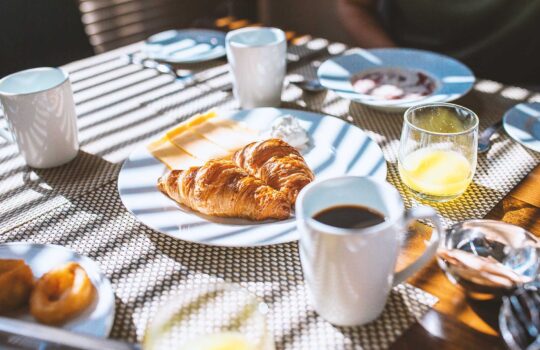
Keep a two-track breakfast: something reliably familiar plus one small “trip taste.” Scrambled eggs with local bread, yogurt with fruit and a teaspoon of the market jam, porridge with sliced banana and a sprinkle of the city’s nuts or seeds. If dinner will be late, make breakfast hearty and pack a simple mid-afternoon snack.
Hotels have the tendency to sometimes make mornings feel rushed. Rentals let you set the pace to your own rhythm. Play music, put kids in charge of washing fruit or laying out spoons, and let the day start soft. Parents often notice that a calm breakfast is the single change that makes the rest of the itinerary feel doable. And if a child has been hesitant with Flavors, breakfast is the lowest-pressure place to practice one tiny new bite. We like to let the kids choose something from the local market that they get to try the next day. We will tease it a bit throughout the day to generate interest and curiosity. So by the time comes the next morning, they will be excited to try what they picked out.
Fast dinners after long days out
The tired-parent dinner is not a test of skill. It’s simple logistics. Have two or three 15-minute fallbacks you can run on autopilot:
- Eggs, Always. A frittata or omelette with chopped vegetables and cheese, plus bread and sliced tomatoes. We usually reserve this for the last night so we can clean out the fridge of produce that we will have to throw out when we leave.
- Pasta Plus. Boil pasta, stir in butter or olive oil, add cherry tomatoes, a handful of spinach, and flaked rotisserie chicken.
- Rice Bowl. Warm pre-cooked rice, top with sautéed vegetables and beans, finish with a spoon of the local sauce or a squeeze of lemon.
- Soup and Crunch. Heat a simple soup, serve with grilled cheese or toasted bread.
Your kids aren’t expecting you to be Gordon Ramsay in the kitchen. Though there might be some similarities after a full day out, and minimal temper. All you’re aiming for here is energy and calm on a plate. If someone wants spice, keep a jar on the table. If a child is wary, serve the base plain and offer a taste of the amplified version on the side. When you do plan a street-food night, these same bowls make great pre-tasting fuel so children aren’t trying new things on an empty tank.
Tiny kitchen, tiny cleanup: routines that save you
Small sinks and thin pans create a different rhythm. Clean as you go. Fill the sink with hot soapy water before you start, drop tools in as you finish with them, and give the counters a quick wipe while the pasta boils. Put one towel on the floor under the drying rack if the counter is tiny. If there’s a dishwasher, run it after breakfast so you start dinner with a clear deck. The same top-layer organization you use in your carry-on one pouch for essentials works in the kitchen as well: spatula, small knife, clip bags, all in one place at arms length. Have it prepared so you’re not searching for essential tools while something burns in the pan.
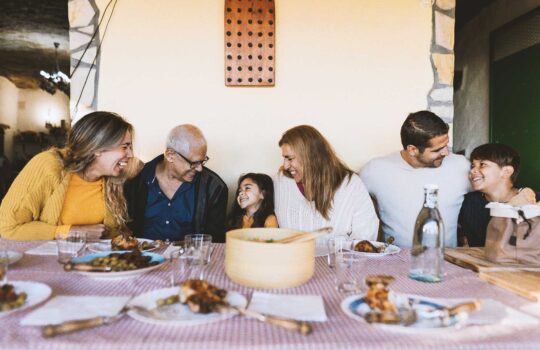
Divide labour the same way each night so no one argues. One adult cooks, one does dishes, kids carry plates and wipe table. Ten minutes of predictable teamwork beats thirty minutes of muttering. If your trip includes longer stays, make one night a picnic dinner: bread, cheese, fruit, a few local extras that the kids go to pick. No stove, nearly no dishes, and still feels like part of the place.
Safety and hygiene in unfamiliar kitchens
New spaces create new hazards. Start by moving knives and cleaning supplies out of toddler reach. Check how the stove lights, where the handles sit, and whether the fire alarm is hair-trigger. Keep pot handles turned in and a towel off the stovetop. In older buildings, water can swing hot and cold pretty rapidly. So make sure to test bath and sink temperatures before a child “helps”.
For food safety, borrow habits from your market routine. Wash hands before you cook and before eating. Rinse produce you plan to eat raw. If you wouldn’t drink the tap water, rinse with bottled or boiled water instead. Keep raw meat separate and cook it through. Leftovers should be cooled promptly and eaten within a day. Keep your small medical kit handy but out of reach. A thermometer and a couple of oral rehydration packets are rarely needed and very reassuring on a rough evening.
When in doubt about a sticky pan or a worn cutting board, use parchment, foil, or a clean plate as a prep surface. Your goal is simple: lower the risk without turning the kitchen into a worry factory, and you into a germaphobe.
Getting kids involved without slowing everything down
Children eat better when they help. The trick is choosing jobs that increase buy-in without doubling your time.
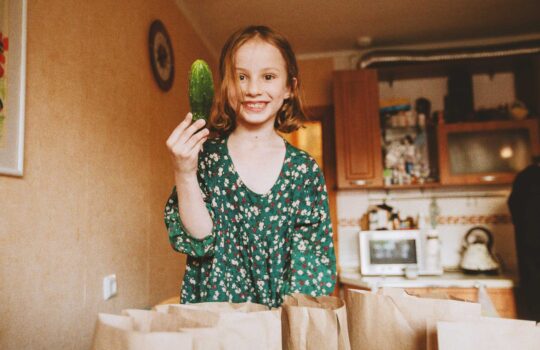
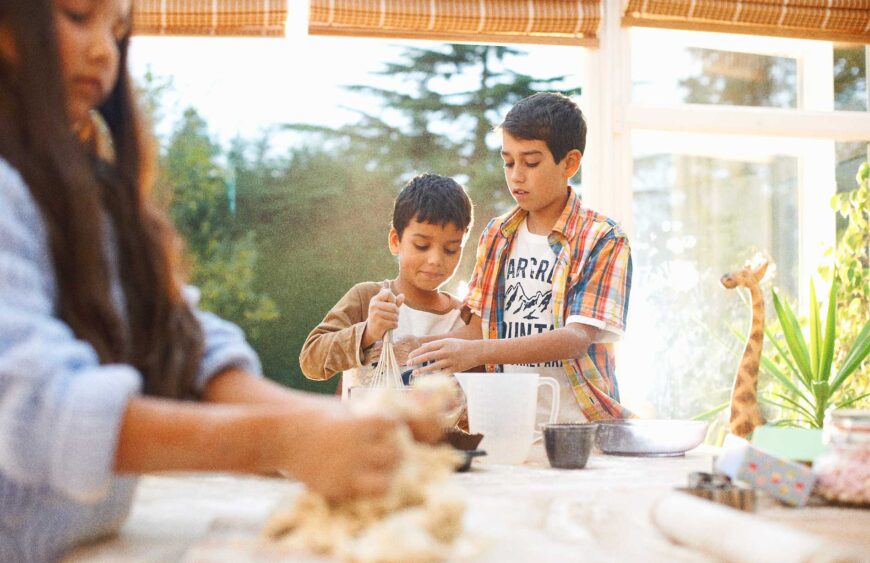
Assign roles that match age and energy: washing fruit, tearing salad leaves, sprinkling salt, snapping green beans, stirring batter with a hand over yours. Give a time-boxed task. Three minutes of “helper” and then a hand-off to drawing or setting the table. Praise the effort, not the volume eaten later. That keeps the kitchen an inviting place, not a stage for performance. You can treat these moments as gentle flavour introductions, the same way you do at breakfast buffets and markets. Touch, smell, tiny taste, no pressure.
For picky eaters, involvement is exposure disguised as pride. The child who tore the basil is far more likely to taste the pasta it lands on. And if the evening melts down anyway, you still banked a memory of doing something together.
Control the Easy Parts, Enjoy the Rest
Cooking in a rental isn’t a chore when you shrink the ambition. Audit the kitchen, shop lightly, use templates instead of recipes, and keep cleanup small. Breakfast sets the tone, fast dinners protect bedtime, and a picnic now and then keeps it fun. With control over timing and menu, kids relax, parents breathe, and your trip buys back energy for market tastings, restaurant treats, and the long days out you actually travelled for. If you like planning on paper, you can sketch a simple week. Two market meals, three rental dinners, one restaurant splurge, and let the days revolve around weather and mood.
Too Long? Here are the most common questions we’re asked.
Yes, when you keep meals simple and shop modestly. A few breakfasts and two or three fast dinners shift the budget away from default restaurant spending and toward experiences you choose.
Cook to the equipment you have. One-pan meals, boil-and-toss bowls, and tray meals cover most needs. A small spatula, cutting mat, and a few zip bags from home bridge most gaps.
Serve a safe base and add a spoonful of the new dish on the side. Breakfast is a great place for tiny tastes, and letting kids help with prep nudges curiosity.
Clean as you go, run the dishwasher after breakfast if there is one, and build in a no-cook picnic night. Predictable roles keep resentment low.
If you’d drink the tap water, rinsing is usually fine. If not, choose peelable fruit or cooked vegetables, or rinse with bottled or boiled water. When you’re out, stick to the same “hot and cooked to order” habit you use at markets.