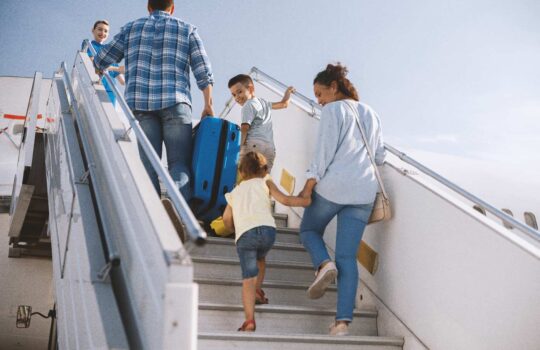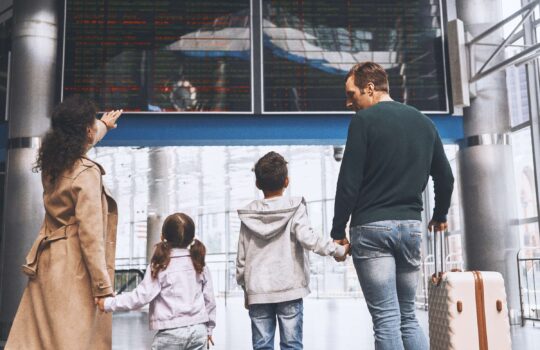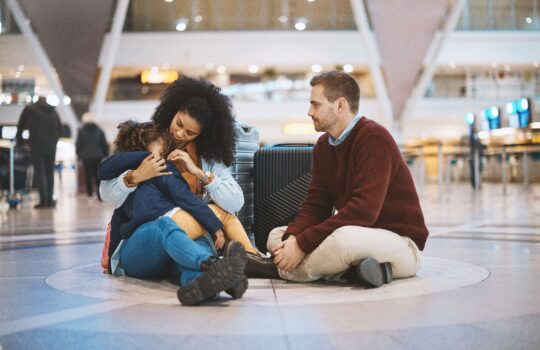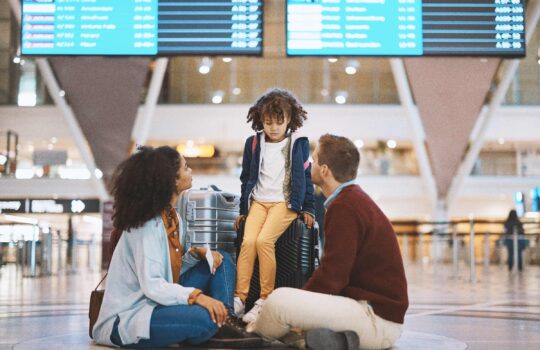
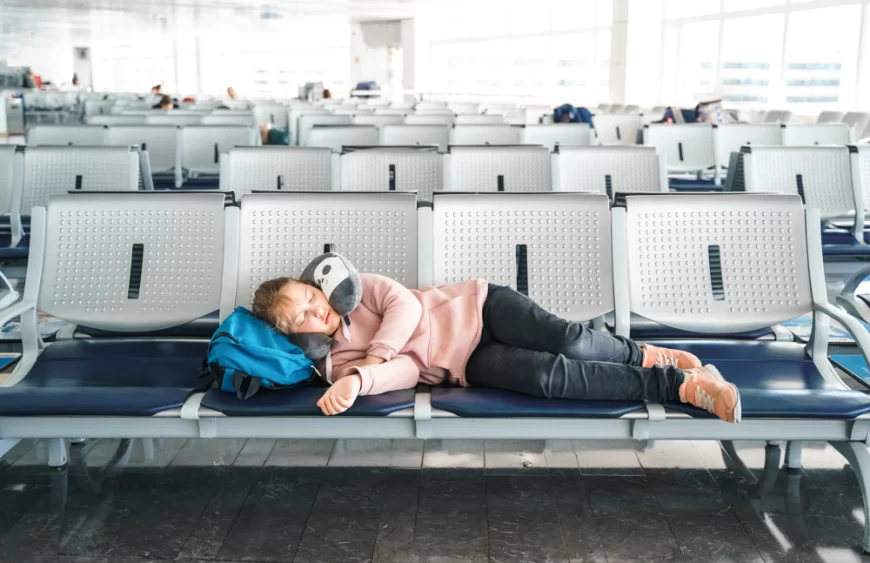
The layover dread most parents know too well
If there’s one word that can make parents groan louder than “boarding,” it’s “layover.” Surviving one flight feels like an achievement, only to be followed by hours in a crowded airport with overtired kids and no end in sight. Layovers with children can feel like purgatory: not home, not your destination, just an in-between filled with waiting, tantrums, and overpriced sandwiches.
But here’s the secret many seasoned parents eventually learn: layovers don’t have to be nightmare zones. With the right preparation and a shift in mindset, they can become manageable — even an oddly welcome pause to reset before the next stretch of travel. The key isn’t “killing time.” It’s managing energy. Yours and your kids’.
Jump to Section:
Now that you have kids
How to Choose Your Layover Wisely
Strollers, Gear, and Baggage. Oh My!
Feeding Kids During Layovers
Sleep in a Place That Never Sleeps
Playtime and Burning Energy
Handling the Unexpected
Layovers as Part of the Adventure
FAQs
Why airport layovers hit different when you have kids
Travelers without kids see layovers as an inconvenience, maybe even an excuse for a quick coffee or airport shopping spree. Parents see them as landmines. Unpredictable timing, security checks in unfamiliar terminals, the question of whether your stroller will be waiting for you or disappear until the final destination. Every step feels like a test. Add in tired children with no patience for lines or schedules, and the stress multiplies fast.
That’s why handling layovers with kids isn’t about efficiency. It’s about making decisions that protect your sanity: knowing when to rest, when to feed, when to move, and when to just give in to the chaos.
Choosing your layover wisely
When booking flights, many parents make the mistake of thinking a shorter layover is always better. With kids, the opposite is often true. A too-tight connection leaves you sprinting through terminals with strollers, snacks, and diaper bags while your toddler wails. A slightly longer layover of two to three hours instead of 45 minutes, gives you breathing room to change diapers, grab food, and reset before boarding again.
Some airports even make the experience easier. Singapore’s Changi, Munich, and Doha have dedicated play zones and family-friendly rest areas. Others are just endless corridors of duty-free shops. A quick search before you book can reveal whether your layover airport is family-friendly or a logistical nightmare. Many parents use the same tricks they’d use for navigating the departure airport like scoping out bathrooms and stroller return policies which we cover in more detail in our guide to family airport hacks every parent should know.
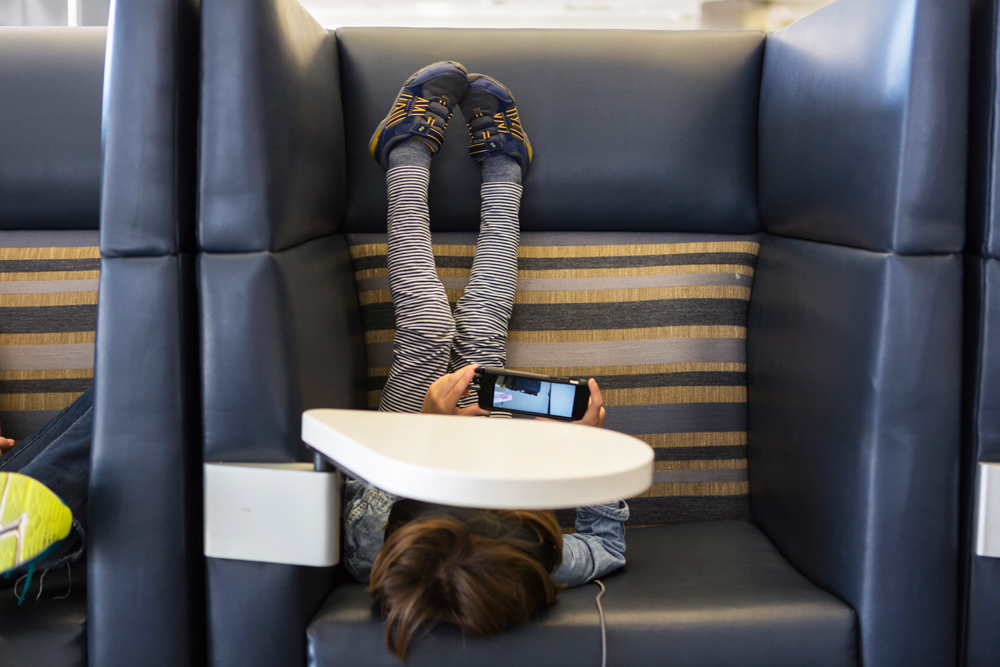
Strollers, gear, and the airport shuffle
Nothing tests a parent’s patience like the stroller question: will you get it back during the layover or not? Some airlines return gate-checked strollers right at the jet bridge, while others only release them at the final destination. That means you may be stuck carrying your baby through a terminal with nothing but your arms and a diaper bag.
This is where lightweight travel strollers earn their keep. They’re compact enough to fit as cabin baggage on many airlines, and they save your back when your layover stretches into hours. Baby carriers are another parent-tested lifesaver, letting you move quickly through security or shuttle buses without fumbling with wheels. The right choice depends on your child’s age and your comfort level, but planning for mobility makes a massive difference. If you’re still weighing stroller options, we break down the pros and cons of different models in our roundup of the best travel strollers for every age and trip type.
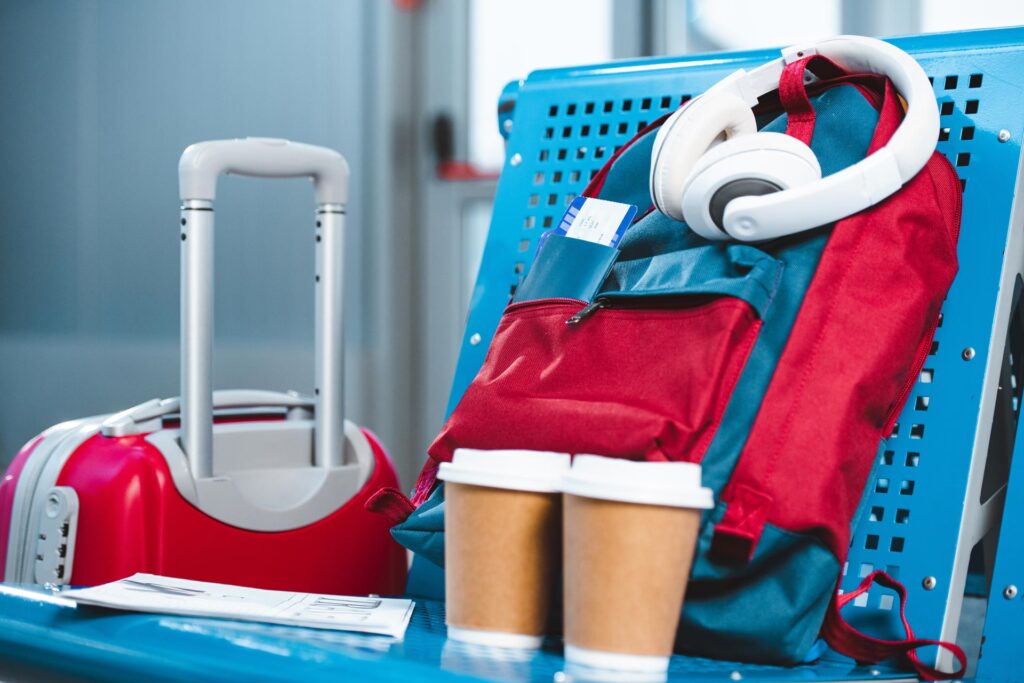
Feeding kids during layovers without losing your sanity
Food can make or break a layover. Airports are notorious for overpriced, bland options that your kids will reject anyway. The safest move is to pack your own snacks. Think pouches, fruit, granola bars or anything they’ll actually eat without a meltdown. Most airport security allows reasonable amounts of baby food, formula, and toddler snacks, but rules vary by country, so it’s worth checking in advance.
That doesn’t mean you should skip airport food entirely. A sit-down restaurant, even a casual one, can offer a break from the chaos and a moment of calm. Just target stable options with room for strollers or high chairs, and try to avoid peak meal times.
If your budget or credit card perks permit it, airport lounges can be an absolute game-changer. Lounges offer quieter spaces, more varied and kid-friendly food options, and soft seating that can feel like a mini oasis amid the hubbub. For kids, it often feels like a reward. A special stop before the next flight.
Here are a few credit cards parents frequently mention for lounge access (Sorry these are mostly U.S. based):
- Chase Sapphire Reserve®: Grants access to Priority Pass lounges for the cardholder and up to two guests. Authorized users (added for a fee) also get access.
- Capital One Venture X Rewards Credit Card: Offers unlimited access to both Priority Pass and Capital One lounges. You can add up to four authorized users at no extra cost, and they also get lounge access and guest privileges.
- The Platinum Card® from American Express: Includes access to Centurion Lounges, Delta Sky Clubs, and Priority Pass lounges, though guest policies and the high annual fee may limit its value for families.
- U.S. Bank Altitude Connect: Includes four Priority Pass visits per year with no annual fee, a good option for families who only travel occasionally.
Lounges may carry a price, but for families, the ability to sit down, eat, and recharge away from terminal noise can turn a dreaded layover into a much-needed pause.
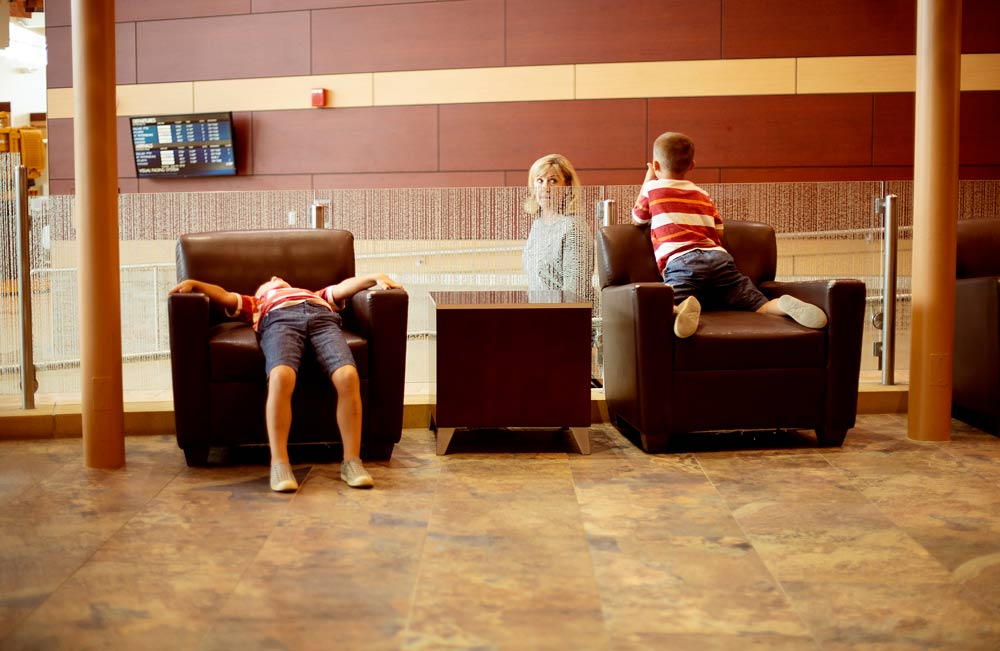
Sleep and rest in a place that never sleeps
Airports are designed for movement, not rest. Unfortunately, babies and toddlers don’t care about design. They need naps. For babies, the solution is often simple: carriers or strollers double as nap zones, especially if you bring a lightweight blanket to drape for darkness. For toddlers and preschoolers, it’s trickier. Some parents create little rest corners with a mat or blanket near quieter gates, while others time naps for stroller rides between terminals.
If you’ve got a long layover, check if the airport has family lounges, nursing rooms, or even short-stay hotels inside the terminal. A 90-minute nap in a quiet room can transform a grumpy toddler into a manageable one. Parents juggling long-hauls with infants also swear by pacing naps carefully to avoid throwing off the entire sleep cycle. We dive deeper into this balancing act in our long-haul survival guide for babies, but the principle is the same: sleep when you can, wherever you can.
Playtime and burning off energy
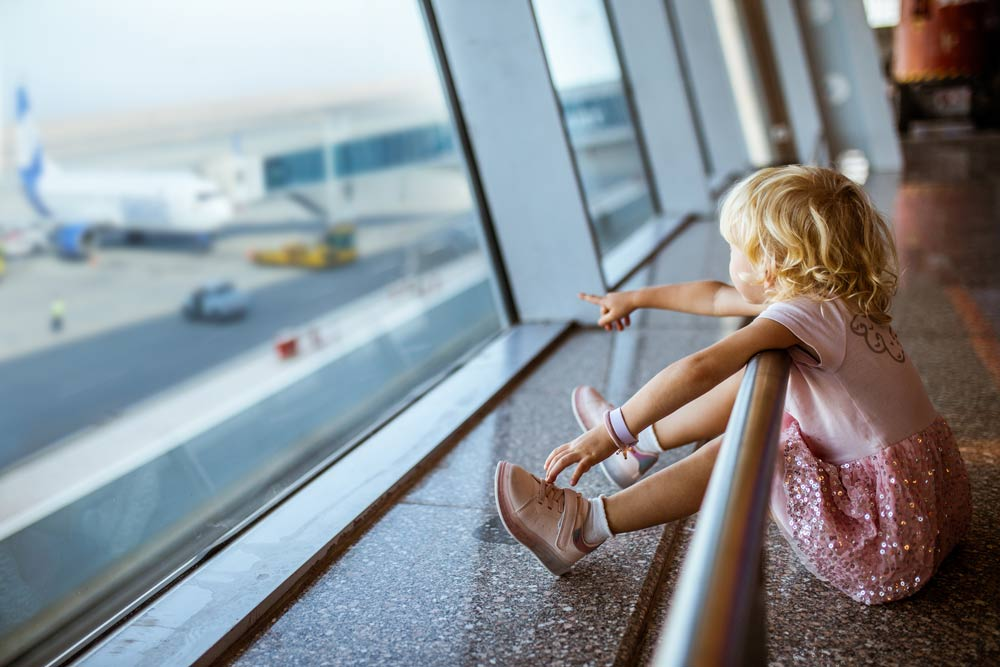
The cruel irony of layovers is that kids desperately need to burn energy while you desperately need to conserve yours. The trick is to find controlled spaces for movement. Many major airports now have kids’ zones with play equipment or soft mats. Observation decks, if available, are underrated. Watching planes take off and land can keep kids mesmerized for surprising stretches of time.
If your airport has no designated play areas, you can still improvise. A scavenger hunt (“find three red suitcases, count how many hats we see”) turns walking the terminal into a game. Coloring books, small sticker pads, and compact toys extend the distraction window. When in doubt, yes, screens have their place. A downloaded show on a tablet can be the difference between sanity and meltdown. Just remember that screens work best as part of a rotation with hands-on play, something we cover more fully in our roundup of the best plane toys for kids.
Handling the unexpected: delays and missed connections
Even the best-planned layover can go sideways. A short connection can stretch into hours, or you may miss your onward flight entirely. This is where backup planning pays off. Pack a mini “overnight kit” with diapers, wipes, pajamas, and a toothbrush, just in case you’re forced to stay at an airport hotel. A small stash of extra snacks and formula can buy peace of mind if delays drag on.
Most importantly, prepare yourself mentally. Plans will change. Flights will be delayed. Kids will melt down at the worst possible moments. If you go in expecting flexibility, it’s easier to adapt when chaos hits. We’ve put together more detail in our guide to dealing with flight delays and cancellations (coming soon), but the short version is this: don’t panic, don’t blame yourself, and remember that thousands of families survive this exact scenario every day.
Layovers as part of the adventure
Layovers will never be the highlight of your trip, but they don’t have to be the part you dread most either. Think of them as a built-in pause: a chance for kids to stretch, nap, and snack before the next big push. Sometimes, they even become little adventures of their own. An unexpected playground in Munich, a nap in a cozy airport lounge in Doha, or the wide-eyed excitement of watching planes take off together in Singapore.
For young children, part of the challenge is understanding that the layover isn’t the destination. Toddlers and preschoolers often struggle with the idea of getting back on the plane after they thought the journey was “over.” A simple explanation helps: “This airport is just a stop, like when we change buses or trains. We’re taking one plane to this city, and another plane to our real destination.” Some parents even use it as a teaching moment, pointing out maps or departure boards and turning it into a mini geography lesson. When kids feel included in the journey, they’re less likely to resist the next boarding call.
Your children won’t remember the long lines or overpriced sandwiches. They’ll remember that you were there with them, turning an in-between into part of the story. And that’s what family travel is about: not perfection, but the messy, memorable journey you take together. At least, that’s what we keep telling ourselves 😉
Too Long? Here are the most common questions we’re asked.
For families, longer is usually safer. A two-to-three-hour layover gives you enough time to get through security, change diapers, grab food, and still arrive at the next gate without sprinting. Tight connections might work for solo travelers, but with kids, the margin for error is too slim.
It depends on the airline. Some return gate-checked strollers at the jet bridge, others only release them at the final destination. If mobility is critical for your child, bring a lightweight travel stroller or carrier into the cabin so you’re not stranded during the connection.
Use what you have. Babies usually nap in carriers or strollers with a light blanket draped over for shade. Toddlers may settle in a quieter corner of the terminal with a blanket or travel pillow. If you have a long stop, check for family lounges or airport hotels. Even a short rest can reset everyone’s mood.
Airports like Singapore Changi, Munich, and Doha are famously family-friendly, with play areas, gardens, and even swimming pools. Many European hubs have kids’ corners, while U.S. airports vary widely. Research your connection airport before booking if play space matters to you.
Always pack as if your layover might double in length. Extra diapers, wipes, formula or snacks, pajamas, and a toothbrush can turn a nightmare delay into something manageable. A few surprise toys or activities can also buy you crucial calm if hours drag on.