Jump to Section:
The Golden Rules
Snacks: the non-negotiable lifesaver
Clothing: one change for everyone
Comfort kit: sleep and calm in the sky
Hygiene and health essentials
Documents and must-haves for parents
Packing strategy: cubes and pouches to the rescue
Common mistakes parents make
Wrapping it up: calm in a bag
FAQs
Any parent who’s flown with kids knows the carry-on is not just a bag
It’s your lifeline. Once you’re in the air, you can’t reach the checked luggage, and when delays happen, what’s in that overhead bin determines whether your flight is tolerable or a meltdown marathon. Families don’t get the luxury of “packing light.” Instead, they pack smart: carefully chosen items that keep everyone fed, clean, entertained, and sane for the long haul.
This isn’t about stuffing the bag until it bursts. It’s about curating what you’ll actually use. A thoughtful carry-on list doesn’t just make the trip smoother for kids. It makes parents feel more in control. That calm trickles down, and suddenly even a six-hour flight feels manageable.
The golden rule: plan for delays, not just flights
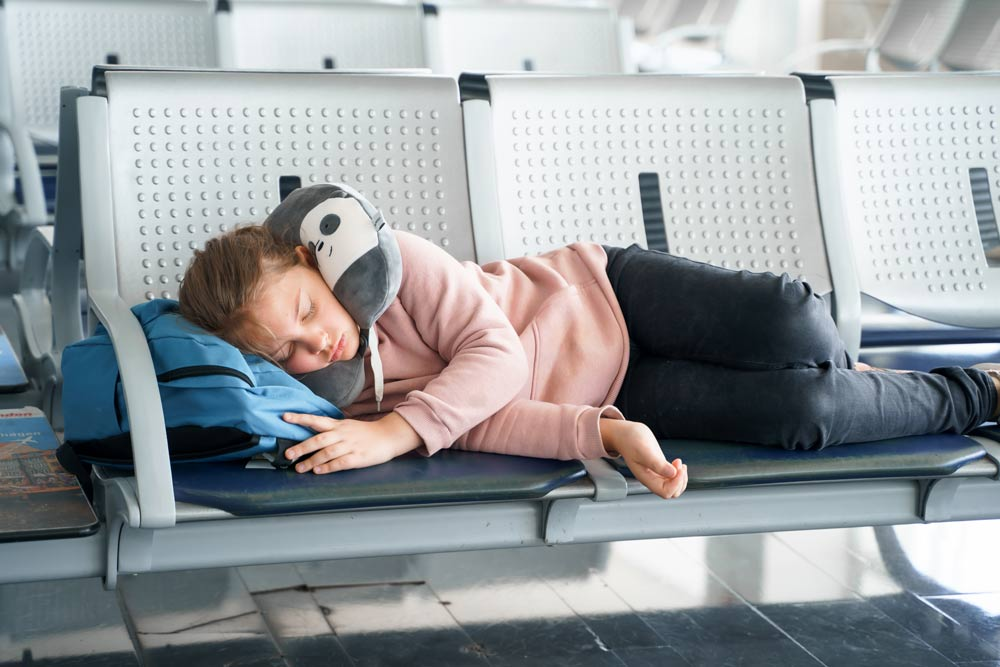
When parents pack only for the time in the air, they often get caught out by the other waiting time: check-in queues, boarding delays, baggage claims that feel eternal. If your family is facing a long day of travel, assume your carry-on will cover twice the expected time. That means extra snacks, extra outfits, and a few more patience-savers than you think you’ll need.
Parents in travel forums repeat this mantra: “If it’s essential for comfort or survival, it goes in the carry-on.” Everything else can sit in the hold.
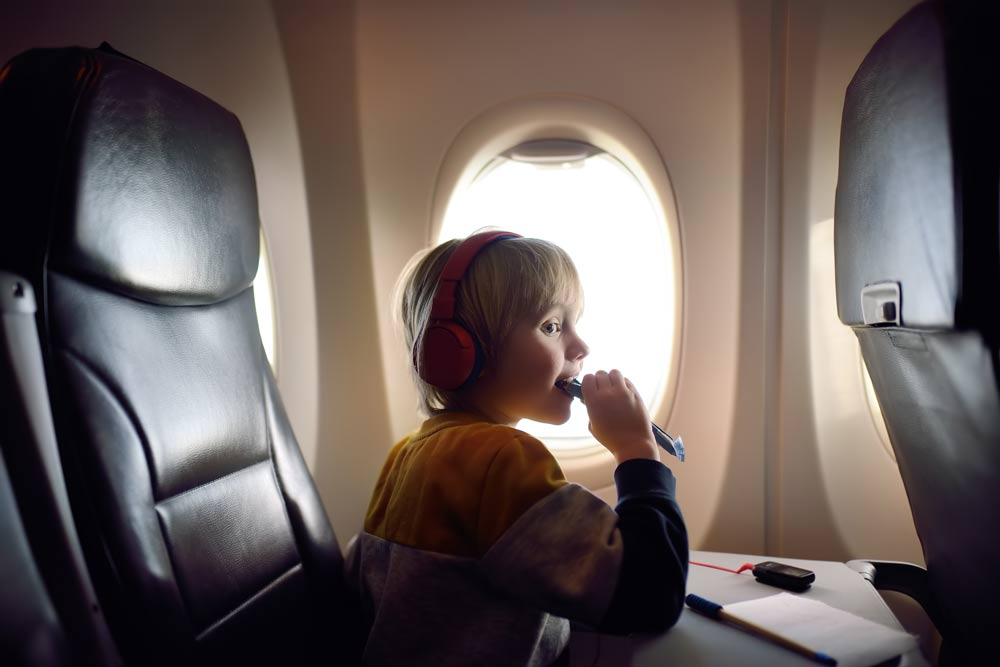
Snacks: the non-negotiable lifesaver
Airline meals and kids are an unreliable mix. Sometimes the food arrives too late, sometimes it’s inedible, and sometimes your child just flat-out refuses. Having your own stash of parent-approved snacks can avert crises.
Think simple, non-messy, and slow-to-eat: granola bars, string cheese, dry cereal, pretzels, fruit leather. Many parents also pack a small “surprise snack” for meltdowns, something a little more exciting that comes out when patience runs out.
Don’t forget the hydration piece. Most airports allow you to bring an empty reusable water bottle and fill it post-security. For toddlers, a spill-proof sippy cup or straw bottle saves both your clothes and your nerves.
Clothing: one change for everyone
The logic here is simple: if one kid spills juice, everyone else probably will too. Carrying at least one spare outfit per child is non-negotiable. For babies and toddlers, that means a full change including socks. For older kids, at least a spare top and underwear.
Many parents skip themselves and regret it when they end up covered in applesauce. A lightweight shirt or leggings for parents can be a trip-saver. Pro tip: pack each change of clothes in a separate zip bag. It keeps them organized and doubles as storage for dirty or wet clothes later.
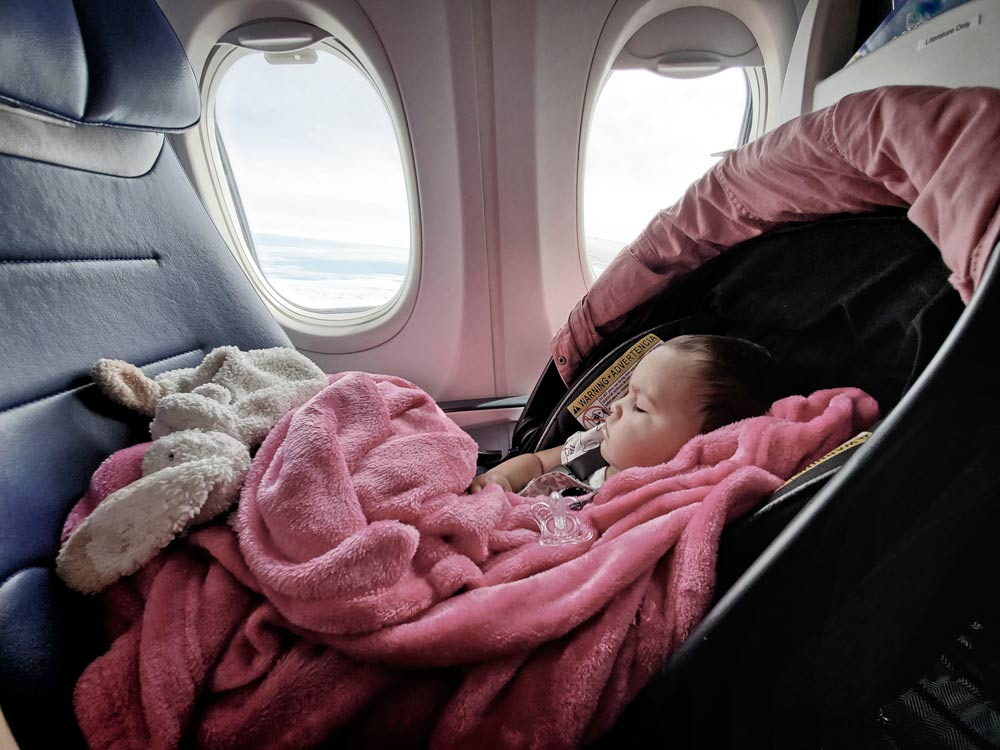
Comfort kit: sleep and calm in the sky
Parents often underestimate how disruptive the flight environment can be for kids. Bright cabin lights, engine noise, cold air conditioning, and the excitement of being somewhere new all conspire against sleep. That’s why building a comfort kit is less about luxury and more about survival.
The key is familiarity. A favorite blanket or stuffed animal isn’t just about warmth. It’s a cue that tells your child “this is safe, you can rest now.” For babies, a muslin cloth that smells like home can work the same magic. Parents who travel frequently often keep a “travel-only” comfort item so it feels special and helps signal bedtime away from home.
For longer flights, compact travel pillows or footrest cushions can transform cramped seats into something resembling a bed. Some airlines don’t allow the inflatable leg-rest pillows, but when permitted, they’re lifesavers for toddlers who otherwise can’t stretch out. Add in small touches like a child-sized eye mask or foam earplugs, and you’ve created a cocoon that shields them from overstimulation.
In other words, a comfort kit isn’t about spoiling your child. It’s about giving them (and you) a fighting chance at rest.
Hygiene and health essentials
The hygiene kit is where parents earn their wings. Kids’ hands find every sticky surface, and you’re never more than ten minutes away from a spill. A well-stocked pouch makes those small crises manageable instead of overwhelming.
Wipes are the cornerstone. Bring more than you think you’ll need, because they handle everything from apple juice spills to bathroom cleanups when the airplane sink isn’t cooperating. A small pack of tissues comes in handy for both noses and snack-time napkins. Hand sanitizer is a must, but many parents prefer the travel-size spray bottles over gels, since kids are more likely to tolerate a quick spritz.
Don’t underestimate the power of zip-top bags (aka Ziploc Freezer Bags). They’re multipurpose heroes: dirty diaper storage, wet clothes containment, trash collectors, even impromptu barf bags. A handful of small and large ones takes up no space but solves endless problems.
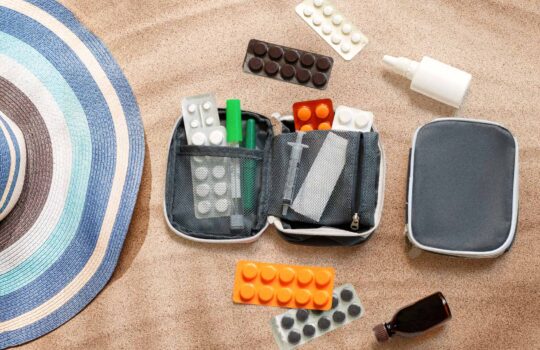
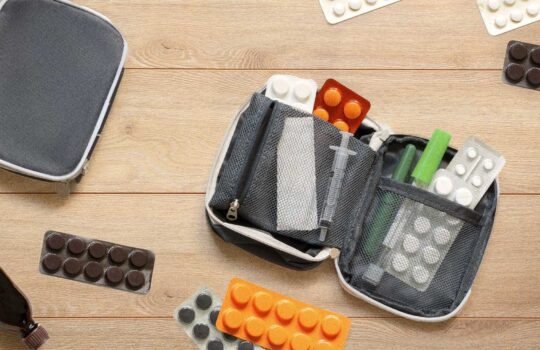
On the health side, a mini first aid kit with plasters, antiseptic wipes, and child-safe pain relief covers everyday bumps. If your child is prone to ear pain, pack gum, lollipops, or a sippy cup for takeoff and landing. Motion-sickness bands or medication can also be worth their weight in gold. Parents who’ve had to sprint through airports with a feverish child swear by carrying a thermometer and a small sachet of fever reducer. It feels over-prepared until it doesn’t.
Documents and must-haves for parents
In the chaos of prepping kids, parents sometimes neglect their own essentials. Until the moment they’re desperately needed. Your carry-on should have a parent pouch that’s as sacred as the kids’ snack cube.
Passports, boarding passes, and any visas or health documents should be in one waterproof folder, with digital copies stored on your phone and in cloud storage. Parents often recommend packing a printed sheet of emergency contacts and insurance details, because Wi-Fi isn’t guaranteed when you need it most.
Power is another essential. A slim airline-approved power bank and a set of charging cables live here, along with a universal adapter if you’ll need it on arrival. Even something as small as a pen is invaluable for immigration forms. Parents who’ve stood in line with cranky kids just to borrow one from a stranger never forget it again.
Finally, don’t forget your wallet with local currency. Even in the most card-friendly countries, there’s always a taxi, café, or vending machine that only takes cash. Having a few small bills ready avoids stress at exactly the wrong time.
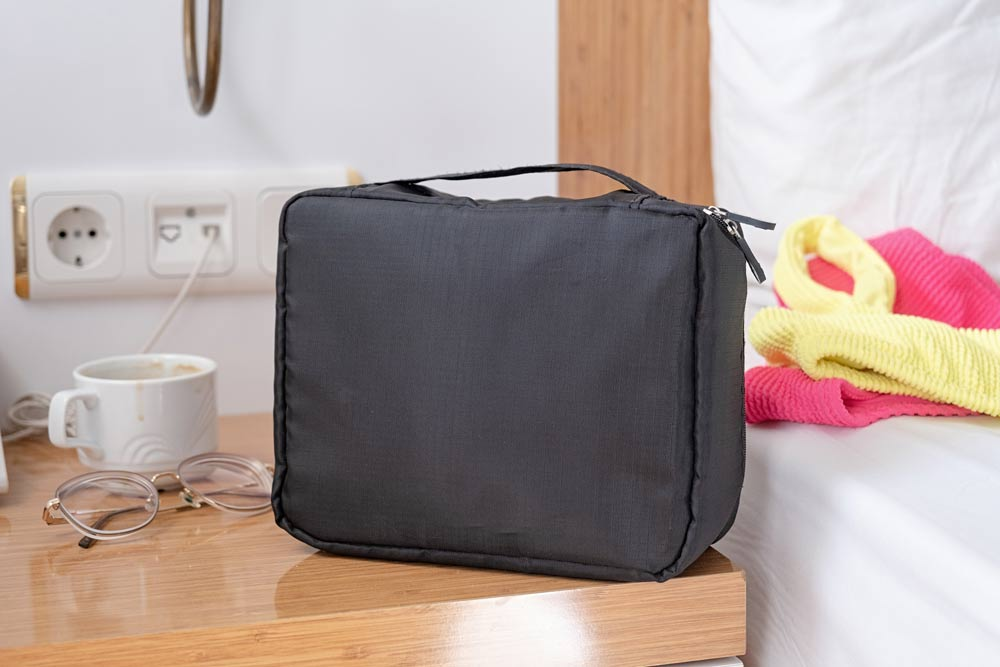
Packing strategy: cubes and pouches to the rescue
We’ve written about it before, but a family carry-on without organization quickly becomes a black hole. The moment you’re digging blindly for wipes in a tiny airplane lavatory is the moment you realize the system matters as much as the stuff. Packing cubes and clear pouches turn chaos into something more manageable.
Think of your carry-on as a filing cabinet. One cube for clothes, one for snacks, one for entertainment. A transparent pouch for toiletries and health supplies. When each category has a home, even a six-year-old can help find things. Parents often color-code cubes per child. Red for one, blue for another. So even the kids know exactly where to look without rifling through everything.
The trick isn’t to overstuff. A cube should be light enough to pull out and open without spilling everywhere. And always keep the “grab items” like wipes, water bottle, comfort toy in an outer pocket or the seatback bag once you’re settled.
This way, instead of juggling 12 random items in your lap, you’re working with neat, portable modules that go back into place just as easily. Organization doesn’t just save you time; it saves your sanity.
Common mistakes parents make
Even well-prepared parents trip over the same pitfalls when it comes to carry-ons. Recognising them ahead of time makes the difference between a smooth journey and a stressed one
One of the biggest is overpacking toys. In the panic of “what if they get bored,” parents stuff the bag with half the playroom. In reality, kids usually cycle between 2–3 favourite activities, and the rest just weigh you down. A better approach is to rotate small items throughout the journey, keeping some surprises back for the return flight.
Another mistake is forgetting parent needs. Parents who pack meticulously for kids but neglect to include a change of clothes for themselves often end up regretting it. When juice spills or motion sickness strikes, sitting in damp puke-smelling clothes for hours is misery. A lightweight spare shirt or leggings for each parent takes almost no space but makes all the difference.
Then there’s the return trip trap. Families burn through snacks and activities on the way out, only to face the flight home empty-handed. Always set aside a “return pouch”. A few new snacks or toys kept hidden until it’s time to fly back. Maybe a few new snacks that your children discovered while on holiday.
Finally, some parents forget to pack for layovers. Hours spent in transit lounges or delayed on tarmacs can be even tougher than the flight itself. A small bag-within-a-bag that holds just what you’d need for 3 hours of waiting (snacks, wipes, entertainment) can save you from digging through the main carry-on at the worst possible time.
In short, the mistakes come from overdoing or under-thinking. The fix is balance. Enough to cover real needs without drowning yourself in excess.
Wrapping it up: calm in a bag
The family carry-on isn’t about cramming everything “just in case.” It’s about creating a reliable toolkit that keeps your kids comfortable, entertained, and fed. And it gives you a sense of calm control. With smart packing, you’ll spend less time rummaging and more time actually enjoying the journey.
A good carry-on doesn’t just carry stuff. It carries peace of mind.
Too Long? Here are the most common questions we’re asked.
A: Enough to cover at least double the expected travel time. Snacks, clothing changes, and entertainment should be your top priorities.
A: Yes. Baby milk, formula, and food are usually allowed in reasonable quantities, even over the standard 100ml limit. Always check airline rules before flying.
A: Use packing cubes or pouches to separate categories (snacks, clothes, hygiene, entertainment). Color-coding per child also helps.
A: Absolutely. Even one lightweight change can save you from sitting through a flight in stained or wet clothes.
A: A mix of screens and non-screen activities. Tablets with offline content, headphones, and 2–3 quiet, mess-free toys usually do the trick.