
Jump to Section:
Why Headphones Matter
What Makes Travel Headphones Different
One Size Doesn’t Fit All
Popular Brands for Toddlers
Popular Brands for Young Kids
Popular Brands for Older Kids
Wired vs. Wireless
Common Mistakes
Comparison Chart
Wrapping Up
FAQs
Why headphones matter more than you think
Any parent who has sat through “Baby Shark” blaring from a tablet speaker at full blast knows: kids’ headphones aren’t a luxury. They’re a survival tool. They save fellow passengers’ sanity, but more importantly, they protect children’s hearing and give families a way to survive the long, in-between stretches of travel.
But here’s the thing: not all headphones marketed to kids actually work well for travel. Some fall apart after one flight. Others claim to limit volume but don’t. And many are just too uncomfortable for children to wear long enough to get through a movie. Parents quickly learn that choosing the right pair is less about flashy colors and more about comfort, durability, and safety.
What really makes travel headphones different?
At home, your child might happily use cheap headphones that came bundled with a tablet. On the road, those same headphones can unravel your trip. The difference is simple: travel headphones need to endure chaos. They’ll be shoved into backpacks with crayons and sticky snacks, dropped on airport floors, stuffed between seats, and pulled on and off repeatedly.
Volume limiting is the first must-have for every kid’s headphones. Pediatricians recommend keeping sound levels under 85 decibels for kids. But beyond safety, comfort is key. Long-haul flights stretch into hours, and headphones with stiff plastic bands or sweaty ear cups are rejected within minutes. Portability matters too. Parents on forums complain about bulky “kid headphones” that don’t fold and take up half a carry-on. The right pair folds flat, comes with a case, and charges quickly (if wireless).
Age and stage: why one size doesn’t fit all
Parents often ask if toddlers can even use headphones safely. The answer is yes, but only if you choose models made for tiny heads and fragile ears. For toddlers under four, lightweight, indestructible models like BuddyPhones Explore+ are a common choice. They’re simple, capped at safe volume levels, and cheap enough that if they break, you won’t cry.
By the time kids are in the five-to-eight range, comfort and independence become more important. These kids want to wear headphones through a whole Disney movie, and they start to notice if something pinches or feels flimsy. Adjustable sizing and soft padding become essential. Many parents also pick models with “share ports” at this stage. Siblings can both plug into one tablet, which has saved many a road trip.
Older kids, nine to twelve, often care about style and sound quality. They’ll complain if the audio sounds tinny, and they may start comparing their headphones to what friends have. This is where models like Puro Sound Labs BT2200 shine: sleek, safe, and genuinely good audio quality. Parents like them too because they’re wireless, sturdy, and not covered in cartoon characters their kids will outgrow in six months.
Popular parent-approved brands
For Toddlers (2-4 years)
BuddyPhones:
The indestructible starter
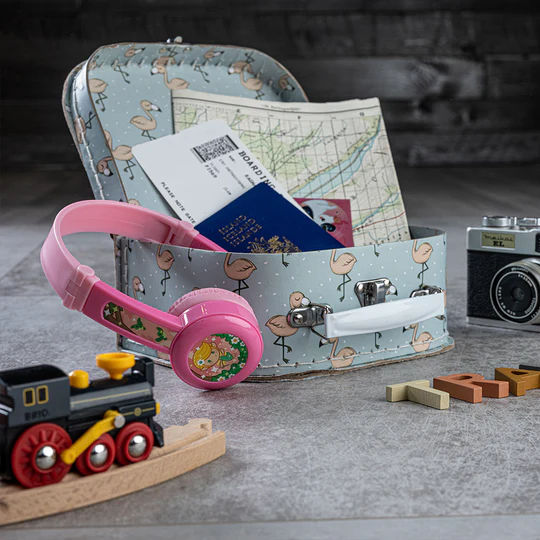
If there’s a single name that comes up again and again in parenting forums, it’s BuddyPhones. Parents describe them as “the cockroach of kids’ headphones” — they just won’t die. The Explore+ model is designed for toddlers and young kids, with strict volume caps and bright, kid-friendly designs. They’re not the most stylish or compact, but for under $40, they’re reliable and safe. The biggest complaint? They’re not foldable, so they hog space in a bag.
CozyPhones:
Headband Headphones
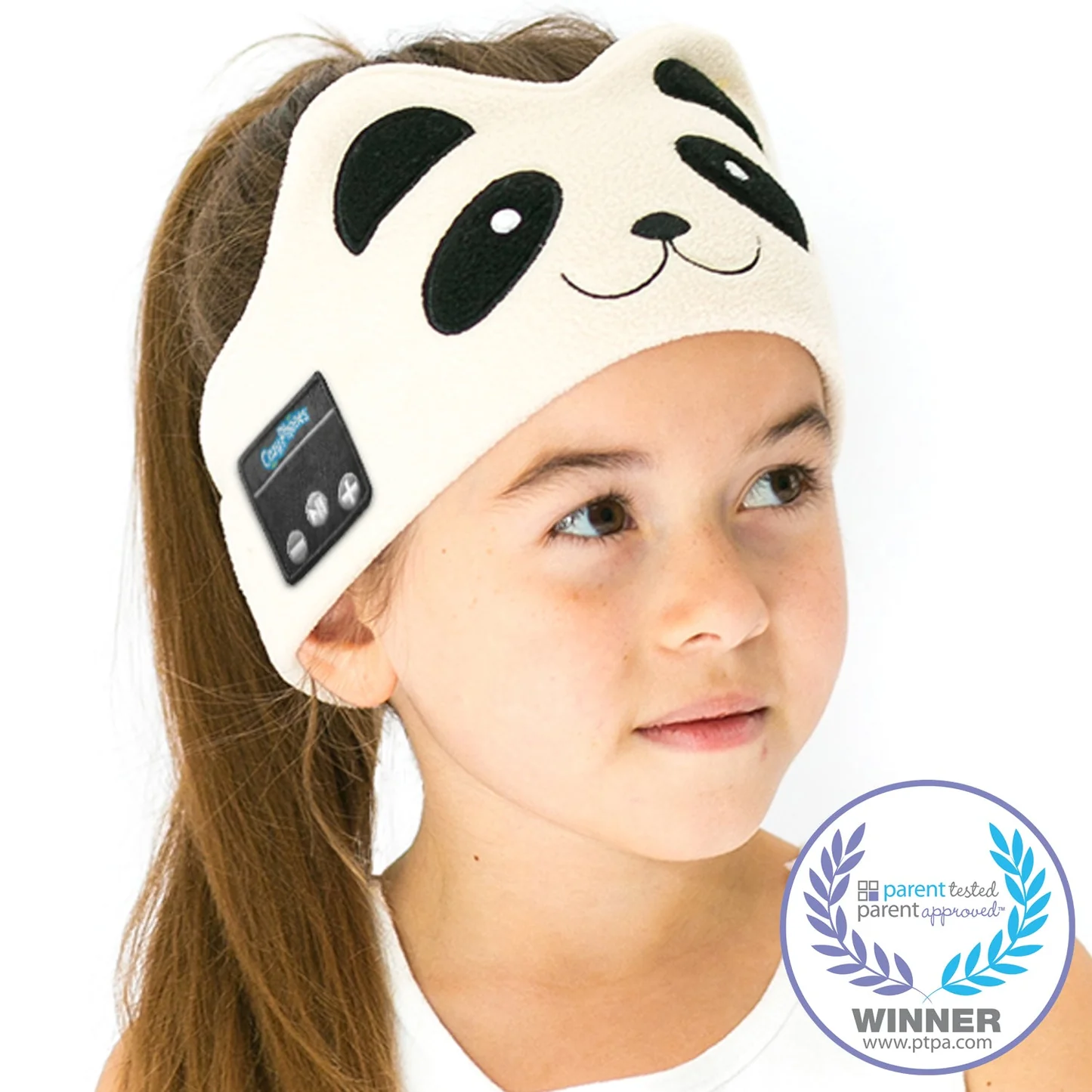
For kids who hate clunky over-ear headphones, CozyPhones are a clever alternative. They look like a soft fleece headband, with flat speakers sewn inside. Parents swear by them for travel because toddlers are more likely to tolerate something soft on their head, especially when trying to sleep on flights. The band doubles as a sleep mask, which helps block out cabin light. They’re also washable, which is a blessing when you’re dealing with sticky toddler fingers.
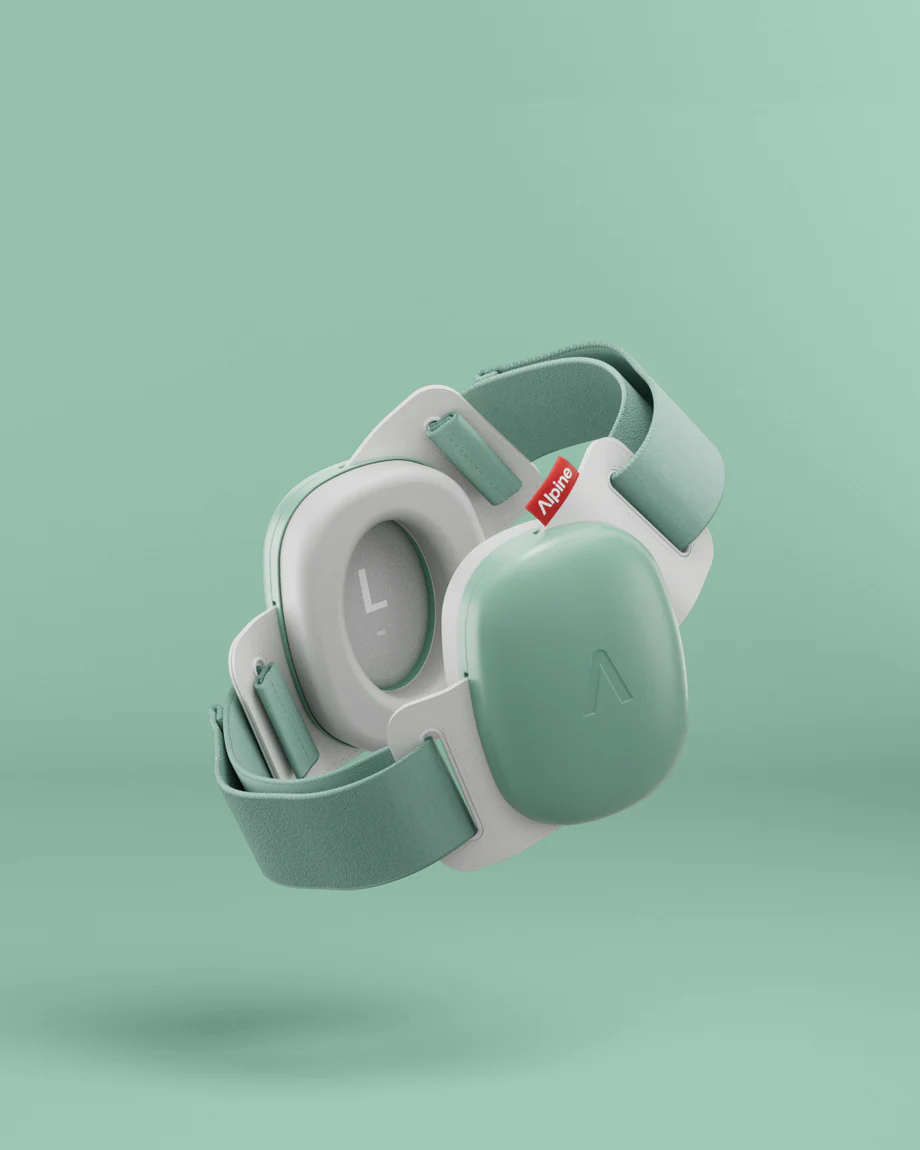
Alpine Muffy:
Baby Earmuffs
Technically not headphones, but worth mentioning. These earmuffs don’t play music at all. They’re designed to protect infants and young toddlers from loud environments. Parents use them at airports, concerts, festivals, or even just busy city streets when overstimulation is an issue. They’re lightweight and designed to avoid pressure on a baby’s soft spots, which makes them more comfortable than generic earmuffs.
Of course, they won’t keep your child entertained with sound, but they will keep them calm and protected. Many parents pack them alongside regular headphones, just for situations where silence is the best gift you can give a baby.
For Young Kids (5-8 Years)
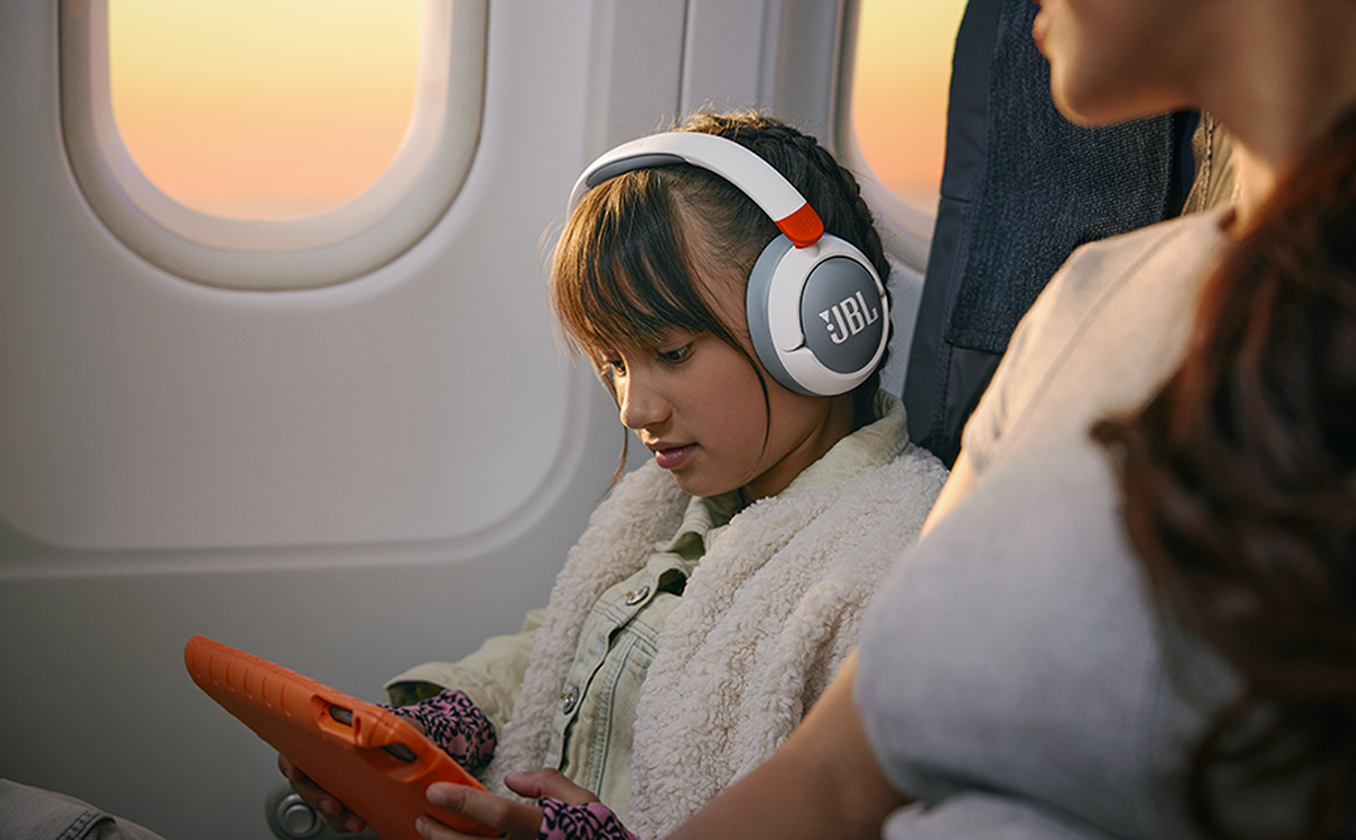
JBL Junior
JR310BT
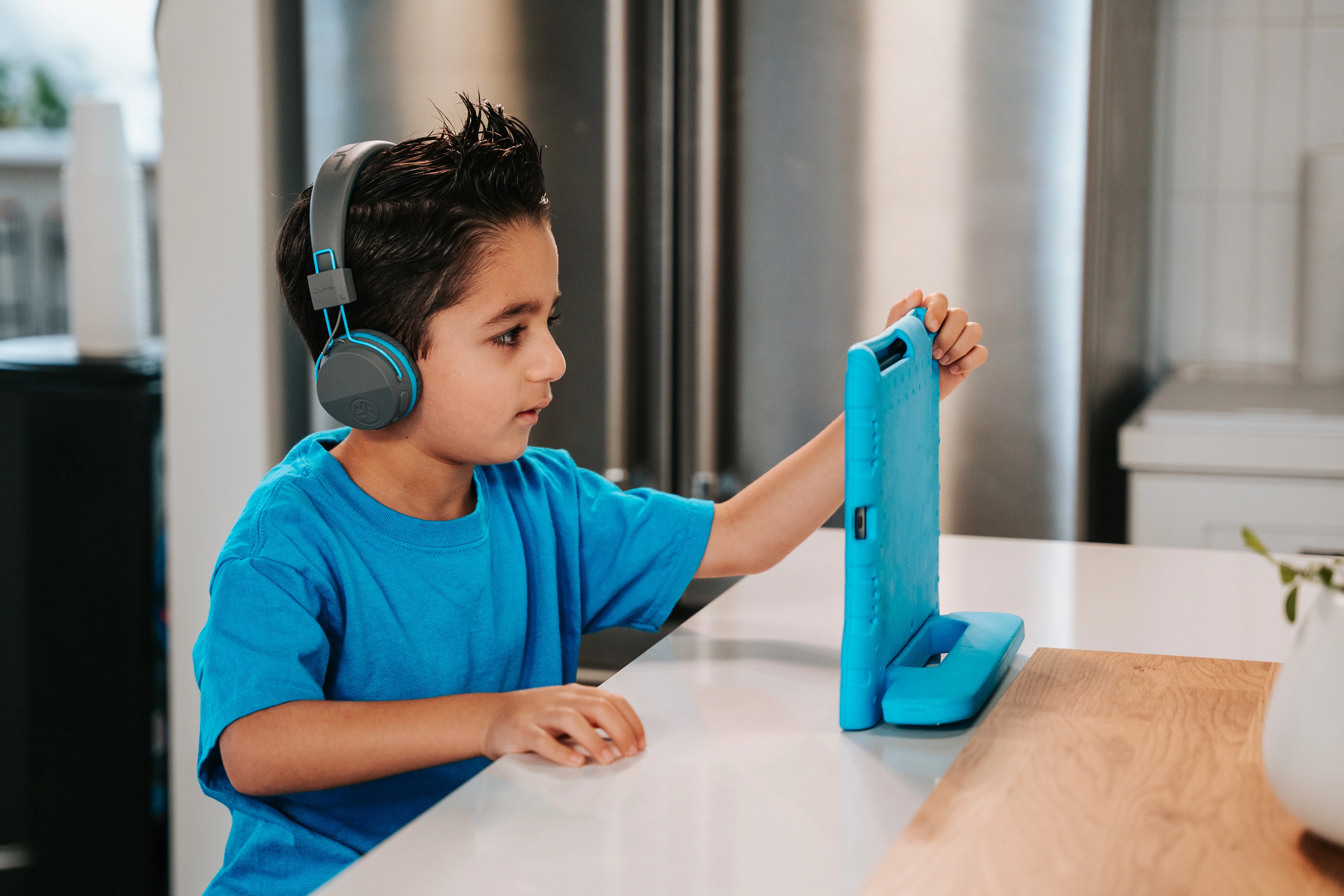
By this age, kids can handle longer stretches of entertainment, and JLab’s JBuddies hit the sweet spot between affordability and function. They’re foldable, which makes them easy to toss in a carry-on, and they come in both wired and wireless models. Parents like that they feel sturdier than bargain-bin headphones but don’t cost as much as premium brands. For short- to medium-haul flights or car trips, they’re more than enough.
JLab JBuddies:
The dependable all-rounder
By this age, kids can handle longer stretches of entertainment, and JLab’s JBuddies hit the sweet spot between affordability and function. They’re foldable, which makes them easy to toss in a carry-on, and they come in both wired and wireless models. Parents like that they feel sturdier than bargain-bin headphones but don’t cost as much as premium brands. For short- to medium-haul flights or car trips, they’re more than enough.
Onanoff BuddyPhones
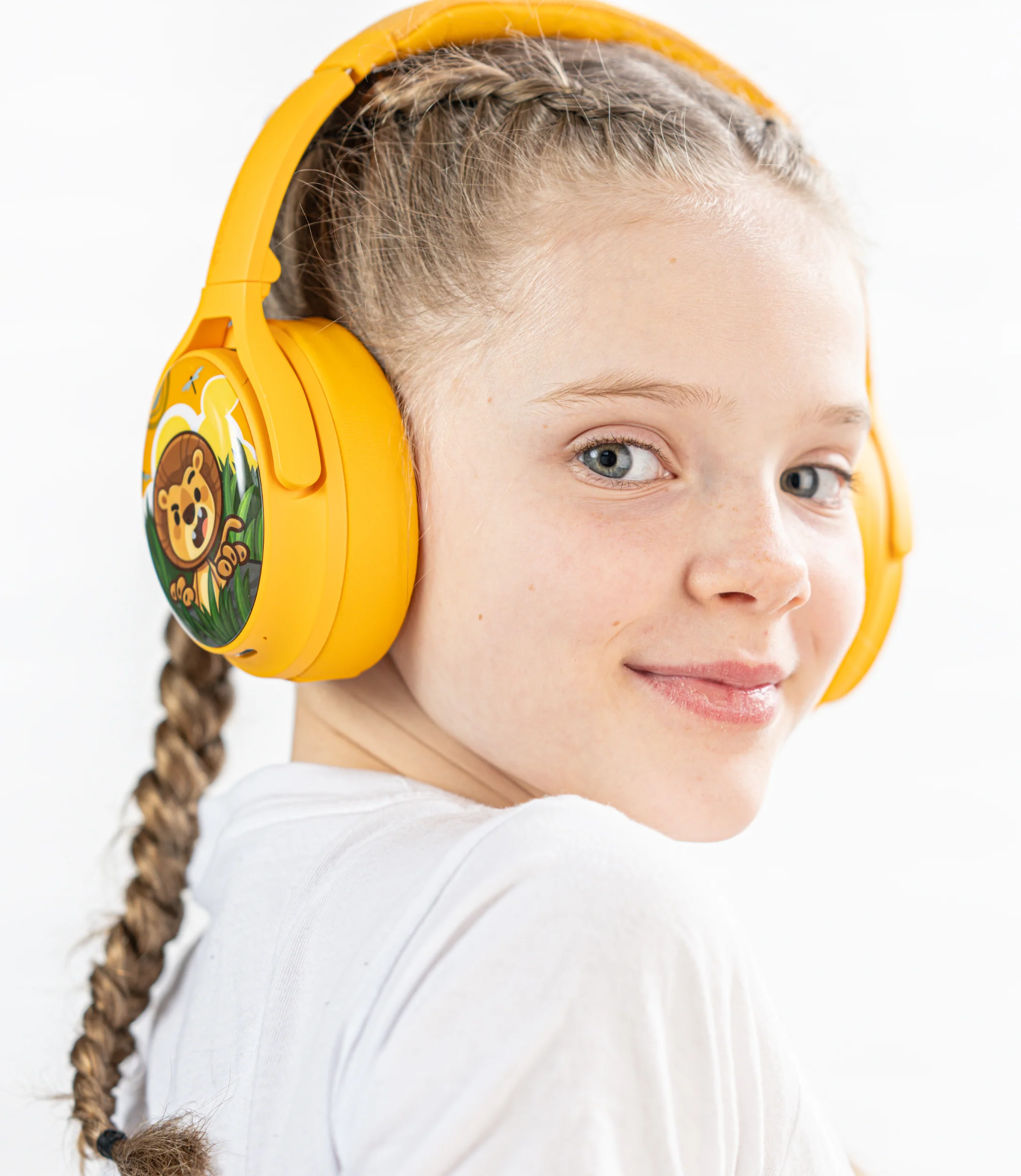
Cosmos+
This is the “level-up” model for families who travel often. They come with features usually reserved for adult headphones: active noise cancellation, wireless connectivity, foldable design, and even a hard case. Parents love them for flights because the noise cancellation means kids don’t crank the volume just to hear over the engine. The volume limiter still keeps things safe, and the foldable design makes them easy to pack.
The downside is the price. At over €60, they’re definitely an investment, and they’re bulkier than basic models. Some parents say they’re too heavy for very young kids. But for frequent travelers, they’re worth it. They’re a true travel headphone.
For Older Kids (9-12 Years)
iClever BTH12
Wireless on a Budget
This is a budget-friendly wireless option that’s gained popularity for its fun LED lights and reliable performance. Kids love the novelty of lights that flash while they listen, and the battery life is surprisingly solid (around 20 hours). Parents appreciate that they’re affordable, making them a low-risk purchase. On the downside, they’re not as durable as premium models, and the LED gimmick can wear thin. But as an entry-level wireless headphone for older kids, they’re a crowd-pleaser.

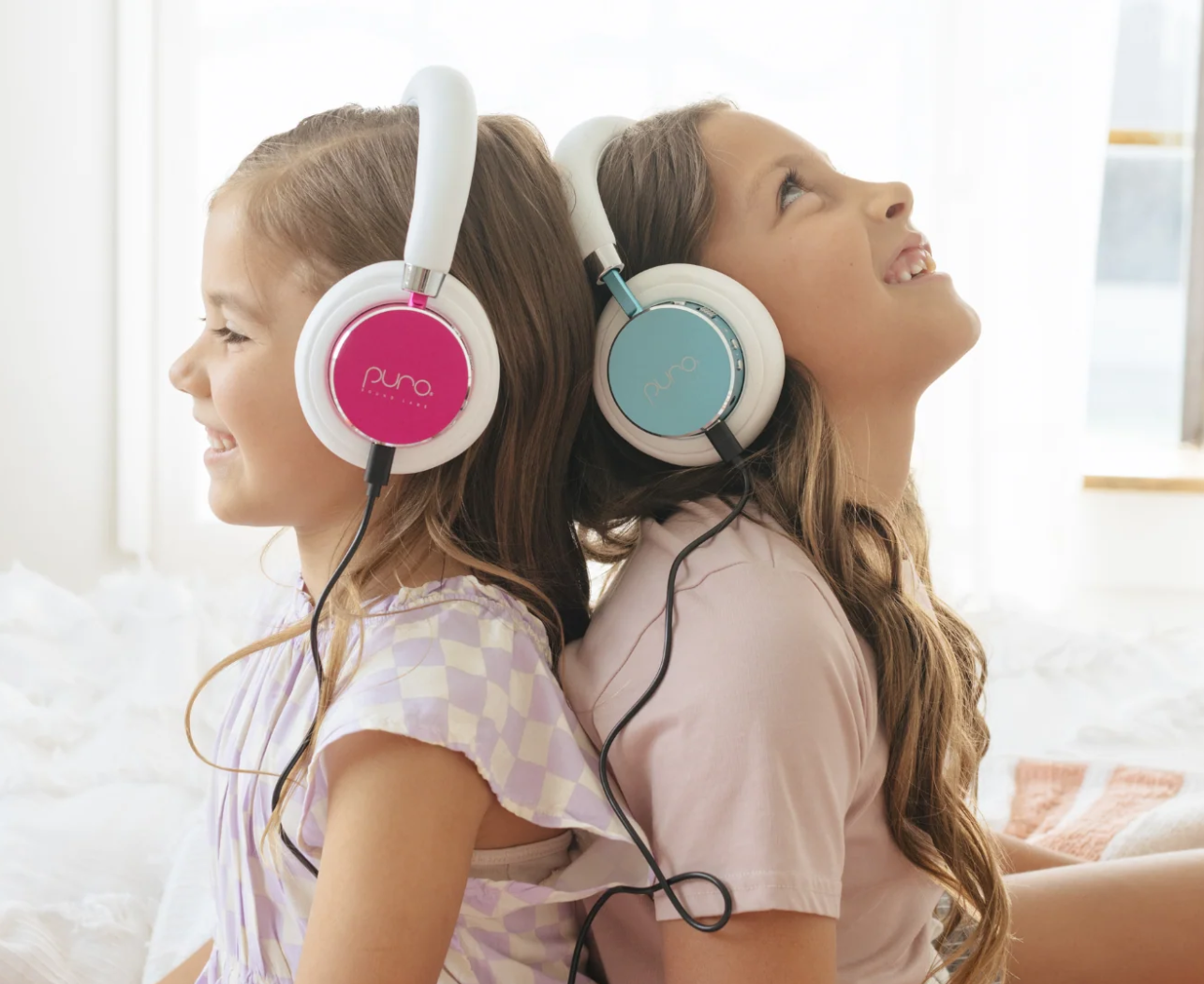
Puro Sound Labs BT2200:
The premium choice
On the opposite end of the spectrum is Puro Sound Labs. Their BT2200 is the darling of audiophile parents: sleek, wireless, with excellent sound quality and safe volume limits. They even come with a travel case, which many cheaper models skip. At around $100+, they’re an investment. But families who travel often say they’re worth it. The only downside is the price tag, especially if your child is still at the stage of losing or breaking everything.
Wired vs. wireless: the ongoing debate
Parents are divided on this, and both sides have war stories. Wired headphones are reliable — no batteries to die mid-flight, always compatible with in-flight systems, no Bluetooth hassles. But the cords tangle, get yanked, or fray after too much use. Wireless solves those problems but brings its own: you need to remember to charge them, and some airlines still restrict Bluetooth at certain points of a flight.
Many parents split the difference with hybrid models: wireless for daily use, but with a detachable cord for flights. It’s one of those little details that makes life easier when you’re juggling too many moving parts.
Mistakes parents admit
Parents are honest about their headphone fails. Some forgot the two-prong airplane adapter and ended up paying $15 for flimsy airline headphones onboard. Others handed over brand-new headphones mid-flight without testing them first, only to realize they didn’t fit their child’s head properly. Wireless-only models have died halfway over the Atlantic more times than parents care to admit. And plenty of families admit they bought flashy character headphones that their kids outgrew in six months — money wasted.
The lesson? Test at home, keep backups, and pick models that grow with your kids instead of ones they’ll reject in a year.
Comparison Chart:
Best Kids’ Headphones for Travel
Choosing the right headphones often comes down to features. Do you want wired or wireless? A foldable frame for easy packing? A hard case to stop them from being crushed in a carry-on?
To make things easier, here’s a quick comparison of 10 parent-recommended models. These are the headphones that keep coming up in travel forums, expert reviews, and best-seller lists. The chart highlights which are foldable, whether they support Bluetooth, what kind of volume limiting they offer, and who they’re best suited for (toddlers, younger kids, or older travelers).
Think of it as your shortcut: instead of scrolling through hundreds of Amazon reviews at 2 a.m., you can spot at a glance which models fit your child’s age, your trip type, and your budget.
| Model | Foldable | Bluetooth | Vol. Limiting | Share Port | Travel Case | Battery Life (hrs.) | Price Range | Best For |
|---|---|---|---|---|---|---|---|---|
| BuddyPhones Explore+ | No | No | 85dB | Yes | Optional | N/A | $ | Toddlers |
| BuddyPhones Cosmos+ | Yes | Yes | 85dB | Yes | Yes | 20 | $$$ | All Ages |
| Puro Sound Labs BT2200 | Yes | Yes | 85dB | No | Yes | 20+ | $$$ | Older Kids |
| JLab JBuddies Studio | Yes | Hybrid | 85dB | Yes | No | 13 | $$ | Younger Kids |
| Snuggly Rascals Headband | No | No | 85dB | No | No | N/A | $ | Toddlers |
| LilGadgets Untangled Pro | Yes | Yes | 94dB | Yes | Yes | 12 | $$ | Older Kids |
| Onanoff PlayEars+ | Yes | No | 85dB | Yes | No | N/A | $$ | Younger Kids |
| JBL Junior JR310BT | Yes | Yes | 85dB | No | No | 20 | $$ | Younger Kids |
| iClever BTH12 | Yes | Yes | 85dB | No | No | 20 | $ | Older Kids |
| Belkin SoundForm Mini | No | No | 85dB | No | No | N/A | $ | Budget/Backup |
Wrapping it up: Sanity in the Skies
Good headphones won’t magically make kids love flying — but they will make travel smoother. The right pair lets your kids escape into their movies or music, protects their hearing, and buys parents a few hours of peace. And when you’re traveling with kids, a few hours of quiet is priceless.
Instead of chasing the cheapest option or the flashiest design, choose a pair that balances safety, comfort, and durability. Your fellow passengers and your future self will thank you.
Too Long? Here are the most common questions we’re asked.
Experts recommend capping volume at 85 decibels for prolonged listening.
Yes, but some airlines require Bluetooth to be switched off during takeoff and landing.
Durable, lightweight models like BuddyPhones Explore+ or soft headband styles like Snuggly Rascals.
Choose foldable models with cases, braided or replaceable cords, and test them at home before flying.
For frequent travelers, yes. They’re more durable, comfortable, and often last years.