Travel Sickness in Children: What Parents Need to Know
Why travel sickness hits kids hardest
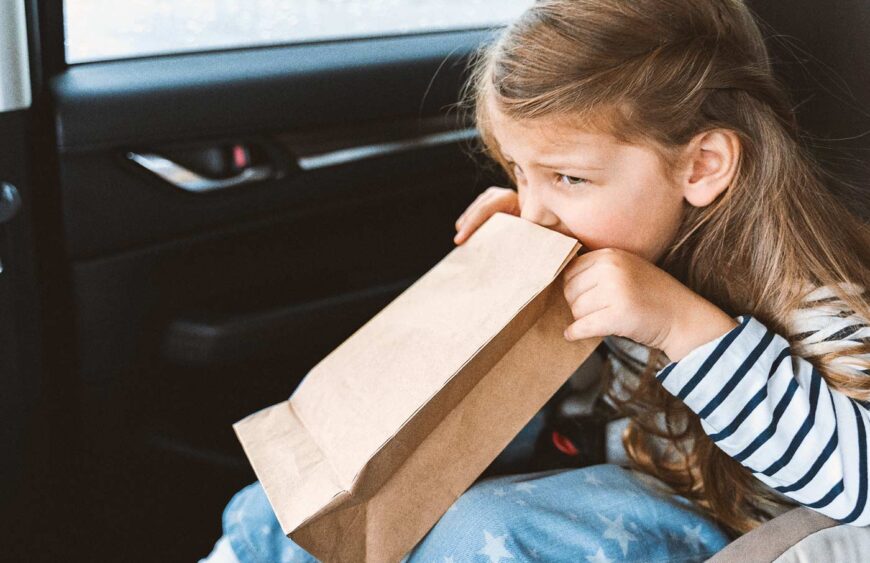
It feels unfair, doesn’t it? You finally get everyone in the car, the bags are packed, the snacks are ready and within an hour someone in the backseat is pale, clammy, and whispering “I don’t feel good.” Motion sickness is brutal on family trips because kids are both more prone to it and less able to manage it.
Travel sickness happens when the brain gets mixed signals. The eyes say “we’re not moving” (staring at a book, tablet, or the back of the seat), while the inner ear says “we’re moving fast.” The brain tries to make sense of it and ends up triggering nausea. Adults can usually anticipate it, but kids just get blindsided and once nausea sets in, the whole trip feels like survival mode.
Recognizing the signs early
Kids don’t always have the words to explain what’s happening, so parents have to play detective. Travel sickness rarely starts with vomiting out of nowhere. Tthere are usually clues in the build-up. A child who was singing along to music five minutes ago may suddenly go quiet. You might see them yawning more than usual, even though they aren’t tired. Their face can turn pale or slightly green, and their forehead may start to sweat.
Some children complain of dizziness, headache, or stomach-ache before nausea fully sets in. Others get irritable, asking to stop more often or refusing food. Once you learn your child’s “tells,” you can act quickly. Opening a window, adjusting their seat, or handing them a light snack before the nausea peaks. Parents who ignore these early signs usually end up racing to find anything that sort of resembles a bag or pulling over on the side of the highway.
The trick is to remember that prevention is easier than dealing with a full-blown episode. Spotting the warning signs gives you a head start.
Prevention strategies that actually work
You can’t change the laws of biology, but you can help your child’s brain and body sync up better. The biggest tool you have is seating position. In a car, the middle seat in the back gives kids a forward-facing view, which helps their eyes and inner ear agree on the fact that they’re moving. In buses or trains, sitting near the front or directly over the wheels minimizes swaying and jolts that make sickness worse.
Airflow is another powerful tool. Fresh air reduces the build-up of warm, stuffy smells that often make nausea spiral. Even cracking a window or setting the air vents toward your child can calm their system before things escalate.
Distraction helps, but the type matters. Books and screens make the eyes focus on something still while the body is in motion, which worsens the sensory conflict. Instead, encourage kids to look out the window and focus on distant scenery like the horizon. This gives their brain the visual confirmation it craves.
Some families swear by travel bands or acupressure wristbands. The science is mixed, but many parents report they make a difference and since they’re cheap and side-effect-free, they’re worth adding to the toolkit.
Prevention Tips:
Try acupressure wristbands.
Seat kids in the middle (car) or front (bus/train)
Give them a clear view of the road ahead
Crack a window / use airflow
Encourage looking outside, not at screens
Food and drink tips for queasy travellers
What goes into your child’s stomach before and during travel matters more than most parents realize. An empty stomach can make nausea sharper, but a heavy or greasy meal almost guarantees a problem. The middle ground is light, bland foods that digest easily and don’t overwhelm the stomach. Crackers, pretzels, bananas, and dry cereal all fit this profile. They provide stability without triggering the queasy spiral that comes from heavy fats or strong Flavors.
Liquids are equally important. Dehydration worsens nausea, but chugging a full bottle of water in one go can slosh uncomfortably in a child’s stomach and make sickness worse. Small, steady sips of water or diluted juice are the sweet spot. Sugary sodas and dairy drinks (like milkshakes) are bad news. They fizz, curdle, and come back up in the most unpleasant ways and smells.
Why do remedies like ginger sometimes help? Ginger has natural compounds that can calm the digestive tract and reduce nausea signals to the brain. Ginger biscuits, chews, or even a mild tea can work, though not every child will go for the taste. Parents often find it’s worth experimenting at home before relying on it during a trip.
Food and drink tips:
Light, bland foods (crackers, bananas, pretzels)
Small sips of water or diluted juice
Avoid greasy, heavy meals before travel
Skip sodas, dairy, or too much sugar
Ginger-based snacks or drinks can help
Remedies and medications: what parents should know
When prevention isn’t enough, medications may be an option, but parents should always check with a paediatrician before trying anything new. Over-the-counter remedies like dimenhydrinate (Dramamine for kids) or diphenhydramine (Benadryl) can be effective, but they may cause drowsiness. Some children get paradoxical reactions (they become hyper instead of sleepy), so it’s wise to test at home first.
For frequent travellers or severe cases, a doctor might suggest prescription patches or stronger options. Always double-check dosages, especially for younger children.
Non-medication remedies are worth trying too. Peppermint candies, cool compresses, or even distraction techniques like a story, a song, an audiobook can sometimes ease symptoms enough to avoid full-blown nausea.
Comfort hacks that make a difference
Sometimes it’s not about what you pack, but how you set up the ride. Dress kids in light layers so they can cool down if they start sweating. Pack spare clothes in case of accidents. Nothing prolongs misery like sitting in soiled clothing. Always keep a roll of bags in easy reach: for trash, wet clothes, or sick emergencies.
Bring a few comfort items too. A familiar blanket or stuffed animal can calm nerves, which often makes nausea worse. Having an “in-case kit” with wipes, paper towels, and hand sanitizer ready in the front seat prevents a small episode from turning into a car-wide crisis.
When to see a doctor about travel sickness
Most motion sickness in kids is self-limiting. It’s uncomfortable but not dangerous. Still, there are times when it’s worth checking in with your paediatrician. If your child vomits so often they become dehydrated, that’s a red flag. If they refuse to eat or drink on every trip because they associate travel with nausea, that can affect growth and nutrition.
Recurrent or unusually severe symptoms should also be discussed. If your child gets dizzy or nauseous even when not traveling, it may point to inner ear issues or other conditions worth ruling out. Likewise, if you’ve tried common remedies and nothing helps, your doctor may suggest prescription options.
Finally, ask about medication before you self-administer over-the-counter options. Some remedies aren’t suitable for younger children, and dosage matters. Paediatricians can guide you on what’s safe, what’s worth trying, and what side effects to watch for. You don’t want to just try to mask the problem. You want to find an approach that keeps your child healthy and your family trips possible.
Less misery, more miles
Travel sickness in children is frustrating, but it doesn’t have to ruin family adventures. The key is being proactive: recognize the signs early, use prevention strategies, keep food light and simple, and carry a few remedies just in case.
Even when nausea hits, being prepared with wipes, bags, spare clothes, and a calm response. This keeps the situation manageable. You never want your kid to feel bad about messing up the road trip AND making a mess of the back seat. The calmer and reassuring you are towards your kid, the better the situation will be. Kids may never love long drives or bumpy bus rides, but with the right approach, they can get through them without turning every trip into a disaster. And you might just find that your next family journey feels more like an adventure and less like an endurance test.
Too Long? Here are the most common questions we’re asked.
Most children improve by their teens, but some remain sensitive into adulthood. Younger kids (2–12) are most affected.
Yes. Staring at screens or books increases the sensory mismatch. Looking outside helps prevent nausea.
Yes. Ginger and peppermint are popular low-risk options, though results vary. Fresh air and distraction also help.
Yes. Over-the-counter remedies like Dramamine Kids can be effective, but always consult your pediatrician first.
In cars, the middle back seat with a clear forward view is best. On buses or trains, sit near the front or over the wheels.