Road Trip Safety: What Families Need to Know
Safety is the part no parent wants to overlook
Family road trips are about fun. The playlists, the snacks, the random roadside adventures. But none of that matters if safety gets pushed aside. Parents often obsess over entertainment or snacks but forget that long stretches of driving with kids come with their own set of risks.
Safety isn’t just about strapping everyone in at the start and hoping for the best. It’s about planning for fatigue, organizing the car so essentials are within reach, and being ready for both the predictable and the unexpected. A few smart precautions can make the difference between a trip that feels secure and one that spirals into close calls.
What you’ll find in this guide:
Seatbelt and car seat rules that can’t be skipped
Fighting driver fatigue before it starts
Safe driving habits on family road trips
Driving in different cultures
Dealing with Road Rage
Keeping the car organized for safety
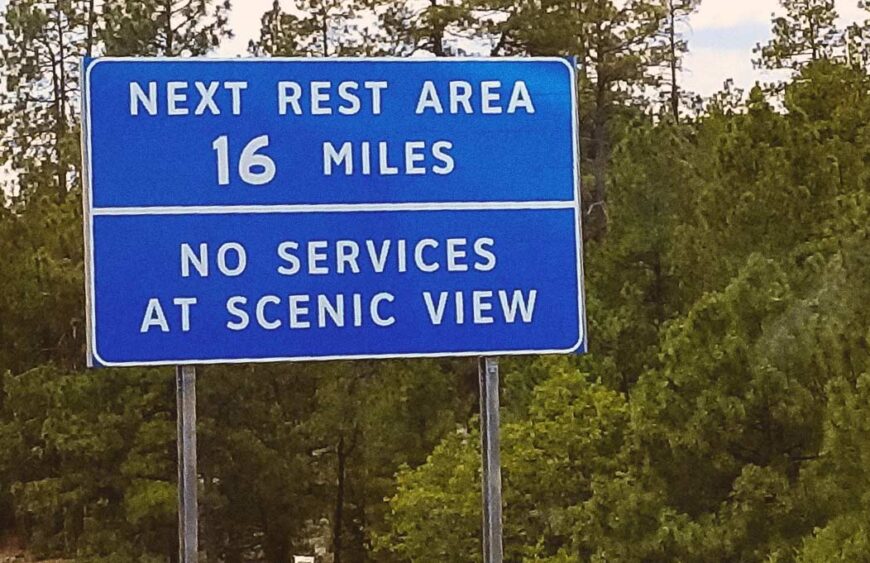
Choosing safe places to stop along the way
Safety tips at Hotels
Seasonal hazards and how to prepare
Safety as the foundation for fun
FAQ’s
Seatbelt and car seat rules that can’t be skipped
It sounds obvious, but parents underestimate how often kids wriggle out of proper restraints during long drives. Older kids loosen belts, younger ones slide arms out of straps, and toddlers somehow invent Houdini-level escapes from car seats. The temptation is to let it slide “just for a little while,” but in an accident, those little cheats matter.
Before leaving, double-check that every seat is properly installed and that belts fit snugly. Booster seats are often forgotten for kids in the “in-between” stage, but laws (and crash tests) are clear: kids need them until they reach the height and weight where belts fit properly. Remind kids that seatbelts aren’t optional. They’re the ticket to being on the road at all.
Car Seat Safety checklist:
No “arms out” or loosening straps mid-drive
Check car seat installation before leaving
Keep harnesses snug, not loose
Booster seats for kids until belts fit properly
Fighting driver fatigue before it starts
One of the biggest risks on family road trips isn’t kids in the back, it’s the parent behind the wheel. Fatigue is as dangerous as drunk driving, yet parents often push themselves too far, trying to “make good time.” Add kids demanding snacks or bathroom breaks, and you’re just asking for mistakes.
The solution is planning breaks before exhaustion hits. Schedule stops every 2–3 hours, even if nobody is begging yet. Rotate drivers if possible, and don’t underestimate the reset power of an overnight stop instead of a marathon drive. In Overnight Road Trips with Kids: How to Make It Work, we talked about how rest isn’t just about comfort, it’s also about safety.
Coffee helps, but it’s no substitute for sleep. If you feel drowsy, pull over. A short nap is better than white-knuckling through another two hours with your eyelids heavy.
Drowsy Driver checklist:
Don’t drive drowsy. Pull over.
Plan breaks every 2–3 hours
Rotate drivers if possible
Choose overnight stops for long routes
Safe driving habits on family road trips
Family road trips test patience. Kids are loud, distractions multiply, and highways demand attention. That’s why safe driving habits matter even more than usual. Keep phones mounted, not in your hand. Set navigation and music before you move, not while driving. And resist the urge to reach back and referee fights mid-lane.
Speeding is another silent hazard. Parents sometimes want to “make up time” after a delay, but accidents are more likely when you’re pushing the limit. The safer approach? Build flexibility into your itinerary so you don’t feel pressure to rush.
And here’s a big one: never rely on kids to “spot hazards” or warn you about things you missed. Their job is to be passengers, not copilots. Your focus has to be on the road, even if the backseat is begging for help with the juice box.
Driving safely in different cultures and countries
Road trip safety also means adjusting to local driving styles. In some countries, defensive driving is the norm and drivers leave space, follow rules, and expect others to do the same. In others, the culture leans more “offensive” faster lane changes, tighter merges, and honking as communication. Neither is right or wrong, but not adapting can put your family at risk.
Before heading abroad, research local road customs and laws. Are headlights required at all times? Is overtaking on the right illegal? Are seatbelt laws strictly enforced? Travel forums and official tourism sites can give you a quick sense of what to expect.
When in doubt, stay calm and predictable. Stick to speed limits, avoid aggressive maneuvers, and give yourself extra time. If you’re not comfortable in a situation like chaotic city traffic, maybe consider public transport for that stretch instead of driving yourself.
Quick reminder list:
Avoid high-stress city driving if you’re not confident
Research local driving laws and norms in advance
Adapt to local styles (defensive vs. assertive)
Stay predictable: steady speed, clear signals
Dealing with road rage (staying calm and keeping kids safe)
Road rage thrives on time pressure and ego. Two things family trips have in surplus. Your job isn’t to win the road; it’s to de-escalate with cargo (kids) on board. Prevention starts before the engine turns: build buffer time into your itinerary so you’re not tempted to “teach someone a lesson” after a delay. Put your phone on Do Not Disturb while driving, set the playlist and navigation before you roll, and agree with your co-parent that you won’t narrate or relive aggravations while driving. Rehearsing anger keeps it alive.
When someone cuts you off or tailgates, don’t engage: no eye contact, no gestures, no brake-checking. Signal early, change lanes or let them pass, and increase your following distance to give yourself more reaction time. If an aggressive driver sticks with you or you feel targeted, pull into a busy, well-lit area like a service station or a rest stop. If you fear a confrontation, stay in the car, lock doors, and call local emergency services. If you need to, drive to a police station if one’s close. A dashcam can be reassuring, but remember it’s for evidence, not for you to play traffic cop.
Model what you want kids to learn. A simple script like “That driver’s having a bad day” or “our job is to keep everyone safe” teaches emotional control. After you’re stopped, do a quick reset. Drink some water, stretch, take three deep breaths, before merging back. Your nervous system and your passengers’ will thank you.
Road rage checklist:
Consider a dashcam for evidence; debrief calmly with kids.
Build time buffers; set nav/playlist before driving.
No engagement: no eye contact, gestures, or brake-checks.
Let them pass; increase following distance; change lanes early.
If followed: go to busy, well-lit place; lock doors; call for help.
Keeping the car organized for safety
Clutter in the car isn’t just an annoyance. It can be downright dangerous. A tablet left loose on a seat becomes a projectile in a sudden stop. A bag of toys at your feet can wedge under the brake pedal. Even everyday mess like bottles and wrappers makes it harder to stay focused.
That’s why organization isn’t just about neatness; it’s a safety measure. Use seat-back organizers, bins, and designated “zones” for snacks, toys, and tech. Heavy items should always go in the trunk, not the cabin. Essentials like wipes, water, and chargers should be within easy reach so you’re not twisting around while driving.
This ties back to Packing the Car: What Families Always Forget: how you pack is just as important as what you pack.
Organizational checklist:
Secure heavy items in the trunk
Use seat-back organizers or bins for small items
Keep essentials within arm’s reach
Clear the floor of clutter that can block pedals
Choosing safe places to stop along the way
Not all stops are equal. Gas stations in deserted areas, dark rest stops, or isolated parking lots aren’t ideal for families. Choose well-lit, busy stops with bathrooms, food, and space for kids to stretch safely.
Apps and maps can help you find playgrounds or parks near highways, turning a safety break into something fun. In Family-Friendly Roadside Stops Worth Planning, we dug into how the right stops not only reset moods but also reduce risks. Parents traveling solo with kids may want to call ahead or plan more deliberately to avoid sketchy situations after dark.
Trust your instincts: if a stop feels unsafe, keep driving until you find one that doesn’t.
Practical safety tips when parking at hotels and motels
The driving is over, but safety decisions aren’t. Hotel and motel car parks are where parents relax their guard exactly when you still need a plan. Start by choosing visibility over convenience: well-lit spots near the entrance or under cameras reduce opportunistic break-ins. If you’ve got a packed trunk, use a cargo cover or blanket; don’t let your car advertise “mobile storage unit.”
Inside the property, room location matters. Many safety pros suggest requesting a floor that’s above ground level but not too high. Think 2nd–6th. These typically have less foot traffic and smash-and-grab risk than ground floor, while still close to stair exits if alarms go off. In exterior-corridor motels, ask for a room closer to the lobby or main thoroughfare where there’s more activity and lighting.
At check-in, keep your room number private. Gesture to the key sleeve rather than saying it aloud and confirm the safest way to your room via a well-lit path, and know the elevator location. Once inside, lock the deadbolt and latch, and add a compact door wedge if you carry one. Check that the adjoining door (if any) is firmly locked on your side, and do a fast sweep: windows/balcony locks engaged, smoke detector present, the route to the stairwell noted. You can count doors with kids as a game. If you’ve got little climbers, move chairs away from balconies or windows and set a “no balcony without a grown-up” rule.
Nighttime setup is simple but powerful: keep a grab-and-go kit with keys, wallet, phone, a small flashlight, and meds by the door. Stash passports and electronics in the room safe or out of sight. Solo parents can ask for a luggage cart or bell help so kids aren’t standing alone in a lot while you ferry bags to and from the car to the hotel.
Hotel Safety checklist:
Go-bag by door; valuables in safe/hidden; one-trip unload if solo.
Park in well-lit, visible spots near entrances/cameras; hide luggage.
Request 2nd–6th floor (hotel) or near lobby (motel) when possible.
Keep room number private; confirm lit route to room.
Deadbolt + latch, door wedge; lock adjoining door, windows/balcony.
Child-proof: move furniture from windows/balcony; set rules.
Seasonal hazards and how to prepare
Every season adds its own safety challenges. In summer, heatstroke and dehydration are real risks, especially for kids left in hot cars even briefly. Pack extra water and use sunshades to keep the backseat cooler. And obviously don’t leave your kids in the car.
Winter brings ice, snow, and breakdown risks. Blankets, gloves, and a small shovel belong in the car if you’re driving through cold regions. Spring and fall may not look threatening, but sudden storms can reduce visibility or create slippery roads.
The goal isn’t to overpack for every scenario but to think ahead based on your route and season. A family road trip through Arizona in August needs a different kit than one through the Alps in December.
Safety as the foundation for fun
Road trips are meant to be fun, but safety is what makes them possible. Seatbelts, car seats, and organized packing aren’t just rules, they’re what give you the peace of mind to enjoy the journey. Planning breaks prevents fatigue, choosing safe stops keeps everyone comfortable, and preparing for seasonal hazards means fewer surprises.
When parents put safety first, the rest of the trip can fall into place. Because the best memories don’t come from racing down the highway stressed and distracted they come from knowing you’ve got the basics covered so you can actually enjoy the ride.
Too Long? Here are the most common questions we’re asked.
Every 2–3 hours. Even short breaks reduce driver fatigue and give kids a chance to stretch.
It depends on height, not age. Kids usually need boosters until at least 135–150 cm (check local laws).
Skipping booster seats, letting kids unbuckle mid-drive, driving while fatigued, and packing the car unsafely.
Well-lit, busy areas with bathrooms, food, and safe spaces to stretch. Avoid isolated or dark stops.
Use sunshades, pack extra water, and never leave kids in the car even for a few minutes