When your family road trip stretches beyond a single day
Every parent has been there: staring at the map, wondering if it’s possible to push through and do the drive in one day. On paper, maybe it looks manageable. But kids don’t travel like adults. Their energy levels crash unpredictably, their patience evaporates quickly, and their needs for food, bathroom breaks, and movement simply can’t be ignored for hours on end.
Families often find themselves calculating the drive time as if it were only about the road, forgetting that children add an entirely different rhythm to the journey. A drive that takes seven hours according to GPS might actually be closer to ten or twelve once all the unplanned stops are counted. And by that point, parents are worn thin, kids are overtired, and everyone arrives at the destination already dreading the next trip.
That’s why an overnight road trip can be a bit of a relief. Breaking the journey into several parts isn’t admitting defeat. It’s creating breathing room. Parents can drive more safely, kids can rest in a real bed instead of an awkward car seat, and the family arrives the next day refreshed instead of frazzled.
What you’ll find in this guide:
Why overnight road trips can be a better option
Choosing the right place to stop for the night
How to handle kids’ sleep routines on the road
Packing smart for an overnight stay
Making the stop part of the adventure
Staying safe during overnight trips
How to start fresh the next morning
FAQ
Why overnight road trips can be a better option
There’s a temptation to “just power through” on road trips. Parents imagine saving money on hotels and saving time by arriving sooner. But the reality is that children don’t share that same drive to cover miles. They live in the moment. When they’ve had enough, they’ve had enough. And they’ll let you know.
Splitting the journey over two days spreads out the stress. It means you’re less likely to have that moment three hours from your destination where the kids are screaming, you’re exhausted, and the GPS is taunting you with a number you can’t imagine enduring. Instead, you end the day with everyone stepping out of the car, stretching their legs, and transitioning into a new environment.
It also addresses one of the classic mistakes from Common Road Trip Mistakes Families Make: relying on car naps to save the day. Car sleep is often poor-quality sleep, and kids can wake up crankier than before. By planning an overnight stop, you don’t have to gamble on whether your child will nap in the car and you can count on them getting proper rest before continuing.
And let’s not underestimate parent fatigue. Studies show driving while exhausted can be as dangerous as driving under the influence. When you split a long haul into several parts, you’re protecting not just your sanity but your safety too.
Choosing the right place to stop for the night
The overnight stop is more than just a box to check. Where you stop can make or break the trip. Many families default to the first hotel they see near the highway, only to discover that trucks are roaring past the window at all hours or that the “family-friendly” motel doesn’t actually have cribs or high chairs available. And the ones they do, look like you probably shouldn’t have asked to begin with.
When planning, think strategically. You want somewhere that’s:
- Close to food options: dragging overtired kids through a long search for dinner is misery.
- Safe and quiet: a well-lit, well-reviewed area is worth the extra ten minutes off the highway.
- Kid-friendly: pools, breakfast included, or even a small play area can turn a stop into part of the adventure.
Families on a budget sometimes worry about the added cost of a hotel, but this is where planning comes in. As we’ll touch more in Budgeting for Road Trips with Kids, stopping in smaller towns instead of big cities can mean cheaper rates and more space. Some parents even build the overnight into the trip’s destination by choosing a halfway point that has attractions worth visiting so the stop feels like part of the journey, not an interruption.
For families who prefer rentals, apartments or Airbnbs can be great for keeping routines, especially if kids need separate sleeping spaces or you want access to a kitchen. Just be sure to book in advance; trying to find availability with kids melting down in the backseat at 9 p.m. is a just asking for a disaster.
How to handle kids’ sleep routines on the road
Bedtime is often the hardest part of overnight road trips. Kids thrive on predictability, and a sudden change like a strange bed, bright lights, noisy neighbours, can throw everything off. Parents who skip routines because “it’s just one night” often pay the price the next day with cranky, sleep-deprived kids.
The best way to handle this is to keep as many cues as possible consistent. Bring the bedtime storybook, the same pyjamas, the white noise machine, or the stuffed animal that helps your child fall asleep at home. Even something as small as brushing teeth in the same order or singing the same lullaby can signal to kids that it’s time to settle down.
Light and noise are the biggest culprits. Pack a portable blackout curtain or use clips to pin hotel curtains shut, and keep a nightlight handy if your child is used to one. Earplugs or white noise apps can help drown out traffic or hallway sounds.
And don’t forget yourself. Parents also need rest. It’s tempting to stay up doom-scrolling or repacking, but the whole point of an overnight stop is to arrive fresh the next day. Keeping the evening calm and familiar gives the entire family the best chance at real rest.
Packing smart for an overnight stay
One of the biggest pain points for families is arriving late at night and facing the mountain of luggage. Unloading everything because you can’t find the essentials turns what should be a relief into another exhausting chore.
The solution is simple: the “one-night bag.” This is your grab-and-go kit with exactly what’s needed: pyjamas, toothbrushes, a change of clothes, medications, bedtime items, and chargers. No digging, no unpacking half the trunk. If you have babies or toddlers, this also means diapers, wipes, and sleep sacks. Forgetting those in the car is the kind of slip parents always regret. We dive deeper into this kind of oversight in Packing the Car: What Families Always Forget.
Some families even prep small overnight bags for each child, letting older kids carry their own. It creates ownership and makes it easier to get everyone ready without sorting through a communal suitcase. The point is to simplify. Because at the end of a long day, you want the transition to bed to be smooth, and not another pointless battle.
Making the stop part of the adventure
Overnight stops don’t have to feel like interruptions; they can be experiences in their own right. For kids, sometimes the halfway point becomes the memory they talk about the most.
That might mean swimming in the hotel pool, getting ice cream at a local shop, or exploring a small town playground before bedtime. Parents who build these little moments into the plan often find the kids look forward to the stop instead of dreading it.
In fact, treating the overnight as part of the adventure reframes the whole trip. Instead of one long, punishing drive, it becomes two manageable days with a highlight in between. As we’ll explore in Family-Friendly Roadside Stops Worth Planning, choosing the right halfway points can transform the journey from endurance test to discovery.
Staying safe during overnight trips
Overnight road trips add a layer of safety considerations that daytime drives don’t. Beyond the basics of car seats and buckling up, parents need to think about where they’re stopping, how they’re parking, and what they’re bringing inside.
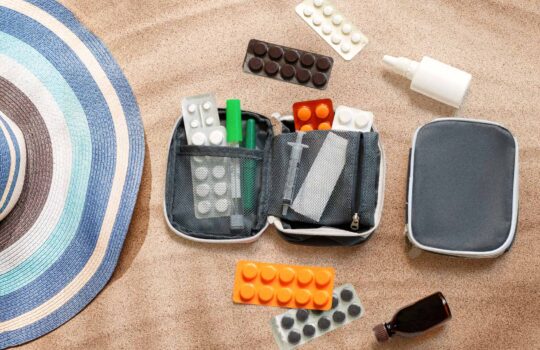
Always choose accommodations in well-reviewed, well-lit areas. Park the car where you can see it if possible, and never leave valuables inside. Especially essential documents like passports. It’s also smart to bring a mini safety kit into your room: a flashlight, first aid supplies, and any medications. If a child spikes a fever in the middle of the night, you don’t want to go rummaging through the trunk in a dimly lit parking lot at 2am. Been there. It’s not pretty. Terrifying actually.
Parents traveling solo with kids might feel nervous about late-night check-ins. Calling ahead to request a room close to the entrance or on a higher floor can add peace of mind. These small adjustments mean you start the second day feeling secure, not stressed.
How to start fresh the next morning
The whole point of stopping overnight is to wake up recharged. But mornings have a way of bringing out the worst in us and can derail quickly. Kids wake up hungry, parents are juggling check-out times, and suddenly everyone is frazzled again.
Make mornings smoother by planning them the night before. Keep clean clothes, breakfast snacks, and water bottles in the overnight bag so you’re not scrambling. Hotels with free breakfast are gold, but if you know your kids won’t eat waffles at 7 a.m., pack portable options like fruit, yogurt pouches, or granola bars.
Just as importantly, set expectations with kids. Instead of framing it as “more driving,” call it “day two of our adventure.” This mindset shift turns a dreaded continuation into something exciting. Kids mirror your attitude. If you’re upbeat, they’re far more likely to go along with it.
Overnight trips make the journey part of the fun
Overnight road trips with kids aren’t a backup plan for when you can’t handle long drives. They’re actually a smarter way to travel. They build in breathing space, protect everyone’s sanity, and open the door to small adventures along the way. And don’t forget, that’s the whole reason you’re doing this in the first place.
With the right stop, the right packing strategy, and the right mindset, the journey stops being a punishment and starts being part of the holiday itself. Some families even look back and realize the best memories weren’t at the destination at all, but in the small moments along the road.
Too Long? Here are the most common questions we’re asked.
For most families, anything over 7–8 hours of driving is best broken into two days. Younger children may need breaks even sooner.
Bring familiar bedtime cues like stories, stuffed animals, white noise. Stick to your usual rhythm as much as possible to help kids feel secure.
Pajamas, toiletries, fresh clothes, chargers, bedtime comfort items, and medications. A single “one-night bag” prevents unpacking chaos.
Plan a simple highlight: a swim, an ice cream walk, or a playground stop. These small adventures break up the drive and create memories.
Choose accommodations in well-lit, well-reviewed areas. Park smart, keep valuables with you, and bring a small emergency kit inside.