Here’s the funny thing about weather on Holidays.
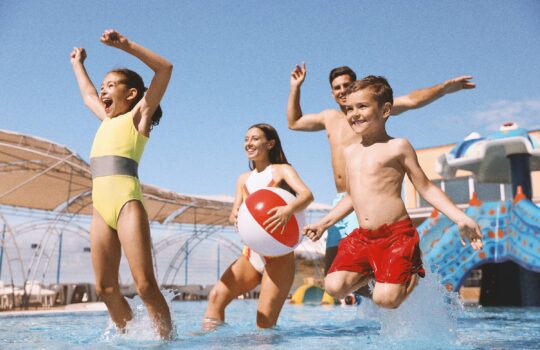
At home, you spend half your year begging the sun to show up for more than six minutes. But on holiday it seems to blasts down with all the enthusiasm of a toddler discovering the hotel minibar, and with the heat of a father discovering the bill. Kids love it, of course. They sprint toward the pool, lie flat on hot sand like tiny lizards, or insist the sun cannot hurt them because they are “not even hot.” Meanwhile you are desperately trying to keep everyone hydrated, shaded, and non-crispy.
Being safe in the sun is a combination of many factors. Sunscreen, heat, humidity, altitude, and the fact that kids lose track of time the moment they touch anything resembling a beach. You shouldn’t have to spend your holiday chasing them with lotion like a stressed-out lifeguard. So we want to help you to build a few simple habits into the day so sun exposure becomes something manageable instead of an ever-lurking threat.
Let’s walk through the practical steps parents actually use on trips, the ones that fit between naps, snacks, and finding that one missing flip-flop.
What you’ll find in this guide:
The sun is always stronger on holiday
Building a simple sun routine
Sunscreen tips you wish they knew
Shade, clothing, and smart timing
Hydration and heat: the forgotten ones
Keeping babies and toddlers safe
What to do after too much sun
Preparing before you travel
FAQ’s
The sun always feels stronger on holiday
Holiday destinations often have something your home climate does not: intense UV levels that come out of nowhere. Even moderate temperatures can hide very strong sunlight, especially near water or at higher altitude. Kids are more sensitive because their skin is thinner and because they do not notice they are getting burned until well after the damage is done.
Travel routines also make kids more vulnerable. Think about arrival days when everyone is tired, excited, and slightly dehydrated from the flight. Think about days when your family switches between pool, sightseeing, and playgrounds in quick bursts. This is the perfect recipe for sneaky sunburns and unexpected heat headaches.
Climate differences matter too. Many families travel from cooler countries straight into tropical humidity. The body needs time to adjust. This is something we cover in our guide on avoiding common illnesses while traveling, because kids often feel off on the first days when heat and sun hit harder than expected. Understanding the intensity helps you plan your days without turning the holiday into a weather report.
Building a simple sun routine that works anywhere
You do not need a complicated system. Just a repeatable rhythm that kids can follow. Most families use a three step routine: morning protection, midday caution, afternoon reset.
Morning protection
Before leaving your accommodation, apply sunscreen, dress kids in lightweight clothing, and pack water. Doing this before excitement begins makes life easier. No child wants to pause pool time for lotion.
Midday caution
The sun hits hardest between late morning and mid afternoon. This is the time to choose shade, visit indoor attractions, or take a slow lunch break. Even families who love the beach often retreat for a snack and a small rest.
Afternoon reset
Kids cool off faster in late afternoon, and so do adults. Reapply sunscreen before going out again, especially after swimming. Many parents forget this because the air feels cooler, but UV is still active until evening.
Keeping this routine steady feels natural once you repeat it a few times. And it pairs well with the tips in our heat safety guide, since hydration plays a major role in how well children handle sunshine.
Sunscreen tips parents wish they knew earlier
Sunscreen seems simple until you are applying it to a wriggling child who is already halfway to the pool. A few small adjustments to this annoying but essential routiene might make it far more effective.
Start with the right type. Use broad spectrum SPF 50 for young children. Lotions tend to cover better than sprays, especially in windy beach areas. Many families bring their preferred sunscreen from home to avoid guessing at unfamiliar brands or higher prices in touristy areas.
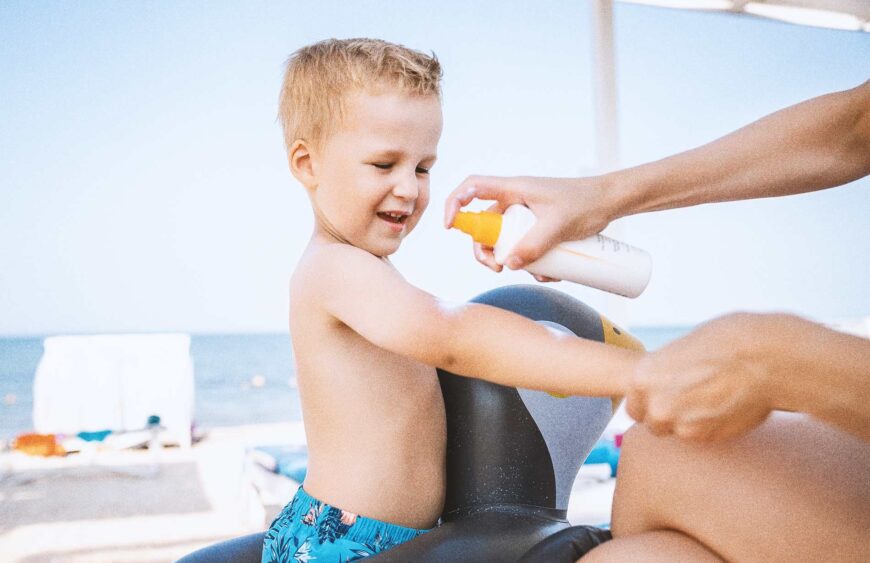
Apply generously. Most parents use far too little. A good rule is to apply until the skin looks slightly shiny, not matte. Do this fifteen to twenty minutes before going outside so it can settle properly. If you wait until you reach the beach, you will end up covered in sand like a a breaded piece of KFC chicken.
Make sure to Reapply every two hours and always after swimming. Even “water resistant” sunscreens lose strength faster with towels, sweat, and saltwater. A quick top up gives you peace of mind.
Check overlooked areas. Ears, necks, tops of feet, under swimsuit edges, scalp lines, and shoulders burn the fastest. Kids also burn while wearing swim shirts if the material shifts. A little extra insurance prevents the classic “striped sunburn” that appears on day one and haunts you the rest of the trip.
Shade, clothing, and smarter timing
Shade is your best friend. Look for umbrellas, trees, covered terraces, and indoor ice cream breaks. Shade does not make you immune to UV, but it reduces exposure dramatically.
Clothing helps even more. Lightweight long sleeves, rash guards, and wide brim hats protect skin better than sunscreen alone. Choose fabrics that breathe well and dry quickly so kids stay comfortable for longer. Bright colors also make children easier to spot in crowded beaches and pools. This connects with our post on child safety in busy tourist areas, where visibility is just as important as protection.
Timing matters. Plan beach or pool time early in the morning or late in the afternoon. These are calmer hours for both sun and crowds. Midday is perfect for naps, slow meals, museum visits, or simply relaxing indoors. Have a nice siesta. Your future-self will thank you for it.
If you must be outside at peak times, aim for partial shade and keep activities slower. Sitting under a canopy at a restaurant feels infinitely easier than hiking around ancient ruins under direct sun. We always like to book museum passes or indoor activities with A/C during this time. Book early though, you’re not the only one who thought of this.
Hydration and heat: the forgotten part of sun safety
Sun safety is not just about skin. It is also about temperature regulation. Kids dehydrate faster because they sweat more and burn energy quicker. Even mild dehydration can cause irritability, headaches, or nausea.
Offer water regularly. Force it if you have to. Do not wait for kids to ask because they often forget, or “don’t want it”. Most families keep a bottle within reach at all times. Flavored electrolyte tablets also help on very hot days, especially in tropical destinations.
Watch for signs of heat fatigue. Red cheeks, sluggish behavior, crankiness, or sudden quietness can all suggest a child needs shade and water. Our heat and hydration guide goes deeper into this, since heat related issues are among the most common challenges families face abroad.
Also pay attention to clothing in hot climates. Breathable fabrics matter. Thick cotton traps heat. Quick dry fabrics help kids cool down faster.
Keeping babies and toddlers safe in the sun
Babies need extra care. Their skin is extremely sensitive, and they cannot regulate heat as well as older kids.
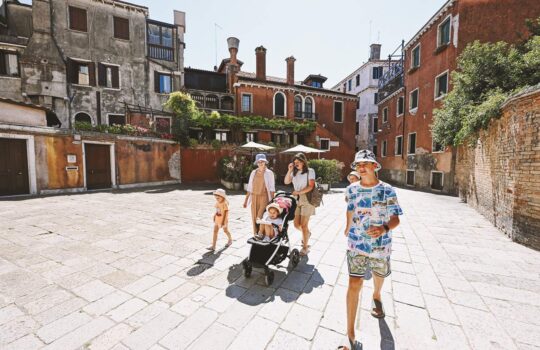
Keep babies out of direct sun as much as possible, especially under six months. Use canopies, umbrellas, stroller shades, and lightweight blankets. When using a stroller, make sure air can flow freely. Covering a stroller too tightly traps heat and creates dangerous temperature rises.
If your baby is older than six months, use a small amount of baby safe sunscreen on exposed areas when necessary. Dress them in long sleeves, soft hats, and breathable fabrics. And remember that babies overheat quickly. Take more shade breaks than you think you need.
Toddlers often burn because they move constantly. Rash guards, swim hats, and reapplication after every water activity help more than any other step.
What to do after too much exposure
Even with preparation, sun happens. Maybe someone napped in the sun too long or splashed in the pool without reapplying lotion. If your child shows signs of mild sunburn, act early.
Bring them indoors, offer water, and cool the skin gently with a damp cloth. Use aloe vera or a soothing after sun lotion. Keep them in shade the next day until the redness settles.
If your child feels faint, nauseous, or extremely tired, treat it as possible heat exhaustion. Move them to a cool area, offer fluids slowly, and monitor them closely. If symptoms worsen, seek medical care. This is where knowing the nearest clinic matters, which we explain in our emergency contacts and hospitals guide.
Do not blame yourself. Every parent has at least one “I thought we were only going outside for five minutes” story.
Preparing before you travel
Before your trip, pack familiar sunscreens, hats, rash guards, and refillable water bottles. These items are often expensive in tourist areas. Bring a small tube of aloe vera or soothing gel and a lightweight towel for hot surfaces.
Check the UV index of your destination before you go. A mild looking forecast can hide strong UV levels. And if you are traveling across climates, read our guide on helping kids adjust to new time zones. Tired kids forget hats and water far more easily.
If you are visiting destinations near the equator or at high altitude, plan shade breaks into your days intentionally. You will enjoy your time more, and the kids will feel better in the evenings.
Sun safe habits for brighter, calmer holidays
You don’t need a complex plan to keep your child sun safe. You just need consistent habits, shade when possible, good timing, and simple routines that fit your day. When you set the rhythm early in your trip, sun protection becomes just another background part of travel, like folding up the stroller or packing snacks.
Kids love sunshine. They love beaches and pools and bright days that feel long and full of possibilities. A little preparation protects those moments so they stay warm memories instead of red and painful ones.
Travel is meant to be fun. Safe sun habits make it easier for everyone to relax and enjoy the days without worry.
Too Long? Here are the most common questions we’re asked.
Apply fifteen to twenty minutes before going outside and reapply every two hours or after swimming.
Shade reduces UV exposure but does not eliminate it. Combine shade with sunscreen and protective clothing.
Early mornings and late afternoons offer gentler sun and cooler temperatures.
Avoid sunscreen on very young babies whenever possible. Keep them in shade and use protective clothing.
Look for red cheeks, irritability, sluggish behaviour, or sudden quietness. Move them to shade and offer water.