There is something deeply unfair about sightseeing with kids.
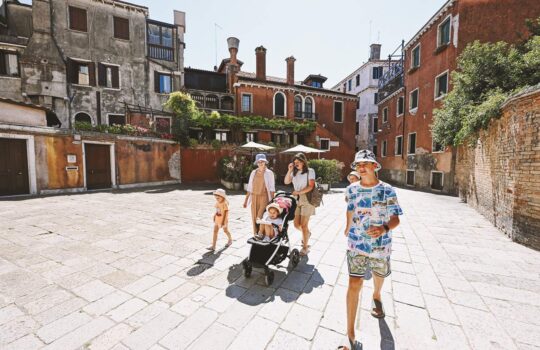
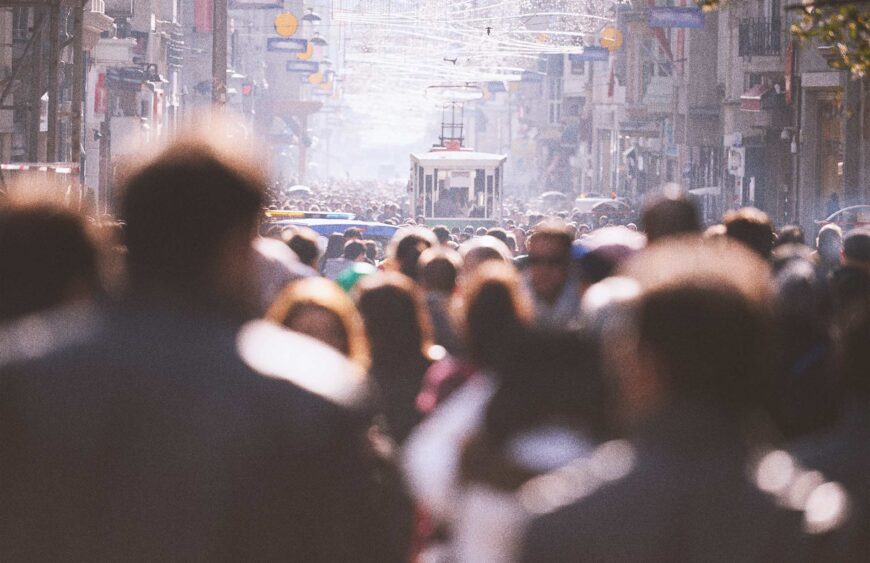
You arrive somewhere beautiful, your camera is ready, the light is perfect, and your child chooses that moment to sprint toward a street performer or attempt to climb a fountain. Busy tourist areas are the ultimate parenting test. They are loud, crowded, full of distractions, and full of opportunities for our tiny humans to wander, drift, or simply disappear into a maze of selfie sticks.
Every parent knows that “losing sight of your child for three seconds” feeling. Your stomach drops, the world slows down, and you start questioning all your life choices leading up to this very moment. The good news is that these moments are preventable. As much as we think keeping our kids safe means wrapping your child in a harness system that looks like it belongs on a mountain goat, it actually can be much more simple than that. By setting up Simple habits that make exploring cities feel calmer and more predictable, you can avoid the terrifying, stomach dropping feeling every time your two legged anchor is out of your eyesight for more than a second.
So, let us walk through the strategies families use every day in crowded destinations. They are easy, realistic, and designed for parents who want to enjoy their trip without constantly counting their children like loose pocket change.
What you’ll find in this guide:
When kids behave differently
Setting expectations early
Picking routes and timing
Keeping kids close
Your Go-To Checklist
Safety tools that help
What to teach kids
What to do if you get separated
Staying calm in unfamiliar places
FAQ’s
When kids behave differently in crowded places
Even the calmest child turns into a wandering butterfly in a busy square. There is a good reason for this. Kids are small, everything looks exciting, and their eyes pick up every color, sound, and smell. They are not ignoring you. Their brains are simply overwhelmed.
Add travel fatigue, heat, or hunger, and children can become unpredictable. This is something many parents notice on arrival days, especially when adjusting to new time zones. The first days of a trip often feel more chaotic because routines are still shaky. If you have not read our guide on adjusting to new time zones with kids, it explains why their behavior becomes more erratic when sleep is disrupted.
Kids also move faster than adults in crowds. Their natural walking pace zig zags instead of going straight. They stop to stare at everything. They follow sounds. They drift. When adults walk in crowds, they tend to look ahead. When kids walk in crowds, they tend to look at everything except where they are going.
Understanding this difference will help you manage your kid with fewer nerves.
Setting expectations early
The simplest way to reduce stress in busy places is to set expectations before you leave the hotel room. Treat it as a tiny briefing that takes under a minute.
Tell your child where you are going and what it will feel like. If the area is crowded, noisy, or full of street activity, let them know in friendly terms. Kids deal better with situations when they feel prepared. And if you have toddlers, keep it extremely simple. “This place has a lot of people, so we hold hands and walk together” works better than a long speech.
Some families give their kids a “crowd rule” to remember. It can be something like, “If you cannot see me, stop moving.” Or, “If we get separated, stay where you are until a helper comes.” These little scripts are helpful for all ages.
On days when kids are tired or recovering from travel, keep plans shorter. Many parents also build in short breaks or choose routes with less foot traffic. This connects naturally with our article on avoiding over scheduling on trips, which helps you plan days that are more kid friendly.
Picking routes and timing that make life easier
Crowded areas have patterns. They get busy at predictable times. And if you know these patterns, you can enjoy the same sights with far less stress. It always helps to look up the location in Google Maps. There you will find a handy chart that shows how busy a place has been at all times of the day. So you can better predict how busy a location will be.
That being said, mornings are calmer almost everywhere. If you can get the kids out early, you will face smaller crowds, cooler weather, and a more relaxed atmosphere. Many parents find that morning sightseeing boosts confidence for the rest of the day because everyone starts on a calmer note.
Try to avoid bottle necks when possible. Some tourist districts have narrow streets, sudden stairs, or plazas where tour groups gather. If you can approach from a wider street or a quieter side entrance, do it. Spending ten minutes on a map often saves you thirty minutes of fighting through human traffic. Also think about your child’s energy levels. Choose destinations that match their mood. If your toddler is wired, a large open space is better than a tight alley of souvenir shops. If your child is tired, choose places with seating and shade.
This is similar to how we choose transport options abroad. Crowds feel easier when the environment matches your child’s energy. Our guide on navigating public transport with kids touches on this too, because crowded trains and buses follow the same logic.
Lastly, ice cubes can be tricky. If you are not sure whether the ice is made from purified water, skip it. Kids will not care if their juice is room temperature.
How to keep kids close
Holding hands works well until your child is old enough to pull away or young enough to resent it. You can alternate between holding hands, walking side by side, and assigning a simple job like “help push the stroller” or “help me look for the blue building.” Jobs give kids focus and reduce wandering.
If you have multiple children, set a walking order. Some parents place one child in front and one beside them. Others put older kids in charge of spotting landmarks. The idea is to create predictability. Once kids know the pattern, the chaos of the crowd feels less overwhelming.
Many parents also use a calm, continuous line of conversation. Ask questions about what they see, point out street performers, or comment on buildings. Talking keeps them engaged with you rather than pulled toward distractions. For toddlers, consider a travel stroller in very crowded areas. Your goal is safety and speed. Not to be an overbearing parent. You already have a guide on choosing between strollers and carriers at airports, and the same principles apply here. If you expect heavy pedestrian traffic, choose the method that keeps everyone calm.
A quick checklist for different crowded situations
Sometimes you step up to a market, train station, plaza, or festival and you feel the wave of people before you even enter. This is where a simple mental checklist helps more than any fancy gadget. It keeps you grounded and gives kids a sense of structure before you step into the noise.
Before entering any crowded space
- Take a quick photo of each child.
- Remind them of the one simple rule: “If you cannot see me, stop.”
- Make sure someone is holding the stroller or younger child.
- Point out what you are all walking toward so kids have a visual anchor.
- Check that shoes are tied, bags are zipped, and nothing is dangling that could get dropped.
- Confirm which adult is walking in front and which is walking beside the kids.
Before entering markets, bazaars, or festival areas
- Tell kids what they will smell and hear so the sensory overload feels less sudden.
- Choose a regroup spot in case one of you gets separated.
- Keep snacks visible because hungry kids wander more.
- Use a stroller if your child is tired or overstimulated.
Before entering major attractions or monuments
- Point out staff uniforms so kids know who to approach if they need help.
- Identify a simple landmark to return to if anyone gets turned around.
- Remind older kids not to follow performers or vendors away from your view.
- Keep tickets and phones accessible since you may need them fast.
Before entering busy stations or ferry terminals
- Hold hands or place younger kids in the stroller until you reach the platform.
- Remind kids that curbs and platforms require extra attention.
- Notice the nearest exit in case the crowd becomes too dense.
- Assign older kids a simple task like watching for platform numbers with you.
Before entering nightlife areas or evening events
- Choose a brighter, clearer path with good visibility.
- Put younger kids in bright clothing so they stand out in dim areas.
- Check your phone battery before heading in.
- Keep your group tightly together and match the pace of your slowest child
Safety tools to help
There are plenty of gadgets marketed to parents, but only a few make a noticeable difference in busy places.
A simple child ID bracelet is one of them. Write your first name, phone number, and country code. That is it. If a child ever gets separated, this tiny tool speeds up the reunion. You can also use a sticker on the inside of a shirt if your child refuses bracelets.
Phones can help as well. Take a quick photo of your child each morning before leaving your accommodation. If you ever need help finding them, you can show an accurate image of what they are wearing that day. Parents in travel forums recommend this more than any other tip because it takes ten seconds and lowers panic significantly.
Some families also use small GPS tags, but they work best for older kids who carry bags. For toddlers, the signal is often blocked by buildings or crowds. They are helpful in wide open areas, less so in dense city centers.
Most importantly, trust simple visibility. Bright clothing beyond neutral tones makes spotting your child easier in crowds. You do not need matching outfits. Just avoid the kid blending in with every other tiny person wearing beige shorts.
What to teach kids for quick responses
Even very young kids can learn basic safety actions. The trick is to practice them in a calm setting before you need them. Teach your child to stop moving if they cannot see you. Teach them to call your name loudly. Teach them to identify helpers like hotel staff, uniformed workers, or families with kids.
Older kids can learn to walk to an agreed “safe point,” like a shop entrance or a statue, but younger children should stay where they are. Movement complicates searches. Standing still helps you find them faster.
Explain these rules lightly. You are not giving a danger speech. You are giving them tools. Kids like knowing what to do. It makes them feel capable and less anxious in new environments.
This approach aligns with our article on keeping kids safe in hotels and rentals, where we also teach simple rules on day one to avoid surprises or late night wandering.
What to do if you get separated
Even with perfect planning, separations often happen. It’s just a fact that parents will have to contend with. Crowds move differently than quiet streets. The key is staying calm and acting quickly.
First, look around without moving. Kids often stay close but become hidden behind taller people. Call their name calmly. Scan the area. If you do not see them within seconds, move to the last spot you walked together and alert nearby staff. Tourist areas usually have visible workers or security nearby.
If your child knows to stay still, they will likely be near that spot. If they are older and follow the “go to the safe point” rule, head there immediately.
Use your morning photo if you need help from locals. A clear image speeds everything up. And rely on the ID bracelet if someone finds your child before you reach them.
After you reunite, keep the moment calm. Kids often feel guilty or scared, even when it was not their fault. Reassure them, take a breath, and then continue with your day at a slower pace.
Staying calm and steady in unfamiliar places
Traveling with kids in crowded areas can feel like holding your breath for hours. But when you have a clear plan, predictable habits, and a few simple tools, crowded places become manageable.
Sightseeing shouldn’t feel like a security drill to your kid. It is supposed to feel like exploring the world together. And when your child feels grounded, rested, and confident, you will notice how quickly the tension fades.
If you want support with related moments that also feel chaotic, our guides on helping kids adjust to new time zones and staying safe in hotels work hand in hand with this one. Safety is never one action. It is layers of tiny habits that make the world feel smaller, calmer, and more familiar to a child.
Exploring with confidence even in busy places
Crowded tourist areas are part of every family trip. You cannot avoid them, but you can set yourself up for calmer days. Prepare your kids, choose your timing, give them simple roles, and use small tools that help if you ever get separated. The result is a trip where you can actually enjoy the moments instead of constantly scanning the crowd like a satellite tower.
Kids thrive when they know what to expect, and parents breathe easier when they have a plan. With a few routines, you can explore new cities with confidence, even during peak travel season.
Too Long? Here are the most common questions we’re asked.
Focus on handwashing, safe drinking practices, rest, and balanced schedules. Small habits reduce most common travel illnesses.
Yes, if you choose clean, busy vendors with high turnover. Stick to hot, freshly cooked foods and avoid raw items in high risk regions.
Rest, hydration, oral rehydration salts, and simple foods help most cases. Seek medical help if symptoms persist or your child looks dehydrated.
It depends on the country. When unsure, stick to sealed bottled water or a reliable filtration bottle.
Seek care for persistent fever, dehydration signs, breathing problems, or if you feel uncomfortable assessing symptoms alone.