Because “we’ll figure it out when we get there” rarely works
At home, mealtime chaos has a pattern. On the road, it can spiral fast. Kids get hungry sooner, restaurants open later, and the one place that serves something familiar is on the other side of town. Every parent learns the hard way that food can make or break a travel day. The secret isn’t luck or flexibility it’s planning. Not in a rigid spreadsheet sense, but in the “I’ve already thought about this so I can actually enjoy the day” sense.
When planning matters (and how it saves everyone’s mood)
When you’re at home, the kitchen is your safety net. On the road, that net disappears. Suddenly, you’re juggling time zones, picky appetites, and unfamiliar foods usually when everyone’s tired. That’s where a basic meal plan helps. It doesn’t need to be complicated or fancy. A simple outline of when and where you’ll eat each day can avoid meltdowns and whining before they start.
Meal planning also saves money. Without it, families fall into the trap of grabbing overpriced snacks at every stop. When you plan, you can make smarter grocery runs, pack backups, and save eating out for experiences that matter.
If you haven’t already, pair this guide with our Snacks Worth Packing from Home and Introducing Kids to New Flavours While Traveling articles for extra context on what to bring and how to mix the familiar with the new.
How to build a flexible meal rhythm
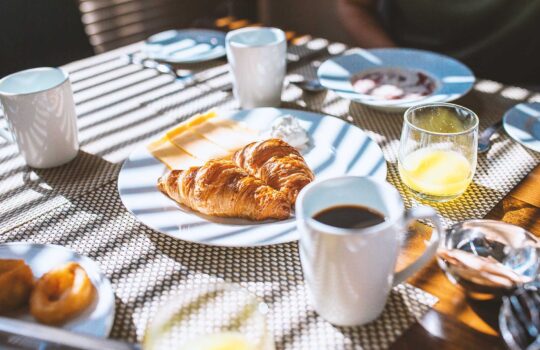
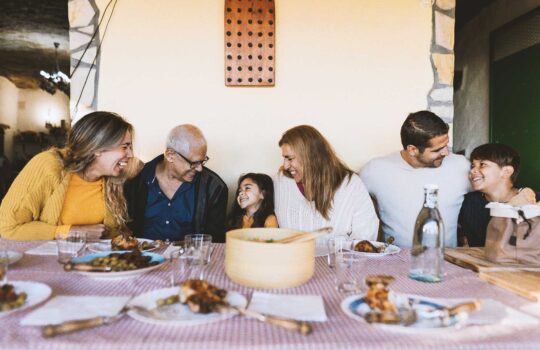
Travel days are unpredictable, but kids’ hunger patterns aren’t. Most parents find that having a rhythm and not a strict schedule, works best. Think of it as anchors rather than appointments. Breakfast happens wherever you’re staying: a hotel buffet, a rental kitchen, or a quick stop at a local bakery for something a little extra. Lunch is usually something light and portable, often grabbed between sights or eaten picnic-style in a park. Dinner, ideally, is the most reliable and relaxed meal of the day. The one you’ve planned or researched ahead of time.
Try to keep roughly the same spacing between meals so kids’ blood sugar doesn’t crash mid-hike or mid-flight. Build in what we’ll call a “floating snack zone,” a flexible time window that moves depending on how the day unfolds. That extra handful of fruit or crackers can be the difference between calm curiosity and chaos.
Predictability is a gift to traveling children. It’s not about eating the same food every day but about knowing that something familiar will appear soon. A simple pattern could include cereal in the morning, something warm in the evening. This can make a trip feel less like constant improvisation and more like an adventure with structure.
Balancing eating out and self-catering
Eating out for every meal sounds like a great idea on holidays. Until of course it starts draining your wallet and your energy. Restaurant fatigue is real, especially for kids who’d rather eat barefoot and sideways on a couch than sit through another menu at a strange, new, and unfamiliar restaurant every night. The most successful families find a rhythm that alternates between self-catered and restaurant meals.
When you’re staying somewhere with a kitchen, cook one easy meal a day. Usually breakfast or dinner, and enjoy the rest out in the world. On travel or transit days, pre-pack sandwiches, cut fruit, or easy bento-style meals from your rental or hotel. Save the special restaurant experiences for the days when everyone has the bandwidth to enjoy them.
In rentals or apartments, keep cooking light and forgiving. Think one-pot pasta, instant grains with fresh vegetables, or local bread with spreads and cheese. No one is expecting perfection; mostly a slower peace. For practical tricks on minimizing stress, our Cooking in Rentals: Saving Money and Stress article walks through exactly what tools and staples to rely on.
Grocery shopping abroad made easy
Grocery stores are the unsung heroes of family travel. Way cheaper than restaurants, often faster, and surprisingly fun. They’re a window into everyday local life. The challenge is learning how to shop efficiently when everything looks different and new.
Start small. Bring a reusable shopping bag, because many stores abroad charge for them. Use a translation app for tricky labels, especially if allergies are a concern. Buy only what you’ll actually use. European fridges are famously and comically tiny, and most rentals lack proper storage. When in doubt, ask a local where they shop. Small town markets, farmers’ stalls, and discount chains all have their perks, and locals will usually steer you to the best deals.
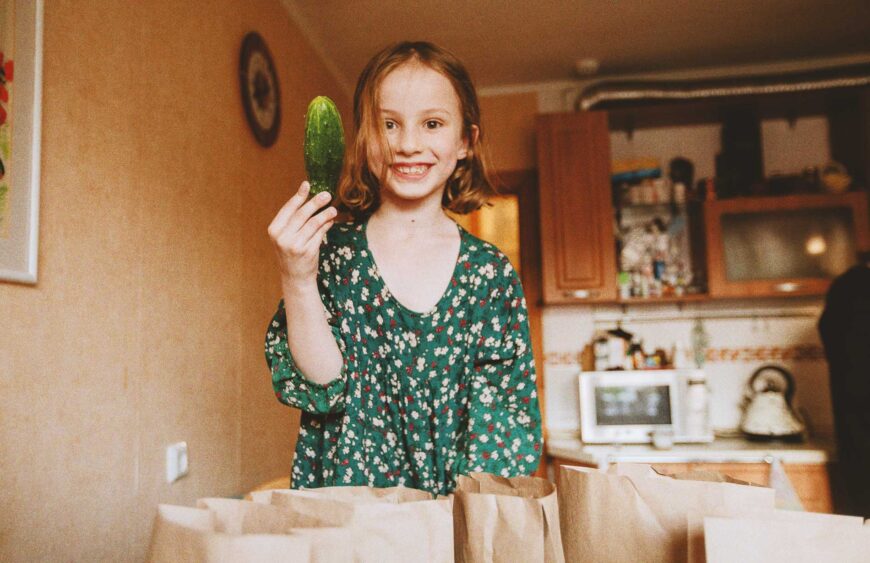
Turn grocery runs into mini adventures. Let kids pick a breakfast cereal, choose a new fruit, or find a local snack to try later. It shifts shopping from a chore to a discovery mission and gives them ownership over what lands on the table.
Keeping meals simple and waste-free
You don’t need full recipes when you’re living out of a suitcase; you just need formulas that adapt to whatever’s available. Base plus protein plus vegetable works almost anywhere. For example pasta with seasonal produce, rice with beans, wraps with grilled chicken. The key is flexibility and repetition. Don’t worrs, nobody’s expecting culinary masterpieces in a rental kitchenette.
Pack a few light staples if you’re moving between destinations Things like salt, olive oil, and a small jar of peanut butter can stretch into dozens of meals. Avoid buying large containers of anything unless you’re staying put for a week or more. Toward the end of your trip, combine leftovers creatively: toss vegetables into omelets, make sandwiches out of spare cheese and bread, or turn fruit into simple desserts. It keeps the fridge clear and reduces waste.
If you’re doing longer trips you can create a “travel pantry box”. One small container that holds dry goods to carry from place to place. It saves both money and mental load.
Planning for long travel days and unpredictable schedules
Every family has that one day that derails the best intentions. A missed connection, a traffic jam, a closed restaurant at midnight. Those are the days when preparation pays off tenfold.
Before any long travel day, pack at least one meal that doesn’t rely on finding food en route. Sandwiches, cold pasta salads, or wraps hold up well, even without refrigeration for a few hours. Keep a dedicated snack pouch for each child in your carry-on or car seat pocket, so you’re not rummaging under bags when hunger hits. For arrival nights, don’t plan to cook or explore. Just grab a ready meal from a supermarket near your accommodation. Call it an early night to rest and recharge. You’ve got a whole trip ahead of you.
Hydration deserves its own plan. Bring refillable bottles for every traveler and top them up at airports, service stations, or hotel breakfast rooms. It’s such a small thing but saves both money and stress. During the summer in warm climates we liked to include lots of ice in order to keep us cool for longer throughout a long day. If you have access to a freezer, freezing bottles of water allows for a slow release of cold sips thoughout the day, and if you want to drink more, just put it on your neck to cool you down, and melt the ice a little.
For inspiration and logistics, our Snacks That Save Sanity on Flights and Best Road Trip Snacks for Children articles cover the exact setups other traveling parents swear by.
Routines that make trips feel smoother
Meal planning on the road isn’t so much about discipline as it’s about creating piece of mind. A loose framework lets families travel with fewer surprises and far less friction. Kids feel calmer when they know when the next meal is coming, and parents can focus on the experience instead of the logistics.
Think of your plan as a rhythm: eat, explore, rest, repeat. That rhythm becomes the backbone of your trip. Predictable enough to feel safe, flexible enough to allow spontaneity. And when everyone’s fed, rested, and not trying to survive on snack crumbs, even the inevitable travel hiccups become easier to laugh about later.
Too Long? Here are the most common questions we’re asked.
Create a repeating rhythm like breakfast in, lunch out, dinner flexible. And apply it wherever you go. Adjust only for local customs and availability.
Simple one-pot dishes like pasta with vegetables, rice bowls, or wraps that can be eaten hot or cold.
Shop small, reuse leftovers creatively, and finish perishables before moving on.
If you’re traveling more than three days with kids, yes. Even a basic kitchenette gives you control, comfort, and savings.
One day is usually enough. It keeps you organized without locking you into a rigid routine.