When snacks become survival tools
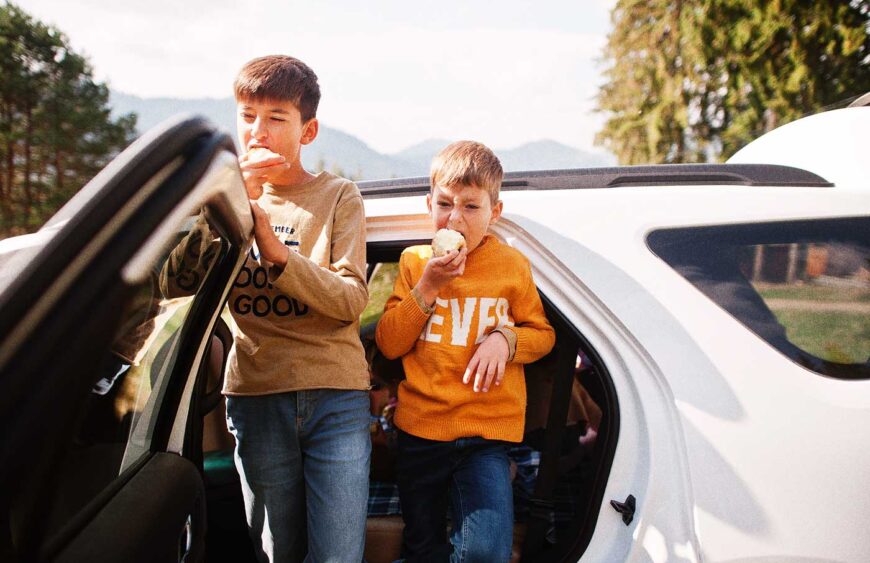
Every parent who’s taken a road trip with kids knows that snacks aren’t just food, they’re survival tools. A well-timed cheese stick can stop a meltdown in its tracks. A bag of crackers can turn the dreaded “are we there yet?” chorus into the blissful yearned for silence. The wrong snack, though, can turn the backseat into a sticky, crumb-filled disaster zone that lingers long after the trip is over.
At home, kids snack because they’re hungry. On the road, they snack because they’re bored, restless, or simply need a change of pace. That’s why road trip snacks need to work harder than the ones you toss across the kitchen counter. They need to be filling without overloading on sugar, easy to eat without creating a crime scene in the car, and fun enough that kids actually look forward to them.
Why snacks matter more on road trips than at home
Snacks are the rhythm of a family road trip. They break up the monotony, keep blood sugar steady, and give parents leverage when patience is running thin. Parents often share in forums that snack breaks are the single most effective tool for avoiding backseat meltdowns.
On the road, kids don’t eat the way they do at home. Sit-down meals are fewer and farther between, and long stretches of driving make grazing more practical. That means snacks have graduated from being the backup to being the main event. Planning them with as much care as you plan the route is what keeps everyone sane.
Our article on Planning the Ultimate Family Road Trip touches on this bigger picture: without structured stops and the right food, even the smoothest drive can unravel. Snacks, quite literally, will fuel your trip.
Balancing healthy choices with kid-approved favorites
Every parent faces the same tug-of-war: you want your children to eat something nourishing, but you also don’t want to listen to hours of whining because you packed carrot sticks instead of cookies. The trick is balance.
Pack a mix that blends protein and fiber with the occasional treat. Cheese sticks, apple slices, and nut-free trail mix (for allergy-safe families) are great staples. Pair those with small portions of “fun” foods. A handful of gummy bears or a mini chocolate bar that are shared from the front seat, so kids feel like they’ve won something without bouncing off the car walls.
Some parents pre-portion snacks into small containers so kids get a variety each time, while others ration by distance: “new snack every 100 miles.” And make a game out of it. However you do it, remember that on the road, food is both your fuelyou’re your entertainment. Not an afterthought.
Mess-free snacks that won’t destroy the car
There’s no faster way to regret a snack than to find melted chocolate in the seatbelt buckle or yogurt smeared across the upholstery. Road trip snacks live or die by their mess factor.
Better choices:
- Pre-sliced fruit like apples, grapes, or berries in sealed containers.
- Dry snacks like pretzels, cereal, rice cakes, or crackers.
- Cheese sticks, mini sandwiches cut into small squares, or wraps sliced into pinwheels.
- Anything that can be blown out of the car with a leaf blower without leaving evidence.
Snacks to avoid:
- Chocolate (melts in seconds).
- Crumbly pastries and muffins (you’ll be vacuuming for months).
- Unsealed yogurts or dips (spill once, regret forever).
Many parents swear by giving each child a small snack box or tray table, so food doesn’t scatter with every bump. Our Packing the Car: What Families Always Forget article goes deeper into how organizers, coolers, and travel trays can save your sanity when food is flying around.
Hydration and drinks on long drives
If snacks are survival tools, drinks are your landmines. The wrong choice leaves you with sugar highs, sticky spills, or a dozen bathroom stops in 1 hour.
Water is always your safest bet. It hydrates, it doesn’t stain, and it won’t leave kids bouncing in their seats. Reusable bottles with straw lids are ideal because they minimize drips even when the car hits a bump. Juice boxes, while convenient, tend to backfire: leaky straws, sticky hands, and a sugar surge that fizzles just as quickly.
In colder months, insulated cups with warm drinks can be a comfort. Just keep servings small, since frequent refills mean more bathroom breaks.
Creative snack hacks parents swear by
Parents have developed endless hacks to make snack time smoother on the road. Some use bento-style boxes to add variety and fun. Grapes in one section, crackers in another, a small cookie tucked in for surprise. Others swear by “mystery snack bags” that only appear after milestones: “You made it through the mountain pass, here’s a new treat.” Think of them as bribes they look forward to earning.
Coolers in the trunk keep bulk supplies fresh, but a smaller “front-seat snack pouch” saves the driver from climbing into the back every time hunger strikes. Clothespins or chip clips prevent half-eaten bags from spilling everywhere. Some families even colour-code containers so each child knows which is theirs, avoiding fights in the backseat. We like to give our kids the responsibility of choosing some of the treats that go into their coloured container. It gives them a sense of responsibility, ownership, and they feel like they have some sort of control of the roadtrip as well.
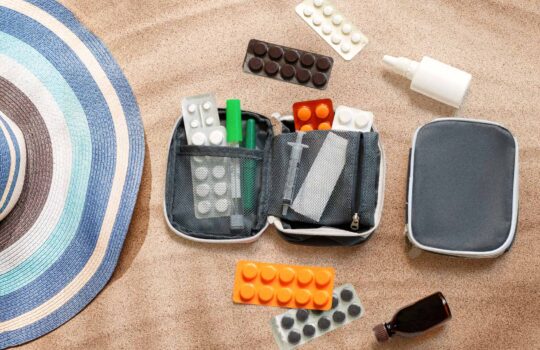
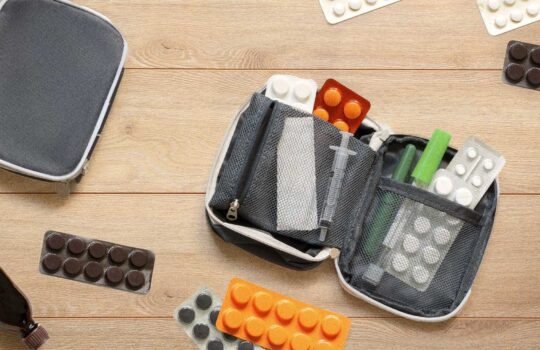
Our Road Trip Health and Safety Kit for Families suggests keeping allergy-safe wipes, napkins, and resealable bags right next to the snacks. That way, cleanup is automatic and doesn’t involve rummaging through luggage.
Food as fuel for the fun
Snacks aren’t just a way to keep kids occupied. They’re the rhythm, the incentive, the bribe, the reward, and the peacekeepers of a family road trip. A well-packed snack bag means fewer meltdowns, smoother miles, and memories of road trips that feel fun instead of stressful.
Think of snack time as more than feeding kids and making it part of the adventure. The car becomes a place for picnics, negotiations, and even a few silly traditions (like “sing a song, earn a snack”). Food fuels the body, but on the road, it also fuels the mood. Ever gambled away your portion of M&M’s? There’s always a first. But now, you can teach your children the phrase “double or nothing”.
Too Long? Here are the most common questions we’re asked.
Soft fruits like bananas or berries, string cheese, and small sandwiches are all toddler-friendly and easy to eat on the go.
Pre-portion food into containers, avoid crumbly or sticky options, and keep wipes and trash bags within arm’s reach.
Pre-packaged options are convenient and usually less messy, but homemade snacks can be healthier and cheaper. A mix of both works best.
Every two to three hours is ideal. It matches natural break times and keeps moods steady.
Not always. Customs rules often ban fresh produce. Check local regulations before traveling internationally.