
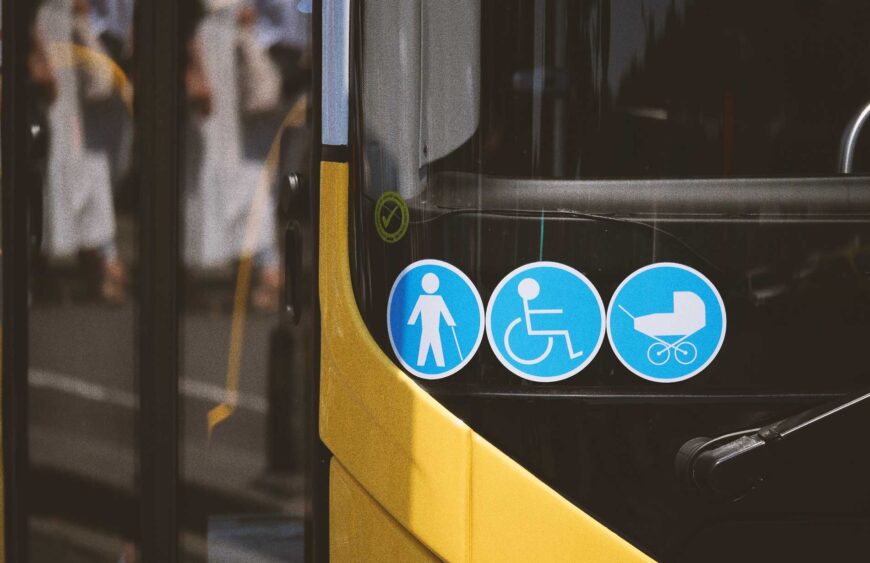
Getting There Without the Guesswork
Every family trip starts with a question: how will we actually get around once we’re there? For parents traveling with wheelchairs, sensory needs, or medical equipment, that question matters twice as much. Some cities are built for accessibility, others take a bit more planning, and most fall somewhere in between. But with the right preparation and the right expectations, getting around can become manageable, and maybe even smooth.
Accessible travel isn’t just about ramps and elevators; it’s about having choices. It’s about knowing whether a metro has step-free access, if a bus driver can deploy a ramp, or if the ferry deck is wide enough for a wheelchair. When you have that information before you need it, cities stop feeling unpredictable. They become places you can actually enjoy together.
What you’ll find in this guide:
Understanding Accessibility Across the World
Planning Ahead Before You Arrive
Using Accessible Transport Options
Sensory-Friendly Travel Tips
When Public Transport Isn’t Practical
Apps and Digital Tools That Help
Cities Leading the Way
Moving with Confidence, Not Hesitation
FAQ’s
Understanding Accessibility Across the World
Accessibility means very different things depending on where you are. In Berlin, almost every metro station has an elevator and tactile paving. In Tokyo, transport staff appear within seconds to help carry luggage or wheelchairs across platforms. Meanwhile, in Paris or Rome, you’ll still find charming old stations that look like they haven’t changed since the 1950s and unfortunately, neither have their stairs or attention towards travellers with dissabilities.
That’s not a reason to avoid these places, but it’s a reason to plan and prep differently. Some cities prioritize accessibility in their design, while others rely on workarounds. Knowing that difference early makes everything less frustrating.
A good starting point is checking local transit websites for words like “barrierefrei” (Germany), “accessible entrance,” or “step-free.” Many tourist boards now have accessibility pages with detailed information about public transport, attractions, and even beaches. And if you read our piece on Navigating Busy Cities with Strollers, you’ll notice how much of that advice overlaps. The same ramps, elevators, and sidewalk tips help anyone traveling with wheels, just for different reasons.
Planning Ahead Before You Arrive
Most accessibility wins happen before you even leave home. A few minutes of research can spare hours of frustration later.
When booking accommodation, look for hotels near accessible metro stations rather than relying on taxis. Proximity matters more than views. If you need a wheelchair-accessible taxi, many cities require them to be booked in advance, sometimes even 24 hours ahead. And at airports or train stations, you can usually request mobility assistance, which includes help boarding, deboarding, and transferring between gates.
If your child uses mobility equipment, confirm with your airline how it will be handled. Many carriers allow you to gate-check wheelchairs or strollers free of charge, but you might need to detach batteries or label detachable parts. The same applies to medical gear: always carry documentation explaining what it is and how it’s used.
Traveling with special needs is all about minimizing surprises. The fewer unknowns, the easier the journey feels.
Using Accessible Transport Options
Once you’re on the ground, it helps to know how each system treats accessibility.
Cities like London, Singapore, and Toronto are leading examples. London’s Transport for London (TfL) map highlights step-free stations, accessible buses, and priority seating areas. Singapore’s entire MRT system has elevators, tactile guidance paths, and level boarding at every platform. In Toronto, all buses and newer subway stations are wheelchair-accessible, with staff trained to help passengers board safely.
In Europe, Berlin and Stockholm are standouts. Both cities include ferries within their public transport networks, all of which are ramp-accessible. Their apps even show real-time elevator status, so you’ll know before you arrive whether a lift is working or not. (If you’ve read our article on How to Get the Most Out of Your Family Transit Pass, you’ll already know these systems often include ferries and trams in one ticket.)
The key is to pick your routes strategically. Step-free access doesn’t always exist at every station, but if you plan from one accessible stop to another, you can usually navigate the network without lifting a single wheel.
Sensory-Friendly Travel Tips
Accessibility isn’t only physical. For families with sensory sensitivities, public transport can be overwhelming. Lights, announcements, and crowded platforms all add up fast.
Traveling outside peak hours makes an immediate difference. Early mornings or mid-afternoons are quieter and calmer. Some metro systems, like those in Tokyo or London, even offer “quiet cars” during certain times of day, with reduced announcements and dimmed lighting.
Noise-canceling headphones or simple ear defenders help block out overstimulation, while small fidget toys or snacks give kids something familiar to focus on. Keep explanations simple and positive: instead of saying “don’t be scared,” try “this train will be loud for a minute, then it’ll be smooth.” Calm preparation builds predictability, which in turn builds comfort.
You’ll find more real-world tactics like these in our piece on Safety Tips for Crowded Transit Systems especially around staying aware and grounded in busy environments.
When Public Transport Isn’t Practical
Sometimes, public transit just isn’t the right choice and that’s okay. For families dealing with mobility limitations or unpredictable medical needs, flexibility often matters more than saving a few euros on a fare.
Many cities have adapted taxi services or ride-share options with accessible vehicles. In New York, it’s called Access-A-Ride; in London, every licensed black cab can take a wheelchair; and in Berlin, companies like Würfelfunk and Taxi Berlin allow you to prebook accessible vehicles via app. If you’re traveling somewhere less equipped, hiring a private driver for the day can make the difference between a stressful outing and an enjoyable one.
You can find more about balancing comfort, cost, and flexibility in our upcoming guide on When to Choose Private Transfers vs. Public Transit.
Apps and Digital Tools That Help
The biggest accessibility tool now lives in your pocket. Apps like Google Maps (iOS / Android)offer a wheelchair-accessible mode that automatically routes you along step-free paths and entrances which are perfect for wheelchairs, walkers, or strollers. When enabled, it filters out stations without elevators and even suggests alternate exits for easier navigation.
Citymapper and Moovit both include accessibility filters too, showing live elevator updates and barrier-free routes. Wheelmap.org crowdsources accessibility data from travelers around the world, while AccessNow offers verified listings for restaurants, hotels, and attractions.
We’ll cover these in detail soon in our short feature, “Apps That Make Travel More Accessible,”but for now, even using just one of these tools can change how confidently you move through a city.
Links to apps mentioned:
Google Maps: Android / iOS
Citymapper: Android / iOS
Moovit: Android / iOS
AccessNow: Android / iOS
Cities Leading the Way (and Those Catching Up)
Some destinations deserve real credit for how inclusive they’ve become. Singapore, Tokyo, London, Berlin, and Toronto consistently rank among the world’s most accessible cities. Their networks are modern, their signage is clear, and their staff are trained to assist travelers without hesitation.
Other cities are improving, but still pose challenges. Paris, Rome, Bangkok, and Istanbul are rich in history but limited by old infrastructure. Steep stairs, cobblestones, narrow sidewalks. That doesn’t make them off-limits, but it does mean families should plan accordingly: stay above ground when possible, choose central neighborhoods to minimize travel, and rely on accessibility apps for real-time guidance.
This isn’t about naming the best or worst. It’s about setting realistic expectations so parents can plan smarter and stress less. Accessibility varies, but preparation levels the field.
Moving with Confidence, Not Hesitation
Accessible travel doesn’t start with ramps; it starts with information. Once you know what to expect, like which stations have elevators, when to travel, which apps to check, the uncertainty fades. What’s left is the freedom to explore, at your own pace, in your own way.
And that’s what accessibility is really about: independence, confidence, and the quiet assurance that your family belongs anywhere the world takes you.
Too Long? Here are the most common questions we’re asked.
Check local transit websites for accessibility maps, or use apps like Google Maps and Wheelmap to preview step-free routes.
Look for alternate exits via accessibility apps or ask station staff for help. Many cities have backup lifts or ramps nearby.
In larger cities, yes. It’s best to prebook or confirm through official apps rather than hailing on the street.
Travel during off-peak times, use headphones or sensory tools, and keep explanations calm and predictable.
For short trips, renting locally saves hassle. For longer stays or specific medical needs, bring your own.