Europe’s Best Night Trains For Kids
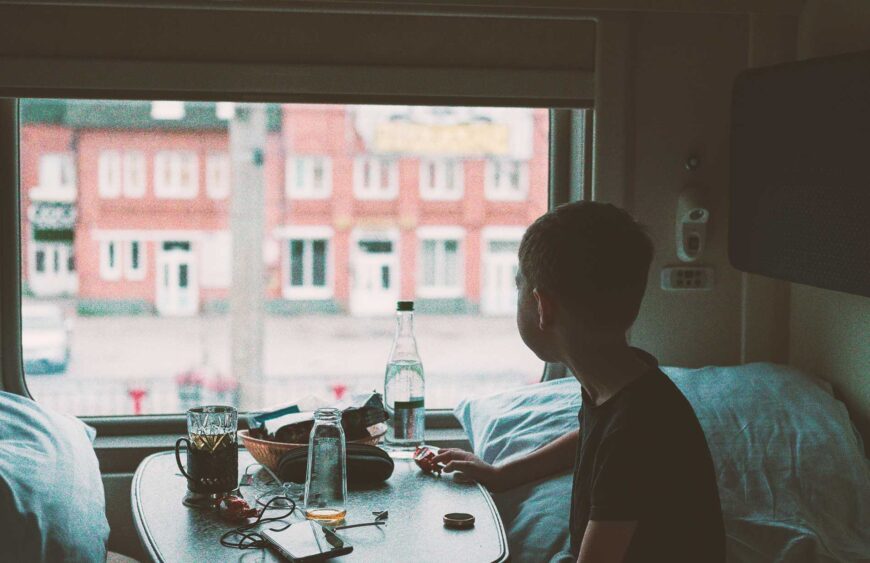
Family Travel That Works While You Sleep
Ask most parents what they’d change about long travel days and the answer is almost always the same: if only the kids could sleep through it. Europe’s network of night trains offers exactly that. Instead of wrestling with airport lines, taxi transfers, and keeping kids entertained for eight straight hours, families can board an evening train, tuck everyone into bunks, and wake up at their destination. It sounds almost too good to be true, and sometimes it is, but with the right planning, night trains can be one of the most practical and memorable ways for families to explore Europe.
Night trains aren’t just great for logistics. They’re great for turning travel time into part of the adventure. For kids, the novelty of sleeping on a moving train is huge. For parents, the math often makes sense: one night in a sleeper compartment can save hundreds on hotel rooms and daytime train fares. And unlike budget flights, there’s room to bring that extra toy, settle kids with a bedtime routine, and even walk a restless toddler up and down the corridor when needed.
Why Night Trains Appeal to Families
The biggest draw is efficiency. Families on tight schedules know how painful it can be to sacrifice a full day just to get from one country to another. A night train takes that wasted day and tucks it neatly into your child’s sleep schedule. Parents who’ve tried it often describe the relief of rolling into a new city mid-morning, kids rubbing their eyes but otherwise ready to explore. You’re not just saving time, you’re reclaiming it.
There’s also the financial angle. While a sleeper compartment isn’t cheap, when you compare it to paying for both a hotel and separate daytime transport, the savings add up quickly. Families traveling on passes like Eurail often find that the additional cost of a couchette is still lower than the combined expense of tickets and accommodations. The trick is choosing routes with convenient departure and arrival times, so you don’t end up paying for a night train that drops you off at 5am in a half-empty station.
Then there’s the emotional factor. Kids remember moments that feel unusual and exciting. Climbing into bunk beds, brushing teeth at a fold-out sink, watching the landscape blur past while in pyjamas. These are experiences that feel like pure adventure to a child. Parents often remark that a night train journey becomes one of the most talked-about parts of the trip, long after museums and castles blur together.
What Types of Night Trains Exist in Europe
If you’ve never booked one, it’s easy to assume all night trains are the same. In reality, there’s a spectrum, and understanding the difference can make or break your trip.
- Seats only: These are essentially regular train cars running overnight. They recline slightly, but for families, this is the option to avoid unless you truly have no choice. Children rarely sleep well in upright seats, and parents end up arriving exhausted.
- Couchettes: These are shared compartments with four or six bunks. The mattresses are basic but comfortable enough for one night. Families often book all the bunks to keep the space private. This is usually the sweet spot for price versus comfort.
- Sleeper compartments: Smaller cabins with one to three bunks, often including a washbasin or even a private bathroom. They’re more secure, with doors that lock, and give parents the peace of mind that kids won’t be sharing a space with strangers.
- Deluxe sleepers: Found on newer services like ÖBB’s Nightjet, these feature proper beds, private bathrooms, and sometimes even breakfast service. They cost more but are the closest you’ll get to hotel comfort on rails.
For families, the right choice often depends on age. Toddlers and preschoolers do best in compartments where parents can control the space. Older kids may find the novelty of couchettes fun, as long as everyone knows who’s sleeping where before lights-out.
Family-Friendly Routes Worth Considering
Not every night train is equally suited to families. Some arrive too early, others drag on too long, and a few are better avoided altogether. These routes, however, strike a balance of timing, comfort, and destination appeal that make them stand out.
Paris to Vienna (ÖBB Nightjet)
This route has quickly become one of the flagship examples of night train revival in Europe. It connects two major cities with plenty to offer families, making it a natural choice for travelers looking to mix urban culture with child-friendly attractions. Departing Paris in the evening and arriving in Vienna around breakfast, the schedule aligns neatly with family routines. You have time for dinner in Paris, bedtime on the train, and a full day ahead when you step onto the platform in Vienna.
The Nightjet carriages here are among the most modern in Europe, offering family-friendly options like private compartments that lock and deluxe sleepers with en-suite bathrooms. For parents nervous about security or noise, the upgrade often feels worth it. Vienna’s arrival point, Westbahnhof, is centrally located, with easy tram and metro connections that mean no long transfers with luggage and tired children. Families also appreciate the educational layer of this journey. Kids fall asleep surrounded by French menus and signage and wake up in a German-speaking world. The sense of crossing a cultural border overnight sparks curiosity in older children, while younger ones simply enjoy the idea of “waking up in another country.”
Hamburg to Zurich (Nightjet)
For families in northern Europe, this route is a gateway to the Alps. It leaves Hamburg in the evening, making it accessible for travelers arriving from Scandinavia by ferry or connecting trains. By breakfast, you’re stepping into Zurich, ready for either a city break or onward travel into Switzerland’s mountain resorts.
The journey takes about 12 hours, just right for fitting within a full night’s sleep. Compartments include standard couchettes and upgraded sleepers. Families often book an entire couchette cabin to keep costs manageable while still ensuring privacy. Parents like that Zurich’s main station is in the city center, eliminating long transit times on arrival.
The scenery adds extra value. Early risers are rewarded with views of lakes and Alpine foothills as the train approaches Switzerland. For children, watching the landscape transform is more engaging than hours spent in an airport lounge. Parents also note the reliability of Swiss connections. If you’re heading on to mountain towns, the Swiss rail system is famously punctual, making the transition from sleeper to day train seamless.
Milan to Sicily (Intercity Notte)
This is one of the most unique journeys in Europe, thanks to its crossing of the Strait of Messina. At a certain point, the entire train is rolled onto a ferry, and passengers watch as their carriage floats across the water to Sicily. For kids, it feels like something out of a storybook. It’s a train that turns into a boat mid-journey!
The trip is long, often stretching to 20 hours, which means it’s not for every family. But Italians use it frequently, and for parents who want to avoid domestic flights or show children the length of Italy in one sweep, it’s an unforgettable experience. The compartments are basic compared to newer trains, but couchettes and sleepers are available, and the slower pace encourages a relaxed rhythm.
Families should be prepared with their own food, especially breakfast items, since catering can be limited. The payoff, though, is significant: arriving in Palermo or Catania without airport hassles, greeted instead by sunshine and the smell of the sea. For kids, the combination of train, ferry, and cultural shift from northern to southern Italy makes this more than just a journey. It’s a moving lesson in geography and diversity.
Amsterdam to Vienna (Nightjet)
Amsterdam’s central location makes this Nightjet route an excellent choice for families combining northern and central Europe. Departing after dinner and arriving mid-morning, the timing is nearly perfect for parents aiming to stick to a child’s natural sleep cycle.
The train offers both standard couchettes and deluxe sleepers. Larger families often find booking all six bunks in a couchette more affordable than multiple sleeper cabins, and having a whole space to themselves is a major comfort. The compartments may be snug, but children usually treat the bunks as an adventure.
Vienna serves as a hub for onward travel to cities like Prague, Budapest, and Salzburg. Families using the Nightjet often build multi-stop itineraries around it, combining one overnight journey with shorter daytime trains. The consistency of this route that consists of reliable schedules, modern carriages, and strong demand, makes it one of the safest bets for parents venturing into night train travel for the first time.
Stockholm to Berlin (Snälltåget)
This route connects two capitals that are especially friendly to families, and it avoids the hassle of flying between Scandinavia and Germany. The train departs Stockholm in the evening and arrives in Berlin by morning, taking around 16 hours. It passes through Denmark along the way, giving children a rare chance to travel across multiple countries in one night.
The compartments are functional rather than luxurious, but couchettes are well-maintained and staff are used to family travelers. The biggest advantage here is simplicity: no plane changes, no security lines, and no overnight airport waits. Families board once and disembark once, with no middle-of-the-night interruptions.
Berlin’s Hauptbahnhof is in the heart of the city, and Stockholm’s departure station offers family facilities that make waiting with kids easier. The cultural contrast also makes the journey more memorable. Children notice everything from language to food differences, and parents value the chance to show them how connected yet varied European countries can be.
Booking Smart: How to Secure the Right Sleeper
Booking night trains requires a bit more planning than day trains. Family compartments and popular routes sell out weeks or even months in advance, especially during school holidays. Parents who’ve navigated family seating before will recognize the same challenges: the earlier you book, the better your chances of getting cabins together and bunks arranged sensibly.
Pass holders should note that while Eurail or Interrail covers the fare, sleeper reservations are still mandatory and often add significant cost. Booking directly through operators like ÖBB or Trenitalia usually gives you more control over cabin type. Knowing in advance whether you want a couchette or a deluxe sleeper helps avoid last-minute compromises.
The extra effort is worthwhile. Families who secure the right arrangement, whether that’s a locked sleeper compartment or all six bunks in a couchette tend to describe the journey as comfortable and memorable. Those who leave it too late often end up scattered across different cars, which makes the night far more stressful.
Packing and Comfort Hacks
Packing for night trains isn’t complicated, but a little foresight makes the ride smoother. Families should prepare a dedicated overnight bag separate from larger luggage. This bag should include pyjamas, toothbrushes, wipes, and a few snacks. The goal is to avoid rummaging through multiple suitcases at midnight when everyone is tired.
Comfort items matter more than parents expect. A favorite blanket, a small reading light, or a white noise app can turn a noisy carriage into a tolerable sleeping environment. Food is another key factor. While some trains provide a light breakfast, parents who pack familiar snacks or instant oatmeal find mornings go much smoother. The principle is the same as on planes: don’t rely solely on the operator for child-friendly food.
The routines families use for overnight travel elsewhere like winding down with a story, brushing teeth, dimming lights gradually, work just as well here. The difference is that space is tighter and noise is a given. The families who enjoy night trains most are the ones who manage expectations: it won’t be perfect sleep, but it will be enough.
Safety and Sanity On Board
Safety is rarely an issue on modern night trains, but parents naturally worry about security and disruptions. Choosing compartments that lock from the inside is the simplest way to ease those concerns. For older children, a quick explanation about staying inside the cabin at night can prevent wandering.
Delays can happen, though less frequently than with planes. When they do, the impact is magnified. Children may be woken earlier than expected or miss connections. Parents who prepare with backup snacks, downloaded audiobooks, and a flexible plan find it easier to handle. Staff on most routes are accustomed to families and will offer guidance if a train runs late.
Sanity often comes down to attitude. Parents who treat the experience as an adventure, rather than a test, model calm for their kids. The bumps, the noise, and the occasional midnight wake-up become part of the memory, not just obstacles.
What to Skip
Not all routes or options are worth it for families. Seated-only cars are cheap but rarely deliver actual sleep. Journeys longer than 15 hours test patience, unless you’re deliberately seeking a slow travel experience like Milan–Sicily. Early-morning arrivals can be more disruptive than helpful, leaving you stranded in a city before cafes even open.
Families also find that sharing couchettes with strangers can be unpredictable. While it’s common in Europe, most parents prefer to book out an entire compartment. For the price difference, the peace of mind and privacy are usually worth it.
Wake Up Where You Want to Be
Europe’s night trains aren’t flawless, but when they work, they offer one of the most rewarding ways to travel as a family. They let you reclaim lost travel days, save money on hotels, and give children an adventure that sticks in their memory far longer than another budget flight.
The key lies in choosing the right routes, booking smart, and packing for comfort. Do that, and the bumps and quirks of overnight rail become part of the fun. Families who try night trains often find themselves seeking out more. Not because they’re easy, but because they’re memorable in a way few other journeys can match.
Too Long? Here are the most common questions we’re asked.
Yes. Private compartments and couchettes that lock from the inside provide security. Families who book full compartments usually find them as safe as a hotel room.
Most operators offer discounts for children, and in many cases young kids can share beds with parents at no extra charge. Each operator has different rules, so check when booking.
Bring a small overnight bag with pyjamas, toiletries, snacks, and comfort items. Larger luggage can be stored, but essentials should be easily accessible.
Two to three months is ideal, especially for school holidays. Family compartments are limited and sell out quickly.
Paris–Vienna, Hamburg–Zurich, Amsterdam–Vienna, and Stockholm–Berlin are among the best. Milan–Sicily is longer but unforgettable for families who want a unique adventure.