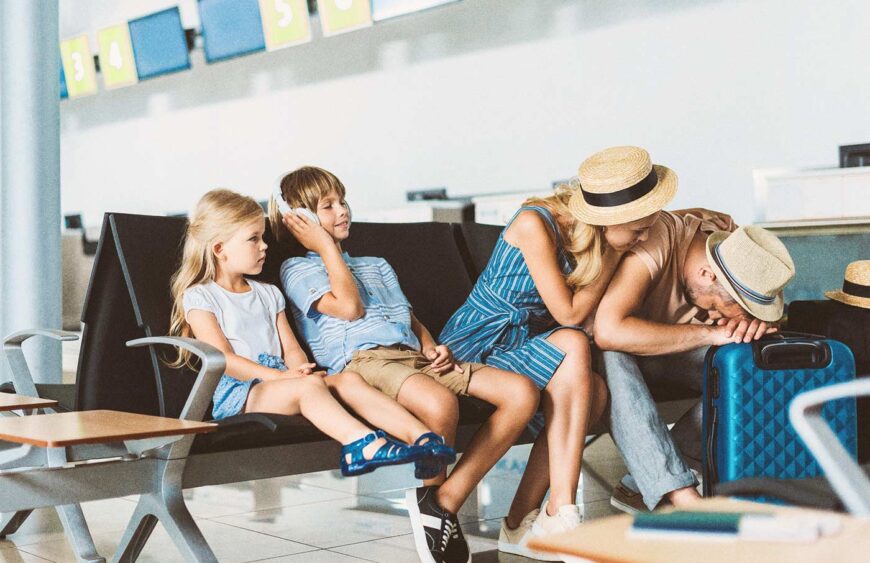
Why delays feel harder with children
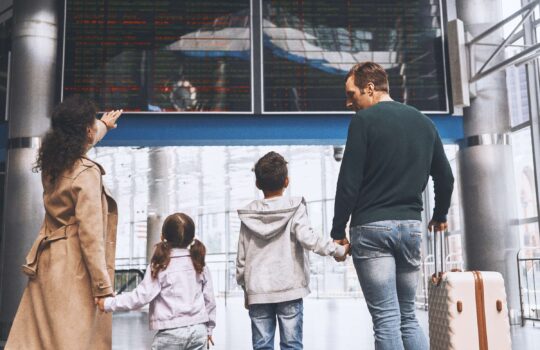
For adults, delays are usually annoying but manageable. You scroll your phone, read a book, maybe find a café to pass the time. For children, though, the concept of “waiting” is abstract. They don’t care that the train is late because of a signaling issue — all they know is that they’re stuck in a noisy place, hungry, or bored out of their minds.
One parent in a family travel forum shared how their three-year-old simply couldn’t grasp that a two-hour wait didn’t mean “two minutes.” Cue repeated meltdowns every time someone said “almost time.” It’s a reminder that kids don’t measure time the way we do, which makes delays feel endless.
Parents end up managing multiple layers at once: physical comfort, emotional reassurance, and logistics. A toddler who needs a nap isn’t going to sit patiently on a bench, and an older child who’s already frustrated may spiral into a tantrum. Unlike solo travelers, you can’t just put in headphones and tune it all out. You have to keep everyone fed, safe, and entertained, often while feeling just as stressed as they are.
Preparing for the unexpected before you travel
The easiest way to make delays survivable is to expect them. Think of it like weather insurance: if you pack for rain, you’ll be fine even if the sun shines. If you ignore the possibility, you’ll be miserable when the storm hits.
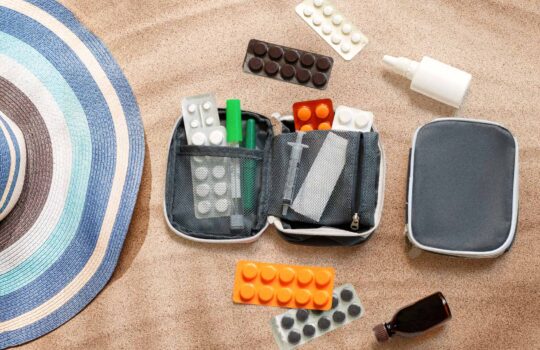
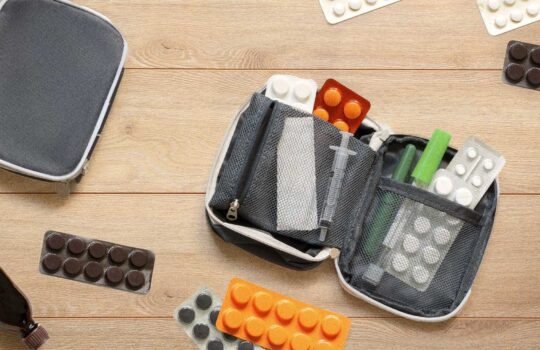
Parents often talk about the magic of the “emergency kit.” One mum recalled how she once faced a three-hour delay in Paris with nothing but her phone and a packet of gum. “Never again,” she wrote. Now she always packs spare clothes, snacks, and at least one new toy hidden in her bag. When that same child melted down during a later trip, she pulled out the surprise toy car and bought herself 45 minutes of peace.
Entertainment is the other pillar. A coloring book or sticker set can stretch time, but novelty is key. Even a child who has seen a certain toy a hundred times at home might treat it like gold if it’s pulled out during a crisis. And yes, screens are fair game. A tablet loaded with offline shows has saved many parents from spirals of despair. As one dad put it, “Judge me all you want, but Paw Patrol got us through a five-hour layover in Chicago.”
Managing the wait at stations and terminals
Stations and airports are not designed with children’s patience in mind. They’re loud, crowded, and full of endless announcements that make adults tune out but send kids into sensory overload. The trick is carving out little pockets of calm.
Many larger hubs now have family rooms or play corners, but they’re not always obvious. Don’t hesitate to ask staff or look at maps for child-friendly facilities. If those don’t exist, get creative. Sometimes the quietest places are just one level away from the main concourse. Moving to an empty boarding gate or a less-trafficked corridor can make the difference between chaos and sanity.
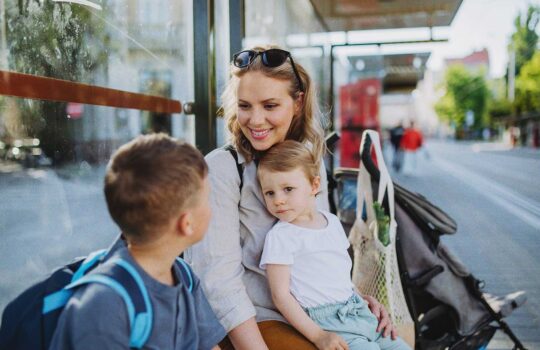
Parents often find that rotating duties helps. One adult can take the kids for a short walk, even just up and down the platform while the other watches the bags. Swapping every 20 minutes keeps everyone fresher and gives kids the chance to burn energy. If you’re traveling solo, mobility becomes more of a challenge, so it’s worth condensing your luggage into fewer bags so you can manage bathroom trips without feeling like you need ten extra arms.
Another overlooked tool: a blanket or even a large scarf spread on the floor. Suddenly, you have a “base camp.” Kids can sit, play, or even lie down without feeling like they’re in the middle of a crowd. Creating that defined space helps children reset, especially when everything around them feels overwhelming.
Turning delays into mini adventures
One of the best mindset shifts parents can make is reframing delays as bonus time. Yes, it’s not what you planned, but it can still be turned into something kids see as special.
Simple activities go a long way. Counting trains as they come and go, making up stories about where other passengers might be headed, or spotting unusual luggage are all games that turn boredom into curiosity. Older kids might enjoy having a camera or phone to create their own “delay diary”. A record of what they saw, ate, or laughed at while waiting.
Exploring the station itself can also help. Many large stations or airports have shops, bookstores, or even small exhibitions. Buying a postcard, picking a silly souvenir, or just browsing can break up the monotony. If you’re near the city centre, you may even have the chance to pop outside for a short walk or playground break, turning a wasted hour into a mini excursion.
Kids rarely remember the frustration the way adults do. What they often recall is that unexpected ice cream at midnight, or the game you played while sitting on the floor. When parents set the tone by making it an “adventure,” kids are far more likely to roll with it.
Keeping kids comfortable during long waits
Comfort is underrated in travel delays, but it can make or break the experience. A child who is physically comfortable is much less likely to spiral into tears.
Temperature is often the first hurdle. Airports can swing from freezing to stuffy within minutes. Dressing kids in layers makes adjusting much easier. A hoodie that doubles as a pillow or blanket is a parent’s secret weapon. Shoes that slip on and off quickly also make it easier for kids to relax when sitting for long stretches.
Bathrooms are another key factor. Nothing is more stressful than needing to sprint across a crowded terminal because you didn’t scout the nearest toilet in advance. Take time early on to find the cleanest, most accessible option. With younger kids, frequent “try before it’s urgent” bathroom visits save you from emergency dashes later.
Finally, think about safe spaces. Having kids sit on a blanket or even just in a quieter corner with their things around them can create a sense of security. A small travel pillow, stuffed toy, or familiar blanket can ground children when everything else feels out of their control. Even just being able to lie down flat for a few minutes can make a huge difference in how long waits feel.
Handling food, naps, and bathroom breaks on the go
Delays have a nasty habit of colliding with basic needs. Just as you’re lining up to rebook, your toddler decides it’s nap time. Or the train is delayed right in the middle of lunch.
The key is flexibility. Easy-to-carry foods like sandwiches, fruit pouches, and crackers prevent hangry meltdowns. They also save money and frustration when the only available option is an overpriced vending machine. Some parents keep a “snack rotation,” pulling out one item every half-hour to keep energy levels steady.
Naps require creativity. Some kids can nap in strollers or carriers; others need a darker, quieter spot. Look for lounges, family rooms, or even quieter hallways where you can settle down for a bit. A blanket over a stroller can mimic darkness and help little ones sleep. For older kids, reclining on a bench with a travel pillow may be enough to catch a quick nap.
And then there’s the bathroom juggle. With multiple kids, it always seems like one needs to go as soon as another has just finished. Building in regular bathroom breaks, even if no one insists they need one will save you from scrambling during the worst possible moments.
When delays stretch into cancellations
Short delays test patience. Cancellations test resilience. Suddenly, you’re not just waiting, you’re rethinking your entire plan.
This is when being informed pays off. Most airlines and train companies have policies that entitle you to rebooking, refunds, or sometimes even hotel stays. Having your tickets stored digitally means you can quickly show proof without rummaging through bags.
With kids in tow, don’t hesitate to approach staff and explain your situation. Families often get priority help, whether that’s moving you up in line or offering alternate routes. Staff know that small children can’t be kept waiting indefinitely, and they’ll usually do what they can.
Sometimes the best solution is to cut your losses. Booking a nearby hotel for the night can be more restful than trying to tough it out at the station. Parents who’ve been through cancellations say that making peace with changing the plan is what keeps everyone sane. It might not be the trip you envisioned, but it becomes part of the family story. So if your airline offers free accommodations for the night, maybe take that and push for a bit more like a voucher for future bookings. It doesn’t hurt to fluff up your hair a bit and look a little more tired than you already are. Just sayin.
Protecting your sanity (and your kids’)
The hardest part of delays isn’t the logistics, it’s the emotional weight. You’re tired, your kids are frustrated, and you feel helpless. That’s when tempers fray and small annoyances turn into major meltdowns.
Parents often share that the key is to let go of the idea of “doing it all right.” A mum on a long-haul forum wrote: “I cried in the airport bathroom once. And then I came back, wiped my face, and we ate cookies on the floor. My kids don’t remember me crying, they remember the cookie picnic.”
Having rituals helps too. A dad described how his family always sings the same silly song during delays. It started as a distraction once, but now it’s tradition. “The kids roll their eyes, but it works. They laugh, I relax, and it resets the mood.”
Above all, give yourself permission to step back. Even just a five-minute walk outside or a coffee break while your partner takes over can recharge you enough to face another hour. And if you’re solo? Fellow parents often recommend finding a “delay buddy” another parent in the same boat who understands and can share the load for a little while.
Delays don’t have to derail the trip
Travel delays with children are tough, no question. They stretch patience, test flexibility, and sometimes make you wonder why you even left home in the first place. But they also hold potential for unexpected moments like a silly game played on the floor of a station, a snack picnic in an airport lounge, a story your kids will retell years later.
As one mum put it after a 12-hour layover: “We missed our connection, spent a fortune on snacks, and I was exhausted. But my kids still talk about the moving walkway races and the giant teddy bear we bought. For them, it was magical.”
The truth is, kids rarely remember the stress the way adults do. What they carry forward is how you made them feel during the disruption. If you set the tone and remain calm, flexible, maybe even playful they’ll remember the adventure, not the frustration.
With preparation, patience, and a willingness to let go of the perfect plan, delays don’t have to ruin a family trip. They can be just another chapter in the story. One that shows your kids that travel, like life, isn’t always predictable, but it’s always worth it.
Too Long? Here are the most common questions we’re asked.
Snacks, spare clothes, small toys, wet wipes, a power bank, and comfort items are essentials. A compact blanket is also helpful for both play and naps.
Explore the station, play simple games like “I spy,” bring sticker books, or let older kids document the delay with photos or a travel diary.
Most operators must rebook you or refund your ticket. In some cases, families are entitled to hotel or meal vouchers. Always ask about family accommodations.
Look for quiet corners, family lounges, or cafés. Strollers and carriers often work for younger kids. A travel pillow can help older children nap in waiting areas.
Rotate responsibilities with a partner, step outside for fresh air, and establish family rituals like a story, a snack, or a song to keep spirits grounded.