When overpacking meets a shoebox-sized cabin
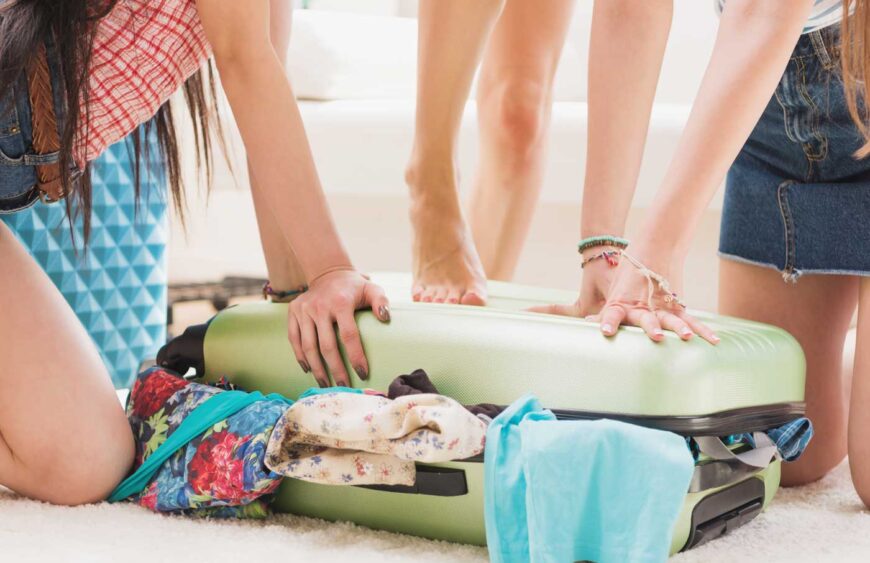
Every parent has done it: brought half the house on holiday, convinced that if you forget one thing, the trip will collapse. On a cruise, the instinct to overpack collides with reality. Cabins are compact, storage is limited, and once you’re at sea there’s no corner shop for diapers, formula, or motion sickness bands. At the same time, underpacking is just as risky. Some items you can’t replace onboard, or if you can, they cost double and come in limited brands. The challenge of cruise packing is to strike the balance between bringing what truly matters, and leaving behind what doesn’t, and setting up your cabin in a way that keeps you sane for a week or more at sea.
What you’ll find in this guide:
Why cruise packing is different
Cabin realities
Packing for babies and toddlers
Packing for school-aged kids
Packing for tweens and teens
What to bring for port days
Cruise-specific essentials
What not to pack
Traveling lighter, smarter
FAQ
Why cruise packing is different from other trips
On a land holiday, forgetting something is no big deal. You can duck into a supermarket or pharmacy and restock. At sea, you’re at the mercy of the ship’s limited shops. They may stock a few basics like diapers in two sizes, a tube of sunscreen, paracetamol. But not always the brand or type your child needs. And prices reflect convenience, not value.
The other major difference is space. Cruise cabins are designed for efficiency, not sprawling storage. What looks manageable when you’re packing at home quickly turns into clutter when four people are living in a room the size of a budget hotel bathroom. Overpacking means tripping over shoes and digging through piles just to find pajamas. Smart packing means you keep chaos under control.
Cabin realities: tight space, smart storage
The best-packed suitcase is useless if it explodes across the cabin. Families who thrive on ships treat cabins like mini-apartments. Suitcases slide under the bed once emptied. Packing cubes turn into drawers you can pull out and stack. Magnetic hooks go straight on the metal walls, instantly giving you places to hang wet swimsuits, jackets, or lanyards. An over-the-door organizer creates pockets for sunscreen, water bottles, and small toys, freeing the desk for what really matters.
A laundry bag is essential. Without one, dirty clothes creep across the floor and mix with clean piles until nothing feels fresh. Even a collapsible pop-up hamper can make the room feel more livable. Nightlights help when kids wake at 2 a.m. in an unfamiliar room. A small white-noise machine or app masks hallway noise and makes bedtime calmer.
For more on turning chaos into calm once you’re onboard, our guide to unpacking strategies explains how to settle in fast. (coming soon)
Packing for babies and toddlers
Cruising with little ones is about self-sufficiency. Ships rarely stock enough diapers, wipes, or formula, and even if they do, it’s rarely your brand. Bring more than you think you’ll need. Especially on itineraries with long sea days. Pack sterilising tablets for bottles if you don’t want to rely solely on cabin sinks. A foldable tub or inflatable basin makes bath time easier, especially in cabins with only showers.
Comfort items matter more than toys. A familiar blanket, a favorite stuffed animal, or a white-noise machine can mean the difference between sleep and chaos. Bring swim diapers even if your ship has splash zones. Most pools ban them, but water play areas often allow them. A lightweight stroller that folds easily helps both onboard and ashore, while a carrier is essential for cobblestoned ports or tender boats where strollers are awkward.
Some cruise lines make life easier for parents. Disney and Royal Caribbean offer nurseries with staff care for under-threes. MSC partners with Chicco to provide under-threes spaces and even complimentary baby gear on some ships. AIDA goes further, with parent kitchens stocked with microwaves, fridges, and complimentary jars of HiPP baby food, which is a godsend when you need warm milk at midnight. Knowing what your line offers before you pack can save serious space.
For more detail, see our dedicated guide to cruising with babies and toddlers. (Coming Soon)
Packing for school-aged kids
This is the easiest stage to pack for, but it still comes with pitfalls. Kids between four and ten need clothes that cover multiple moods: play outfits for messy crafts, swimsuits and rash guards for splash zones, and casual evening wear for dinners. Many lines also run themed nights. Disney does pirate nights, some lines have formal nights. So a costume or dressier outfit keeps kids from feeling left out.
Downtime is just as important as activities. A few small books, colouring supplies, or a favourite card game give you quiet moments when overstimulation hits. Headphones for audiobooks or music are a sanity saver on flights to the port and during quiet afternoons in the cabin.
Packing for tweens and teens
Older kids don’t need much supervision, but they still need gear that keeps them comfortable and independent. Headphones, devices, and portable chargers are non-negotiables for many teens, but so are water bottles, swim gear, and casual clothes that feel age-appropriate. If your teen plans to use sports courts, pack trainers. If they like to dress up, give them a couple of smarter outfits for dinners and shows.
Wi-Fi is patchy and expensive, so discuss expectations before you board. Some families buy a package and ration it; others encourage journaling, photography, or offline apps instead. Packing a camera, sketchbook, or travel diary gives teens an outlet beyond screens.
What to bring for port days
A successful port day depends on your day bag. A lightweight backpack or collapsible tote keeps everything together: water bottles, snacks, sunscreen, hats, swim shoes, a change of clothes, and a small first-aid kit. If you have younger kids, throw in extra diapers and wipes.
Stroller choice matters. In ports with cobblestones or lots of stairs, a baby carrier is easier. In flat, stroller-friendly destinations, wheels save everyone’s legs. Remember that tender ports, where you take a smaller boat to shore, may require folding strollers completely, so lightweight models win every time.
For more guidance on making the most of your days ashore, see our guide to family-friendly cruise excursions. (coming soon)
Cruise-specific essentials parents often forget
Certain items come up again and again in parent forums as lifesavers. Lanyards for keycards mean you don’t dig through bags at every door. Refillable mugs or cups cut down on trips to the buffet for drinks. Reef-safe sunscreen keeps your family compliant with environmental rules on certain islands. Motion sickness remedies, whether wristbands, ginger chews, or medication recommended by your paediatrician are non-negotiable if you’re cruising with kids prone to queasiness.
A small medicine kit saves you a late-night dash to the medical centre. Include pain relief, antihistamines, band-aids, and anything specific your child might need. Cruise doctors are capable, but comfort in the moment often comes from having the right medicine on hand.
What not to pack
Cruises have strict rules on prohibited items. Travel irons, kettles, and surge-protector power strips are usually banned for fire safety. Hairdryers are supplied in cabins, so you can skip yours. Leave bulky toys at home; cabins don’t have space for big Lego sets or giant stuffed animals. Shoes multiply fast, so pare down to essentials: sandals, trainers, and one dressier pair if needed.
The rule of thumb is simple: if it doesn’t serve more than one purpose, it probably doesn’t deserve space in your suitcase.
Traveling lighter, smarter
Packing for a cruise with kids is part art, part science. Overpack and you drown in clutter. Underpack and you end up paying premium prices for basics. The goal isn’t to bring everything, it’s to bring what makes your family feel secure, comfortable, and ready to enjoy the ship. With the right essentials, a few comfort cues from home, and smart use of cabin storage, cruising with kids doesn’t have to feel like survival mode. It can feel like what it’s meant to be: a holiday.
Too Long? Here are the most common questions we’re asked.
Yes. Most lines offer travel cots or pack-and-plays if requested in advance. High chairs are available in restaurants.
Most lines allow sealed, pre-packaged baby food and formula. Some even provide complimentary jars, like AIDA. Always check policies before you pack.
One outfit per day plus a couple of spares is enough. Laundry services are available, though they’re not cheap.
Check your line. Disney has themed nights, Royal and Carnival still host formal evenings, while Norwegian and MSC tend to be more relaxed.
Pain relief, motion sickness remedies, plasters, and any prescriptions. Cruise medical centers are well-equipped but expensive for basics.