Cities offer kids something no other trip can
There is a particular moment that happens on almost every family city trip. You step out into the street, still adjusting your bag or your stroller or your morning coffee, and your child has already spotted something fascinating. It might be a tram rattling by, a dog wearing a tiny jacket, a fountain they want to put their whole face into, or a market stall bursting with fruit they have never seen before. Cities greet kids with instant curiosity, and children meet that energy with wide open eyes.
This is the quiet secret of city travel. Cities do not wait for kids to warm up. They unfold immediately. They offer a steady stream of stimulation that feels playful rather than overwhelming when you enter the city with the right mindset. For families, that means the adventure begins the moment you lock your accommodation door behind you.
City breaks are not simply “trips with things to see.” They are immersive, sensory little worlds where children discover how much life exists outside their routines. And that alone makes them worth considering.
What you’ll find in this guide:
Moving through a city
Cities feed curiosity
A certain kind of beauty
Simple pleasures over big attractions
Children experience freedom
Shared stories you didn’t expect
A chance to see the world differently
FAQ’s
Moving through a city becomes part of the adventure
Adults see public transit as a means to get somewhere. Kids see it as the highlight of the day. Buses, trams, funiculars, ferries, cable cars, metro rides, bike shares. Every city has its own rhythm of movement, and children treat each mode like a whole new adventure.
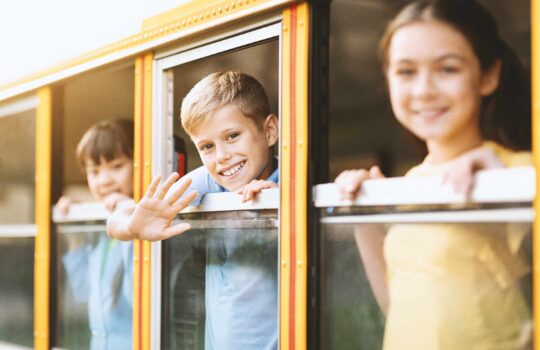
There is something undeniably joyful about watching a child press their nose to a window on a city tram, tracing the blur of buildings and people as if the whole town has become a storybook moving past them. Even simple things, like tapping a transport card or waiting for a pedestrian light to turn green, feel like participation in the everyday dance of a city.
It also gives families access to experiences they would never reach on foot. You can travel between vibrant quarters, waterfronts, historic districts, modern museums, and local markets in the time it takes a toddler to finish a snack. The city becomes an interconnected playground.
Cities feed curiosity
Children ask questions. Cities answer them. Why is that statue holding a fish. Why is that building shaped like that. Why does that bakery smell so good. Why is that fountain so popular. Why do trains disappear into the ground. Why does everyone walk so fast. Why are there so many people speaking funny.
Cities invite children to look closer. They learn how other people live, what other families do, how cultures express themselves, and how daily life looks in a completely different setting. They see artists painting in squares, tiny shops selling things they have never seen, and architecture that turns their heads into curious periscopes.
City travel is one of the easiest ways to show kids the world without overwhelming them. Curiosity becomes a bridge. Every little discovery sparks a conversation. Every small detail becomes a learning moment disguised as fun. And parents get to watch their child light up again and again.
There is a kind of beauty cities offer for kids
Cities are full of contrasts. Narrow lanes open onto bright squares. Old stone buildings give way to shimmering rivers. Noise fades into quiet courtyards. A busy intersection sits next to a patch of green where children run freely. To kids, this contrast is exciting. It keeps them engaged without needing constant entertainment.
Urban parks become havens. Waterfronts offer long stretches to wander and throw imaginary treasure into the waves. Markets tempt with colours and smells. Even the geometry of a city fascinates kids. Patterns in tiles, arches in doorways, murals on walls, reflections in tall windows. Children notice it all. Ever see people surfing in the middle of the city? You would if you visit Munich.
Parents sometimes forget that cities can be beautiful in ways that do not require tickets, queues, or carefully planned activities. Kid’s reactions remind us of that.
Your days can be shaped by simple pleasures rather than big attractions
Parents often imagine city breaks as cultural marathons. In reality, the best family city days are the simple ones. A morning walk to a café. A stop at a playground hidden between apartments. A wander through a quiet market street. A ride across the river. A spontaneous break on a sunny bench. A late afternoon bakery treat eaten with sticky fingers and delighted sighs. We always like to create a small daily routine with a child every city we are in. Sometimes my daughter and I will sneak out early in the mornings to have a croissant at a local bakery together before anyone else wakes up. Other times, my son and I will find a local football match to watch together.
These are the days children talk about later. Not the museum they were too tired to enjoy or the landmark that meant more to the adults than to them. City breaks become memorable when you let the day breathe. When you let curiosity lead. When the family feels carried along by the rhythm of the place rather than pushing against it.
This style of travel also leaves room for spontaneity. You might discover a local festival. You might find a street performer who captivates your kids for twenty minutes. You might stumble into a neighbourhood that feels so alive you return the next day just to soak in its atmosphere again.
Cities reward the families who slow down enough to notice their small wonders.
Children experience freedom in cities in new ways
Urban trips encourage small bursts of independence. Kids learn to navigate simple public spaces, make tiny choices, and observe how people interact in places far busier than home. They learn to cross wide plazas, follow a map with you, count the number of tram stops, and understand how different cities speak different visual languages.
Even shy or reserved children often bloom in cities because there is so much to take in. The world feels bigger, but also welcoming. They realise they can be part of a place that is unfamiliar and still find comfort within it.
Cities can help kids grow. Just gently, quietly, in ways you notice when you get back home and see their world a little wider.
City trips create shared stories you did not expect
Every family collects moments when they travel. Cities simply provide more of them. Maybe it is the toddler who insisted on greeting every dog within a three kilometre radius. Maybe it is the child who became obsessed with the tram bell. Maybe it is the time you found yourselves in a park surrounded by families doing the exact same thing you were doing, simply enjoying the day and each other. Rare. But it happens.
City breaks give you stories that feel lived in rather than staged. They connect you to a real place with real people. And that closeness, that sense of stepping into someone else’s everyday life, stays with children long after the trip ends. It doesn’t hurt to document these at the end of the day in a little journal to help you mentally unwind and get ready for the next day. You’d be surprised how many things happen in a day that didn’t seem like “a thing” at the time until you write it down.
Cities give families a chance to see the world differently
City breaks with kids are not about rushing or checking boxes and taking selfies in front of monuments. They are about connections. They show children that the world is full of ways to live, move, eat, and celebrate. They give parents a front row seat to their child’s curiosity. And they remind everyone that adventure can be found in the most ordinary of moments, not only the grand ones.
Cities are alive, expressive, spontaneous, and full of gentle surprises. Families who give city breaks a chance often find themselves returning to them again and again, because they offer something rare. They bring out a child’s wonder and a parent’s appreciation at the same time.
And that is a beautiful way to travel together.
Too Long? Here are the most common questions we’re asked.
Not when you experience them slowly. Children adapt quickly and often find joy in the small details adults overlook.
Yes. The variety of sights, parks, transport, and simple foods makes cities surprisingly toddler friendly.
Not really. A loose outline helps, but cities reward wandering and discovery.
Some, yes. But many of the most memorable moments come from everyday urban life.
The mix of movement, discovery, beauty, and community. Cities offer layers of experience in a compact space.