Jump to Section:
The Luggage Debate
When Backpacks Make More Sense
When Suitcases Win the Day
Hybrid Options
How Kids Fit In
Managing Airports, Trains, and Buses
Packing Strategies That Work
Final Thoughts
FAQs
The Luggage Debate Every Parent Faces
Traveling as a family changes everything you thought you knew about packing. Before kids, you may have been a hand-luggage-only type who could breeze through security with a single carry-on backpack. Add a baby or toddler to the mix, and suddenly you’re debating whether to invest in rolling suitcases big enough to fit a small pony, or tactical-looking backpacks that promise hands-free mobility.
The truth is, there’s no single “right” answer. Many parents on travel forums admit they’ve switched strategies several times depending on the age of their kids, the type of trip, and even the season. A backpack that felt liberating on a short city break can feel like a medieval torture device during a sweaty layover, while a suitcase that glides easily through an airport may become an absolute nightmare when faced with cobblestones or metro stairs.
When Backpacks Make More Sense
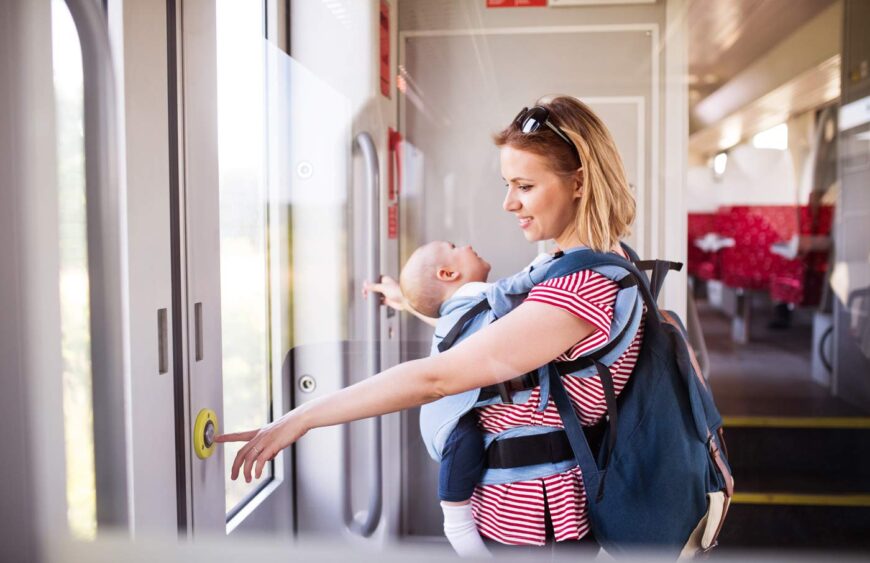
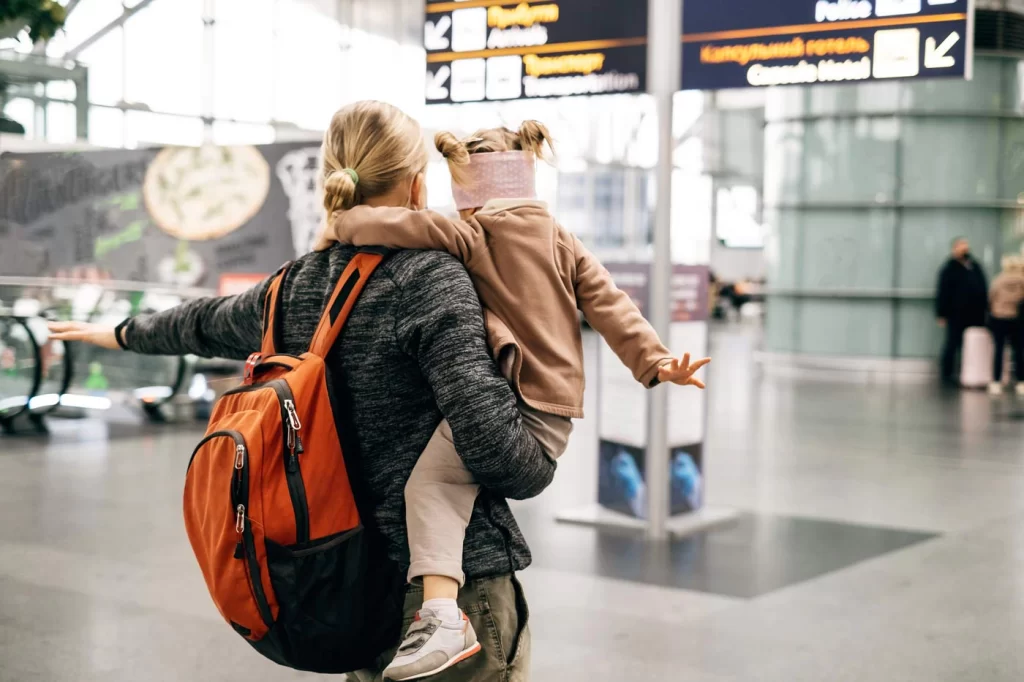
Backpacks are often praised by parents because they keep your hands free and anyone who’s ever chased a toddler through an airport knows why that matters. You can sling a carrier over your front, hold your child’s hand with one arm, and still manage snacks with the other.
They also shine for trips that involve lots of transfers or less predictable infrastructure. Think: hopping between trains in Europe, catching ferries, or staying in guesthouses without elevators. Parents on Reddit often note that wheeled luggage becomes a burden when you’re dragging it up staircases, while a backpack lets you move more fluidly. God forbid you cheaped out and got a suitcase from Walmart and now one of the wheels broke off during your layover on your first day of 3 week holiday. Been there. Spoiler alert: It ain’t fun.
That said, comfort and capacity matter. Hiking-style packs with hip belts can distribute weight, but they can also overwhelm smaller parents. Specialized travel backpacks, like Osprey’s Farpoint/Fairview or Cotopaxi’s Allpa, are popular among families because they open like a suitcase, making it easier to organize clothes for multiple kids.
When Suitcases Win the Day
Rolling luggage still has one unbeatable advantage: wheels. In airports with smooth floors and wide corridors, a suitcase glides along effortlessly and saves your back. Families heading to resorts or road trips where you’re mainly moving bags from car to hotel room often swear by large, hard-sided suitcases.
Suitcases also tend to protect items better. Breakables, like bottles of baby food or breast pumps, survive long-haul flights more safely in a hard shell. And packing cubes fit neatly into rectangular suitcases, which makes dividing space between parents and kids simpler.
Many parents also appreciate that older children can help with rolling. A six-year-old may not manage a heavy backpack, but they can often wheel their own little carry-on, which fosters independence. Some even treat the child’s bag as an entertainment kit, stocked with coloring books, snacks, and a cozy blanket for the plane.
Hybrid Options and Creative Compromises
Not every family falls strictly into Team Backpack or Team Suitcase. Hybrid gear has emerged in recent years, and many parents rave about it. Wheeled backpacks (sometimes called “convertible luggage”) combine the best of both worlds, allowing you to roll bags in airports but carry them on your back when the terrain gets rough.
Another common compromise is mixing and matching. One parent takes a backpack for essentials, while the other manages a larger suitcase for bulkier items. Families traveling with multiple kids often find this balance useful: the backpack parent is more mobile, while the suitcase parent acts as base camp with extra clothes, diapers, or food supplies.
How Kids Fit Into the Packing Equation
Children’s needs change quickly, which means your luggage strategy may change too. Babies require more gear. Think bottles, formula, sleep sacks, and portable cribs which often makes suitcases appealing for sheer volume. But once kids are toddlers, they carry more of their own entertainment, and the appeal of backpacks rises.
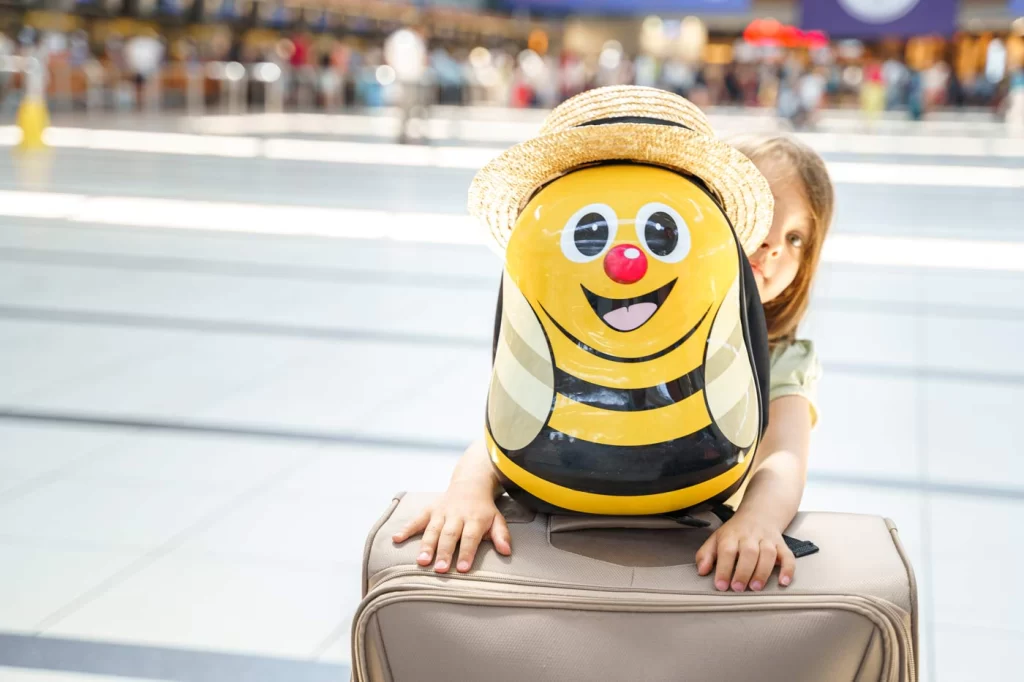
Some families swear by giving each child a small piece of personal luggage. Trunki ride-on suitcases or mini rolling bags from Samsonite are popular because they give kids ownership and motivation. Others prefer keeping everything consolidated in parent bags to avoid meltdowns when a child refuses to carry their own case.
The middle ground is often best: let kids have a small backpack for toys and snacks but keep essentials like clothes and medication under parental control.
Managing Airports, Trains, and Buses
The choice between backpacks and suitcases often comes down to where you’ll be moving most. Airports with long walks to terminals are manageable with rolling bags, especially if you have a luggage cart. But metro-heavy trips, like Rome or Paris, can turn rolling luggage into a daily annoyance.
Parents in family travel Facebook groups often mention train platforms as a deciding factor. In countries where trains require you to board quickly, backpacks free up your hands to wrangle children and tickets at the same time. In contrast, suitcases can become obstacles on narrow doors and aisles.
If you’re relying on buses, backpacks usually win. Suitcases may not fit in overhead racks, and stowing them underneath can be nerve-racking when you need constant access to diapers or snacks.
Packing Strategies That Work With Either
No matter which style of luggage you choose, smart packing can make or break your trip. Many parents swear by:
- Packing cubes: Divide clothing by family member so you’re not rummaging for socks at 2 a.m.
- Capsule wardrobes: Borrowing from stylists like Tan France, stick to 3–4 mix-and-match outfits per person, built around neutral colors. This saves space and reduces decision fatigue.
- Accessibility layers: Keep a “go bag” inside your main luggage with essentials you’ll need on arrival — pajamas, toothbrushes, diapers — so you don’t have to unpack everything after a late flight.
- Spreading Wardrobes throughout bags: Our family go-to that has saved our asses more than once is spreading our clothes through different bags to make sure essentials are in each. So if your bag gets left behind, you still have a clean pair of underwear and socks to throw on while you wait on hold with airline customer service.
Both suitcases and backpacks work better with these strategies. It’s less about the shape of the luggage and more about how you use the space.
Final Thoughts
So, backpacks or suitcases? The truth is, the best choice depends on your family, your trip, and your tolerance for chaos. Backpacks free up your hands but test your shoulders. Suitcases offer structure and ease but can turn into clunky anchors when the pavement ends.
What matters most is flexibility. Many seasoned parents say their best trips came not from picking the “perfect” bag but from adapting their luggage to the trip at hand. In the end, your kids won’t remember whether you hauled an Osprey or a Samsonite — they’ll remember the adventures you carried those bags to.
Too Long? Here are the most common questions we’re asked.
A: It depends on your trip. Backpacks work well for mobility-heavy journeys with stairs, trains, and buses. Suitcases are easier for airports, resorts, and road trips.
A: Many parents give older kids a small rolling case or backpack. Just be prepared to take over when they get tired.
A: Yes, they combine the convenience of rolling luggage with the flexibility of a backpack, though they’re often heavier than either option alone.
A: Packing cubes and capsule wardrobes help keep things organized and reduce bulk, no matter which luggage style you choose.
A: Yes, as long as they meet size and weight limits. Always check your airline’s policy before flying.