Jump to Section:
Why Hacks Matter
Hack 1. Don’t Fold
Hack 2. Zip Bags Are Your Friends
Hack 3. The Power of Packing Cubes
Hack 4. Snacks as Fillers
Hack 5. Multipurpose Everything
Hack 6. Laundry on the Go
Hack 7. Toy Rotation
Hack 8. Return Flight Pouch
Hack 9. Digital Copies and Backups
Hack 10. Shoes and Socks Strategy
Common Pitfalls with Hacks
Wrapping Up: Hacks that Stick
FAQs
Why “hacks” matter when traveling with kids
If you’ve ever packed for a family trip, you know it’s less “throw a few things in a bag” and more “logistics operation worthy of a moving company.” Between clothes, snacks, toys, medical supplies, and the “just in case” items kids always seem to need, your suitcase fills faster than you can zip it. That’s why parents don’t just pack, they hack.
Packing hacks aren’t about Pinterest-perfect suitcases or Instagrammable flat lays. They’re about real-world tricks that make the difference between a calm journey and a meltdown at gate C14. These are the tips passed between parents in airport lines, shared in parenting forums, and whispered like secrets in hotel lobbies. And the best part? They actually work.
Hack one: roll, don’t fold
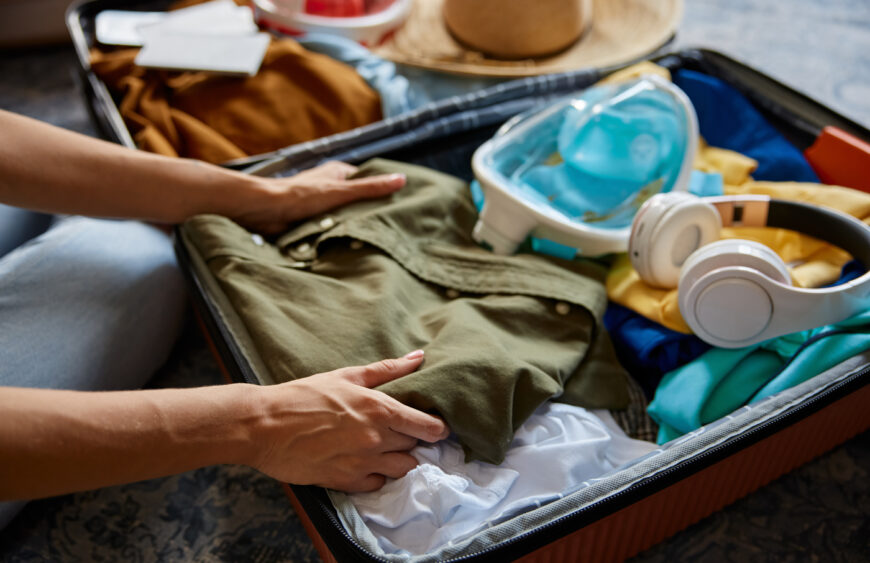
Every parent has faced the mountain of laundry that somehow has to fit into two suitcases. The simplest hack to buy space is also the oldest: roll clothes instead of folding. Rolling keeps outfits compact, reduces wrinkles, and lets you see everything at a glance.
Parents often go a step further and roll complete outfits together. Shirt, bottoms, underwear all in one bundle. That way, kids can grab a roll and get dressed without rummaging through piles. It’s faster, tidier, and saves arguments over “what goes with what” on busy mornings.
Hack two: ziploc bags are your best friend
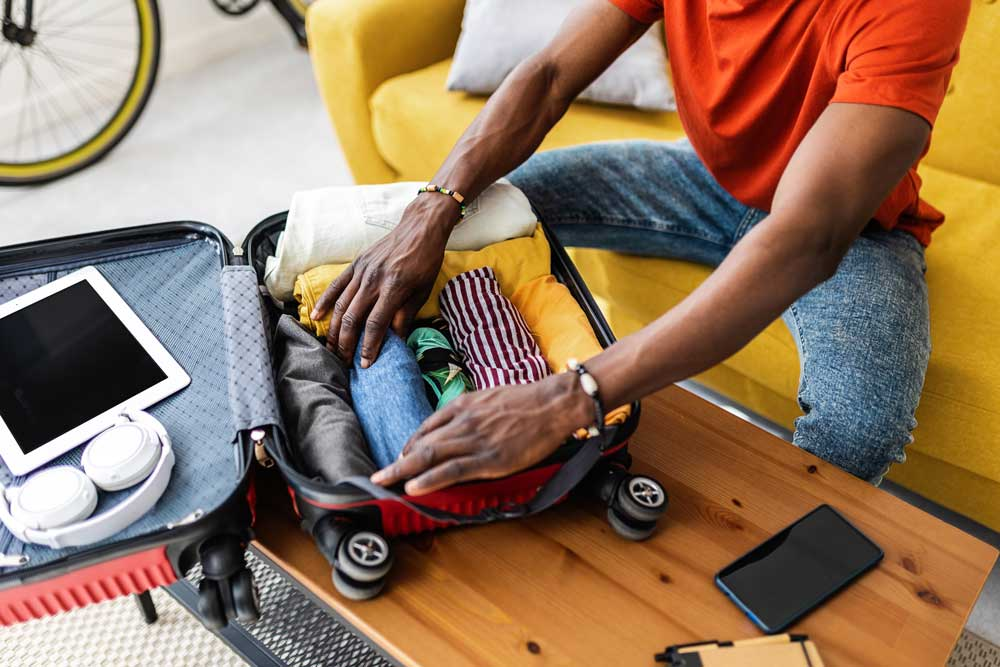
If there’s a universal parenting truth, it’s that ziploc bags are worth their weight in gold. They’re cheap, lightweight, and endlessly versatile. Many parents pack a whole stack in different sizes, and they get used for:
- Storing outfits for each day
- Separating clean and dirty clothes
- Keeping snacks fresh
- Containing leaky toiletries
- Emergency “barf bags” mid-flight
The beauty of zip bags is they don’t just organize, they contain chaos. Spills, smells, stickiness? Sealed away until you can deal with them. Never leave home without them. Not just when traveling, but any time you are out and about. You can never have too many. You don’t even need the brand name ones. Ikea ones will do just as well for smaller things.
Hack three: the power of packing cubes
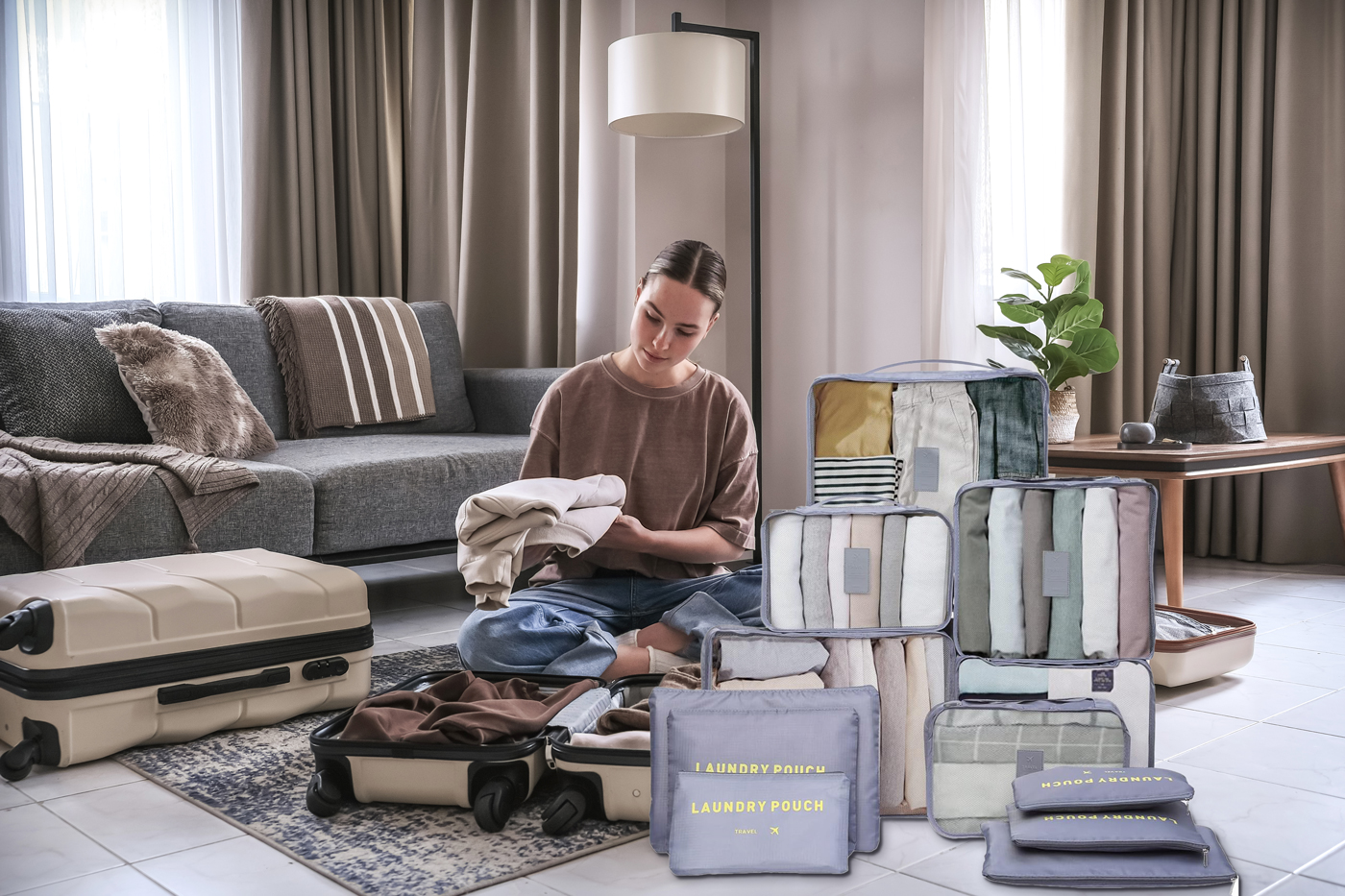
We’ve said it once. And we’ll say it again. Packing cubes have graduated from “travel influencer gimmick” to genuine parenting lifesaver. Parents swear by giving each child a color-coded set. Not only does it keep clothes separate, but it also teaches kids ownership over their own things.
A few clever tweaks make cubes even more effective:
- Assign one cube as the “first night cube” with pajamas, toothbrushes, and bedtime items so you don’t have to unpack everything after arrival.
- Keep a dedicated “flight cube” with wipes, snacks, and activities in your carry-on for easy access.
- Use mesh cubes for clothes and waterproof ones for swim gear or toiletries.
The result: no more suitcase explosions in hotel rooms. For more info we go into more detail here.
Hack four: snacks as space-fillers
Snacks aren’t just food, they’re currency when you’re traveling with kids. A well-timed granola bar can buy you ten minutes of peace at check-in, and a surprise fruit leather can turn around a brewing meltdown. The trick is not just what you pack, but how you pack it.
Instead of treating snacks like their own bulky category, savvy parents use them as built-in padding. Seal small portions in reusable bags and slip them into shoes, tuck them into the corners of a suitcase, or slide them between packing cubes. It’s like adding edible bubble wrap that cushions your gear while doubling as a meltdown-prevention tool. Solid snacks like dry cereal, trail mix, and pretzels pack tightly without crumbling.
Parents also talk about the value of tiered snacks: everyday items (applesauce pouches, crackers) for regular hunger, and a few “emergency treats” (lollipops, cookies, gummy bears) reserved for moments when patience is running dangerously low. A surprise snack feels special, and sometimes that novelty is enough to distract a tired child.
The beauty of this hack is that it saves space and sanity. Instead of cramming a separate snack bag on top of everything else, you distribute the food so it works harder for you. And since kids never stop asking for something to eat, you’ll free up that space quickly anyway.
Hack five: multipurpose everything
One of the fastest ways to cut down the bulk in your suitcase is to ditch single-use items. Parents who travel often quickly learn that the smartest gear earns its place by pulling double or even triple duty. Instead of packing a dozen different things “just in case,” a few well-chosen multitaskers can solve the same problems while saving precious space and weight.
A muslin cloth is the classic example. It can be a swaddle for the baby, a light blanket on chilly planes, a sunshade over the stroller, or even a towel after an unexpected splash. A large scarf can be both a parent’s outfit accessory and an emergency picnic blanket at the park. Even a stroller rain cover can double as a makeshift ground mat when the grass is damp.
The beauty of multipurpose packing isn’t just about space, it’s about flexibility. When kids inevitably throw you a curveball, having items that adapt makes you feel prepared without dragging half the house along.
- A muslin cloth that works as a swaddle, blanket, sunshade, or towel.
- A large scarf that’s both a parent’s accessory and an emergency picnic blanket.
- A stroller rain cover that doubles as a ground mat at the park.
The less single-use stuff you carry, the more space and sanity you save.
Hack six: laundry on the go
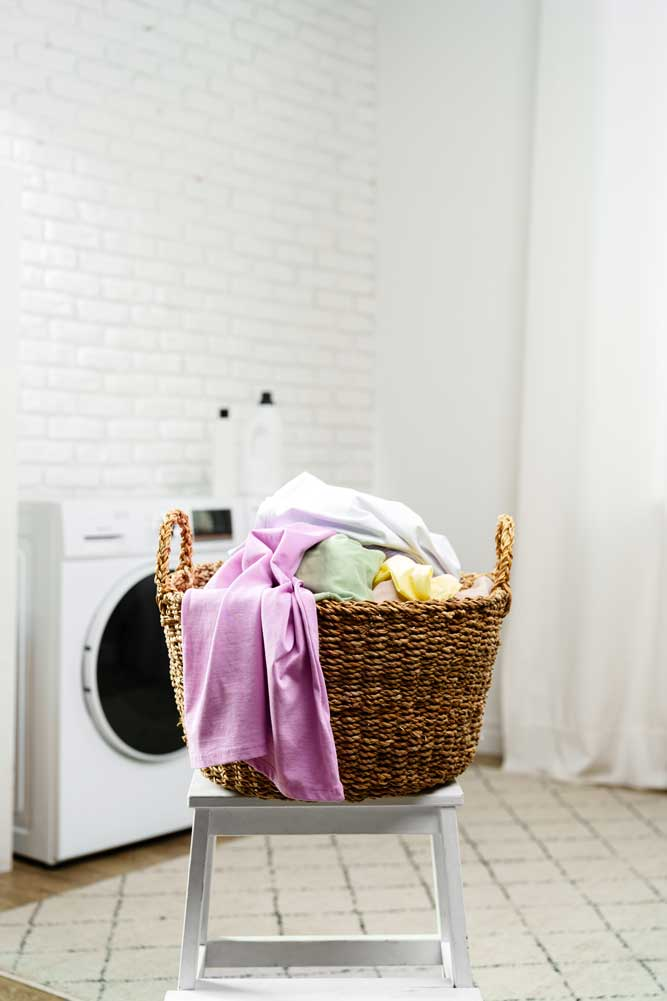
The dirty little secret of family packing hacks is this: you don’t need to bring as much as you think. Parents who travel often say the real trick is planning to do laundry mid-trip. Whether it’s a quick hotel sink wash with travel detergent sheets or finding a local laundromat, cutting your clothing load in half is a game-changer.
Some families even pack a foldable hanging line and a handful of clothespins. It looks fussy, but when your toddler soaks three outfits in one afternoon, you’ll be glad you can dry a few items overnight. Not gonna lie though. In some cities we actually look foward to going to a Laundromat. It gives me time to myself and I get to feel even more connected to the city we’re staying in. Sounds weird. I know.
Hack seven: the toy rotation trick
Packing toys is always a gamble. Too few, and boredom sets in. Too many, and you’re lugging half the playroom. The hack parents swear by is rotation: bring a small set of toys and only reveal them one by one.
Many parents wrap a few in tissue paper to make them feel like gifts mid-flight. Others keep a stash of dollar-store trinkets or new coloring books hidden until absolutely necessary. The rotation trick stretches a few items into hours of entertainment. But make sure you still have some surprizes up your sleeve for the flight home. It helps to keep one or two packed away in your return flight pouch. Which brings us to the next hack…
Hack eight: the “return flight pouch”
The flight home is often tougher than the one out. Kids are tired, parents are running on less patience, and the excitement of the destination has worn off. That’s why so many parents swear by packing a return flight pouch. A stash of fresh snacks, activities, and clothes set aside just for the journey back.
Think of it as a time capsule for future you. While you’re packing at home, tuck in a few unopened snacks, a new coloring book, a small toy, and a clean outfit for each child. Hide the pouch deep in the suitcase so it stays untouched until the day you repack to return. When everyone’s cranky at the end of the trip, this little bag feels like a lifesaver.
Parents who’ve tried it say the return pouch makes the difference between dragging through the last leg of the trip and finishing on a surprisingly calm note. It’s such a simple hack, but it feels like a small gift to your future self.
Hack nine: digital copies and backups
Few things spike parental stress faster than the thought of losing passports or boarding passes halfway through a trip. That’s why veteran travelers swear by creating layers of backups before they ever leave home. At minimum, keep digital scans of passports, tickets, hotel confirmations, and insurance details stored securely on your phone. Many parents also upload them to cloud storage or email them to themselves so they can be accessed from any device.
But digital alone isn’t foolproof. Phones die, Wi-Fi fails, and apps crash. That’s why it’s smart to carry a slim waterproof folder with paper copies of the most important documents. Slip it into the parent’s carry-on, and you’ve got an old-school safety net if tech lets you down.
For extra peace of mind, some parents create a shared folder with a trusted family member back home. That way, if your bag is lost or your phone stolen, someone can quickly email the copies to an embassy, airline, or hotel. It feels like over-preparation, but when you’re traveling with kids, having those backups takes one major worry off the table. Just imagine forgetting a bag somewhere with all your important info in it and thinking to yourself… “Alright”.
Most important documents to digitize:
- Passports (front page + visas if applicable)
- Flight tickets and boarding passes
- Hotel or rental confirmations
- Travel insurance details and emergency contacts
- Child vaccination or medical records (some destinations ask for them)
- Car rental or transfer bookings
- Itinerary with key addresses (hotel, consulate, doctor)
Best online storage options for families:
- Google Drive: Easy to use, works across devices, lets you share a folder with a spouse or trusted relative.
- Dropbox: Simple, reliable, works well if you prefer not to tie everything to Google.
- Apple iCloud: Seamless for families already using iPhones/iPads.
- Password-protected PDF in email: A good backup option if you don’t want to manage another app.
Hack ten: shoes and socks strategy
Shoes take up more space than anything else in a suitcase. Parents hack this by limiting each child to two pairs: one for everyday wear, one for backup/dressier needs. And they stuff the shoes with socks, snacks, or small toys to use the space.
Pro tip: always pack one pair of flip-flops or slip-ons for quick hotel runs or beach breaks. Parents swear this prevents kids from stomping barefoot into questionable hotel hallways.
Common pitfalls with hacks
Not all hacks are created equal, and some backfire. Parents admit a few common mistakes:
- Trying too many hacks at once. Over-engineering the system just creates confusion.
- Relying only on “cute” Pinterest tricks that don’t stand up to messy reality.
- Forgetting that hacks should simplify, not complicate.
The best packing hacks are the ones you actually remember to use when you’re tired, stressed, and holding a squirming toddler at the gate.
Wrapping it up: hacks that stick
Packing hacks aren’t magic. They won’t erase jet lag or stop a toddler from spilling orange juice in your lap. But they do give parents tools to make travel smoother, bags lighter, and days a little less chaotic. The hacks that stick aren’t the flashy ones. They’re the simple, boring, endlessly useful ones that make you wonder why you didn’t do it sooner.
Too Long? Here are the most common questions we’re asked.
Rolling clothes, using packing cubes, and bringing zip-top bags are the top parent-approved hacks.
By packing multipurpose items, stuffing shoes with small essentials, and planning to do laundry mid-trip.
Pack small, mess-free snacks in portioned bags and keep a few “surprise treats” hidden for meltdowns.
Color-coded packing cubes or zip bags with complete outfits per day make dressing easier.
Packing a “return flight pouch” with fresh snacks and activities so the trip home isn’t miserable.