
Best Family Travel Destinations by Age Group
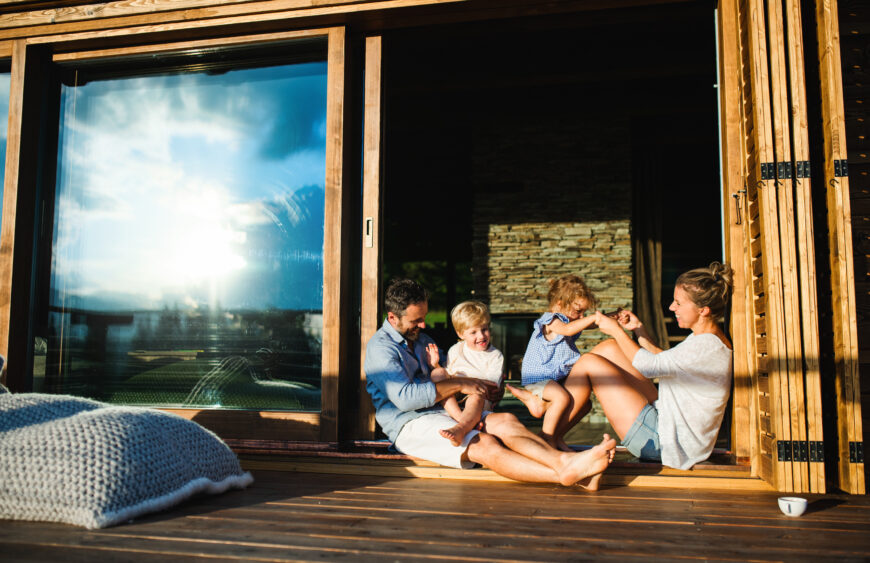
Planning a family trip isn’t just about picking somewhere sunny and hoping for the best.
When you’ve got kids in the mix, your choice of destination can make or break the whole experience. A spot that’s perfect for a five-year-old might be exhausting with a baby in tow. And a city that thrills a teenager might be a boredom trap for a toddler. The magic happens when you match your travel plans to your child’s age, stage, and personality.
The truth is, kids change fast, and so do their travel needs. One year you’re scouting places with changing tables and blackout curtains, the next you’re looking for zip-lines and youth hostels with Wi-Fi. The more your destination works with their current abilities and interests, the less you’ll spend your “holiday” negotiating meltdowns and counting the minutes until bedtime.
Here’s a guide to age-appropriate travel picks that help everyone. Including you. To actually enjoy the trip.
Babies (0–12 months):
Calm, Comfort, and Close to Home
Babies are surprisingly portable, but that doesn’t mean you should take them halfway around the world just because you technically can. In this stage, ease and predictability are worth their weight in gold. You want somewhere where naps are easy to manage, supplies are easy to find, and you won’t panic if you need a doctor in the middle of the night.
Destinations with short travel times, a stable climate, and easy access to facilities make all the difference. Resorts or rentals with kitchenettes are lifesavers for sterilising bottles or preparing baby food. If there’s a shaded pool, a quiet garden, and a grocery shop down the street, you’re set.
Top Picks for Babies:
– Algarve, Portugal: Warm but not scorching, gentle beaches, and resorts where high chairs and cots are standard.
– Lake District, UK: Rolling hills, peaceful lakes, and short stroller-friendly paths for fresh air without a big trek.
– Amsterdam, Netherlands: Flat streets, compact attractions, and plenty of green space for pram walks.
– Provence, France: Lavender fields, quiet villages, and markets where you can pick up fresh ingredients for simple meals.
Sample Day: Morning walk around a nearby park or lakeside, nap back at the hotel, an easy lunch in a shaded café, and a gentle boat ride or quiet sightseeing in the afternoon.
Travel Hack: Book ground-floor rooms or apartments to avoid wrestling a pram up stairs after a long day.
Toddlers (1–3 years):
Space to Roam and Play
Toddlers have two speeds: running at full tilt or passed out cold. They need destinations with space to move, safe places to explore, and activities that keep them engaged without overcomplicating the schedule. You’ll want short transit times between activities and the ability to retreat to your accommodation for naps.
Open-air attractions like petting zoos, tide pools, and splash parks are toddler gold. And if you can find somewhere with playgrounds close to restaurants, you’ve just bought yourself 15 extra minutes of grown-up conversation at dinner.
Top Picks for Toddlers:
– Cornwall, UK: Gentle beaches, miniature train rides, and coastal walks with plenty of snack stops.
– Copenhagen, Denmark: Tivoli Gardens for safe rides, canals for boat tours, and cafes with built-in play corners.
– Bali, Indonesia: Villas with private pools, calm beaches, and colourful markets where they can safely toddle alongside you.
– Gold Coast, Australia: Shallow beaches, wildlife sanctuaries, and family apartments right on the sand.
Sample Day: Morning paddle at a calm beach, snack in a shaded spot, midday nap back at the accommodation, then a visit to a nearby playground or farm park before an early dinner.
Travel Hack: Keep a “meltdown bag” with small toys, a few snacks, and a spare top. Always keep it ready to grab so you’re never caught out mid-exploration.
Young Kids (4–7 years):
Curiosity and Imagination
This is a magical age for travel. Kids are old enough to join in on planning, remember the trip, and get excited about cultural experiences but still small enough to find simple things like a colourful market or a boat ride absolutely thrilling. The sweet spot is mixing structured activities with plenty of free play.
Destinations with hands-on museums, gentle adventure activities, and space to roam are ideal. Adding small doses of cultural learning through food, local crafts, or storytelling will make the trip feel both fun and meaningful.
Top Picks for Young Kids:
– Orlando, USA: Beyond the big theme parks, there are science centres, water parks, and animal encounters to fill in the days.
– Tuscany, Italy: Stay in a villa with a pool, explore “castles” (aka medieval towns), and join a pizza-making workshop.
– Kyoto, Japan: Shrines with colourful gardens, kimono dress-up experiences, and origami classes.
– Lisbon, Portugal: Tram rides through hilly streets, interactive oceanariums, and bright tiled neighbourhoods to explore.
Sample Day: Morning visit to a hands-on museum or workshop, lunch at a local café where they can try something new, and an afternoon in a park or pool before a low-key evening walk.
Travel Hack: Pre-book skip-the-line tickets for any attraction you can. Nothing kills enthusiasm faster than a 45-minute queue in the sun.
Tweens (8–12 years):
Adventure and Independence
Tweens are itching for a little more freedom and responsibility while still enjoying the safety net of being with the family. And your wallet. The trick is offering destinations where they can try new things, get a small taste of independence, and feel like they’re part of the decision-making, without running up your AMEX bill.
Outdoor adventures, interactive history, and wildlife experiences work brilliantly. City breaks can be fun too if you balance sightseeing with activities that match their personal interests such as sports, art, music, or gaming.
Top Picks for Tweens:
– Costa Rica: Zip-lining through rainforests, spotting sloths, and splashing in volcanic hot springs.
– Berlin, German: Street art workshops, interactive Cold War museums, and biking through vast green parks.
– Canadian Rockies: Kayaking, scenic train journeys, and beginner hikes with jaw-dropping views.
– Athens, Greece: Ancient ruins, mythology tours, and lively food markets to explore.
Sample Day: Breakfast at the hotel, a morning adventure like a zip-line or guided city bike tour, relaxed lunch, and an afternoon exploring local shops or markets before an evening show or sports game.
Travel Hack: Give them their own small daypack with a water bottle, map, and budget for snacks. It makes them feel more in control and it’s less for you to carry.
Teens (13–18 years):
Freedom and Connection
For teenagers, the right destination can mean the difference between a grumpy tag-along and an engaged travel companion. They value autonomy, social spaces, and activities that feel age-appropriate and exciting. Cities with music, sport, fashion, and street culture tend to click, as do adventure destinations where they can push themselves physically.
Let them help choose the itinerary. Give them space to explore on their own in safe environments. And be prepared to balance family activities with time for them to chill. Even if that means an afternoon in a café with Wi-Fi.
Top Picks for Teens:
– Tokyo, Japan: From anime cafés to streetwear hubs, plus endless food stalls for independent snack runs.
– Barcelona, Spain: Beaches, skate parks, street markets, and buzzing nightlife (for the parents later).
– New Zealand: Road trips, white-water rafting, and mountain hikes with dramatic views.
– Reykjavik, Iceland: Music festivals, whale watching, and hot springs for group hangs.
Sample Day: Morning group activity like surfing or hiking, lunch together, then an afternoon where they can explore independently before meeting for a family dinner.
Travel Hack: Plan one “all-in” adventure everyone does together. Something that’s cool enough for them to brag about later, like a glacier hike or night snorkelling.
Mixed-Age Families:
The Balancing Act
Travelling with kids in multiple age brackets means constant compromise. The easiest solution is to pick destinations with layered activities. Think all-inclusive resorts with kids’ clubs for different ages, or cities where attractions are close together but varied in style.
Great Examples:
– Dubai: Beach clubs, water parks, indoor ski slopes, cultural markets, and desert safaris.
– Vancouver, Canada: Urban parks, aquariums, mountain day trips, and food scenes for every taste.
– Barcelona & Costa Brava Combo: Culture and beaches within a short train ride.
The goal is to give each age group moments that feel designed just for them, while still creating shared experiences the whole family remembers.
Matching Destinations to Your Child’s Stage
Babies need calm and convenience. Toddlers need space and safety. Young kids thrive on curiosity and play. Tweens crave adventure and a taste of independence. Teens want freedom, connection, and something worth sharing when they get home. When you choose destinations that match these needs, you set the stage for holidays that don’t just work… They shine.
We’d love to hear from you!
Have you visited any of these destinations with your family? Which places worked best for your kids at different ages? Share your tips, stories, and questions in the comments below — your experience could help another parent plan their perfect trip. And if you found this guide useful, pass it along to a friend or share it on your social media. The more we swap ideas, the easier (and more fun) family travel becomes!
Too Long? Here are the most common questions we’re asked.
A: Somewhere within a short flight or drive, with good healthcare access and baby-friendly facilities such as coastal Europe or countryside retreats work well.
A: Look for outdoor play spaces, gentle beaches, and short travel distances. Farm stays, splash parks, and compact cities are great.
A: National parks, wildlife tours, and beginner adventure sports like kayaking or zip-lining.
A: Give them some say in activities, choose culturally rich destinations with youth-friendly hangouts, and balance family time with free time.