Flying High: A Survival Guide for Parents Traveling with Neurodivergent Kids
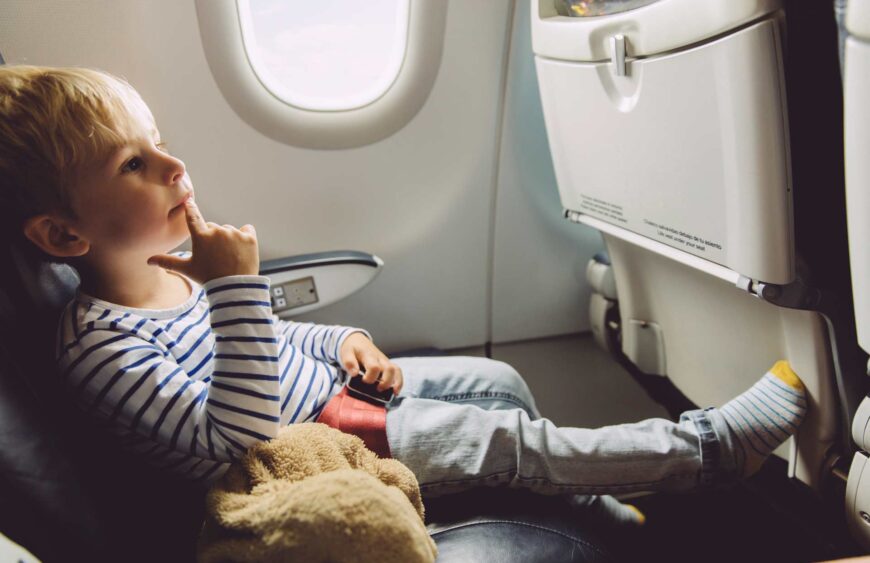
If you’ve got a high-energy toddler who happens to be on the autism spectrum, the thought of flying long-haul can feel… well, terrifying. Not just because it’s a lot of hours in the air, but because you know your little one isn’t built for sitting still and quietly flipping through a coloring book for ten straight hours.
When you tell people you’re flying half way around the world with your four-year-old who loves to climb, the reactions range from pity to “you’re brave.” And you are, but brave doesn’t mean reckless. It means you’ve got a plan. And that’s what this guide is: the plan I wish someone had handed me before my first long-haul with my busy kid.
We’re going to cover how to prep your child before the big day, how to set yourself up for fewer meltdowns (theirs and yours), and how to survive those long hours without feeling like you just aged five years in one trip.
Start Weeks Before: Prepping Your Child Mentally
One of the biggest mistakes parents make is thinking the trip starts on travel day. With an autistic child, the trip really starts a few weeks earlier and not with packing. With preparing.
Kids on the spectrum often feel safer when they know what’s coming next. A plane trip, especially a marathon one, is full of new sights, sounds, and rules. So your job now is to make as much of that feel familiar before you even leave the house. This can be as simple as talking about it in short, positive bursts: “We’re going to see Grandma! We’re taking a big airplane to get there.” No drama, no doom, just matter-of-fact excitement.
Visuals help too. Print a few pictures or make a basic “flight day” story: car to airport, check-in, security, boarding, sitting in seats, takeoff, food, landing. You don’t need a graphic design degree, even stick figure drawings work. The point is to help your child connect the dots before they happen. If you can, watch a few kid-friendly YouTube videos of airports and planes together. Point out the parts they’ll experience. The seatbelt sign, the food cart, the sound of the engines starting. The more their brain can say “oh, I know this,” the better they’ll handle it.
And here’s a sneaky trick: practice waiting and sitting now. Start with five minutes in the car or at the table and slowly build up. Praise and reward it. That “seat stamina” will pay off in the air.
Picking the Right Seats
I used to think seat selection was just about getting near the front so you could get off quicker. But with a high-energy autistic child, it’s strategy.
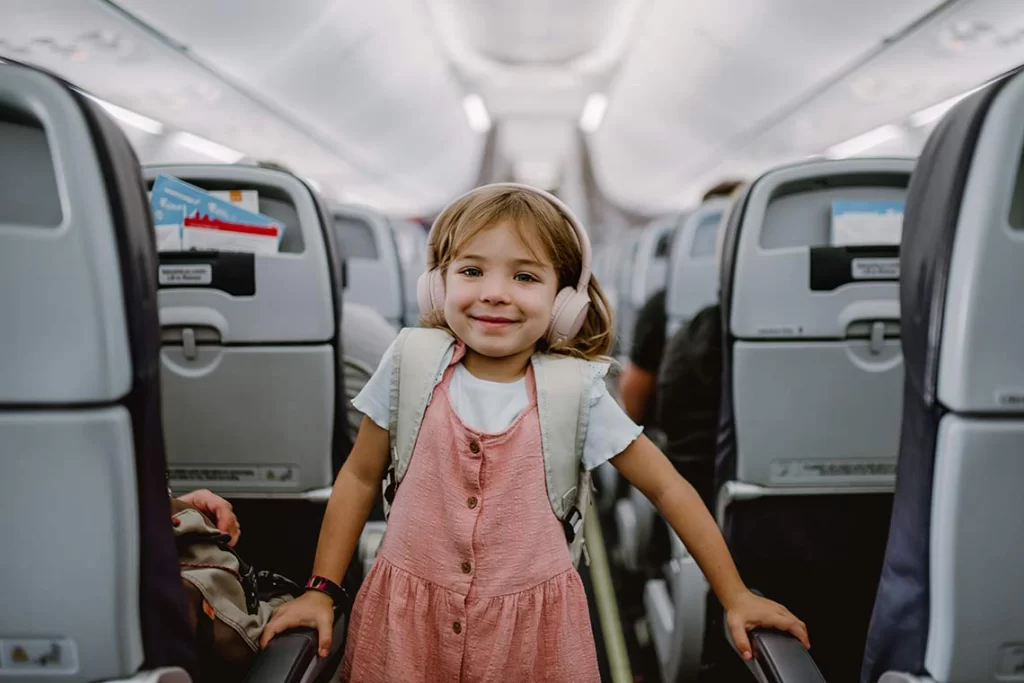
If your child’s going to want to walk the aisles, an aisle seat is your lifeline. It lets you get up without crawling over strangers, which is especially helpful if you’re making frequent “let’s stretch our legs” trips. Bulkhead seats (the ones at the front of a section) can give you extra legroom and sometimes a little floor space. That extra space is gold when you need to set up a small play area or just let them sit somewhere other than the seat for a few minutes.
On the flip side, if your child is easily distracted by movement, a window seat can be your best friend. It keeps them boxed in on one side and gives them something to look at. The tradeoff? You’ll have to climb over someone to get out. If there are two adults traveling, one in the middle and one on the aisle gives you flexibility.
The main point? Pick seats based on your child’s habits, not just what’s available. The right spot can make a long flight feel a lot less long.
Let the Airline Help You
Here’s something a lot of parents don’t realize: you’re allowed to ask for help.
Call the airline ahead of time and let them know you’re traveling with an autistic child. Some carriers have special assistance teams who can help you board early, get seats together, or even arrange for a smoother security experience. Pre-boarding is worth its weight in gold because you get to settle in before the cabin turns into a sardine can.
If your child has sensory sensitivities, mention it to the crew when you board. Sometimes they can dim the lights around your row during quieter periods or give you a heads-up before a noisy service cart comes by.
And print out the airline’s policy on any special gear you’re bringing. Like noise-cancelling headphones, a harness, or sensory tools so you’re not arguing with a crew member mid-boarding.
Packing Your “In-Flight Survival Kit”
This is where a lot of parents go wrong. Either packing too little and running out of tricks by hour three, or packing so much they can’t find the one thing they need without emptying the whole bag in the aisle.
Your carry-on should be easy to grab from under the seat and organized so you can get to the good stuff fast. Here’s what goes in mine:
- Snacks my kid already loves (for comfort) and a couple “surprise” snacks they’ve never had (for novelty).
- Small, varied toys that don’t roll away easily. Think pop tubes, fidget spinners, sticker books, and magnetic drawing boards.
- A tablet loaded with favorite shows and games that work offline, plus comfy headband headphones.
- A blanket or stuffed animal that smells like home. The sensory comfort is huge.
- Two changes of clothes for them, one for me (because spills happen in both directions).
The trick is to rotate items every 20–30 minutes. The more you keep things “new,” the longer they’ll hold attention.
Embracing Movement Instead of Fighting It
If your child is a climber or loves to be in motion, trying to make them sit still for 12 hours straight is a recipe for meltdown city. Instead, build movement breaks into your plan.
Aisle walks are the obvious one. Try to go during quieter times. Like after the meal service to avoid bumping into carts. Even short walks to the bathroom and back can help reset them.
If you’ve got a bulkhead seat, use that extra space to sit on the floor and play. Yes, you’ll get looks. Ignore them. Your kid’s comfort and calm are more important than someone else’s opinion.
For kids who like to “stand and bounce,” a seat belt extender (approved by the airline) can let them stand in front of their seat for a bit without being totally unrestrained.
And during layovers, skip the food court until you’ve found a quiet gate or kids’ play area. Let them climb, run, spin get the wiggles out before round two.
Handling Sensory Overload
Airplanes are basically sensory obstacle courses: bright lights, loud engines, strange smells, and people everywhere. For an autistic child, that can go from mildly annoying to completely overwhelming fast.
Noise-cancelling headphones or soft ear defenders can take the edge off engine roar and cabin chatter. Sunglasses or a baseball cap can help with harsh overhead lights or sun streaming through the windows.
Sometimes it’s the smells. Food service, or cleaning products that can set kids off. A scarf or blanket from home can double as a comfort item and a smell barrier. And if your child gets overwhelmed, create a “tent” by draping a blanket over the seat and letting them hide out for a bit. It’s not fancy, but it works.
Sleep: The Holy Grail of Long-Haul Parenting
If your child can sleep on planes, you’ve basically won half the battle. If not, you adjust.
Stick to their bedtime cues as much as possible. PJs, a story, cuddles. Don’t worry if it’s not their exact usual time; the familiar sequence can trigger “rest mode” even in a strange place.
If you’re debating between a daytime or overnight flight, think about your child’s sleep style. Overnight can be great for kids who can sleep anywhere. For those who can’t, it can mean hours of frustrated wakefulness, which is worse than a day flight full of activities.
Your Mindset Matters
The truth? This trip might be hard. There will probably be moments when you wonder why you agreed to it. But going in knowing it’s about getting there, not having a “perfect” flight, changes the game.
Say yes when people offer help. Take breaks when you can. And plan for the first day after you land to be slow and recovery-focused. Because when you get to the other side and see your child with family they haven’t hugged in years, all the aisle walks, snack rotations, and mid-flight negotiations will feel worth it.