Booking Family-Friendly Accommodation: What Parents Really Need to Know
Jump to Section:
Why Accommodation Choices Matter More With Kids
Hotels: Comfort, Convenience, and the Hidden Trade-Offs
Vacation Rentals: Space, Kitchens, and Surprises
Resorts: All-Inclusive Ease or Overpriced Chaos?
Location, Location… Nap Time?
Safety and Practical Features to Check
Budgeting Without Regretting It Later
Final Thoughts
FAQs
Finding a place to stay when you’re traveling with kids is no longer about boutique charm or the cheapest deal you can find.
It’s about survival. Parents quickly realize that the wrong choice like a “stylish” loft with steep stairs, a resort without shade, a hotel that charges extra for cribs, can turn a holiday into hard labor.
Many parents say that once they started traveling with babies or toddlers, accommodation became the single biggest factor in whether a trip was enjoyable or exhausting. It’s where your child will nap, where you’ll try to cobble together meals, and where you’ll retreat after long sightseeing days. The right choice gives everyone breathing space and sanity; the wrong one has you whisper-fighting with your partner while the baby cries in the corner of a too-small room.
This guide walks through the main options. Hotels, rentals, resorts and the details that matter most when children are part of the equation.
Why Accommodation Choices Matter More With Kids
Before kids, accommodation was just a place to crash. With children, it becomes the hub of your trip. A bad choice follows you home every evening. Families quickly learn that things they never cared about before like blackout curtains, soundproofing, safe outdoor areas all now make or break a holiday.
The biggest shift is that accommodation isn’t just about sleeping. It becomes part of your daily rhythm. Where will you prepare snacks? Can your toddler roam without breaking something expensive? Is there room for a travel cot without blocking the bathroom door? Parents in forums often admit they’ve had perfectly fine sightseeing days ruined by returning to a hotel room too cramped for a crawling baby or an apartment next to a nightclub.
Hotels: Comfort, Convenience, and the Hidden Trade-Offs
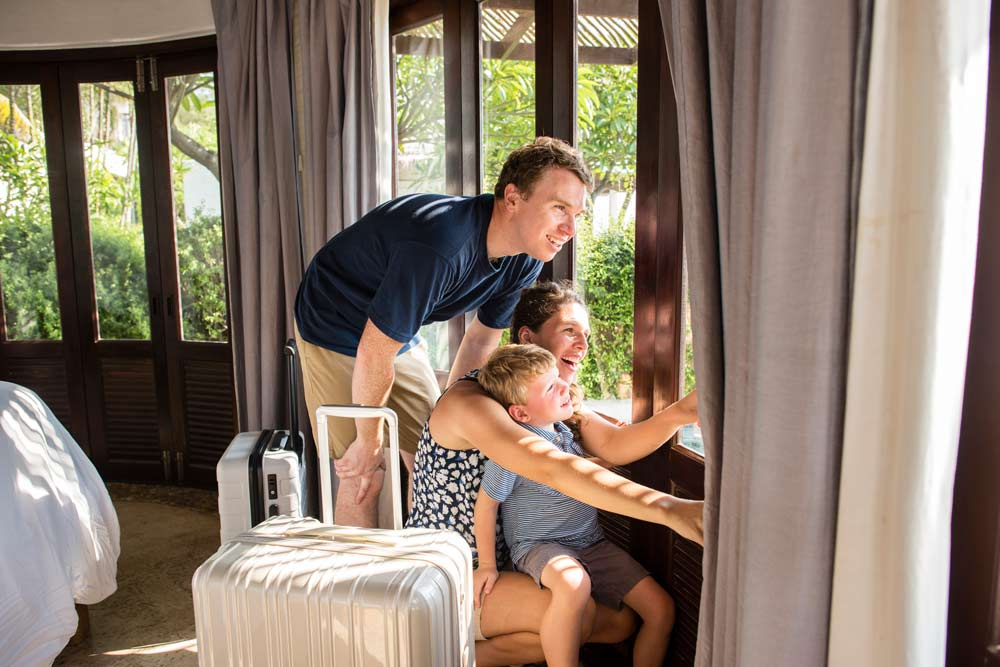
Hotels can be a lifesaver for parents who want predictability. There’s usually 24-hour reception, daily cleaning, and someone to call if you need extra towels at midnight. Many hotels also provide cribs, high chairs, and sometimes even kid-friendly perks like children’s menus or small play corners in the lobby.
But the trade-off is space. Standard hotel rooms are rarely designed for families who spend hours inside them. Parents often find themselves tiptoeing around a darkened room while the baby sleeps, eating cold takeout in the bathroom to avoid waking anyone. Families with multiple kids may be forced into booking adjoining rooms, which doubles the cost.
Noise is another common issue. A hallway full of late-night partygoers or thin walls next to an elevator can undo bedtime in seconds. That’s why many parents recommend checking reviews specifically from other families, not just business travelers, before booking.
Hotels shine for short stays, city breaks, or trips where you don’t expect to spend much time indoors. They’re less ideal for longer stays where space and independence matter more.
Vacation Rentals: Space, Kitchens, and Surprises
Vacation rentals (Airbnb, Vrbo, local agencies) are often the go-to choice for parents who want space and flexibility. A rental with a separate bedroom lets adults stay up after the kids are asleep. A kitchen saves money on meals and makes early breakfasts or picky eaters easier to manage. Laundry access is another bonus that hotels rarely provide.
But rentals come with their own headaches. Standards vary wildly. Photos may hide steep staircases, breakable décor, or beds squeezed into alcoves with no doors. Some parents report arriving to find “cribs” that are really travel cots from the 1990s or kitchens stocked with only one dull knife. Unlike hotels, there’s often no one on hand to fix problems quickly.
Another factor is safety. Rentals might not have childproofing, window guards, or safe balconies. Parents of toddlers often end up moving furniture around just to make a space livable. Reviews are your best friend here: look specifically for feedback from other families, and if it’s missing, think twice.
Rentals shine when you need breathing space, plan to cook, or are staying for more than a few nights. They’re less ideal if you want services, guaranteed standards, or on-call help.
Resorts: All-Inclusive Ease or Overpriced Chaos?
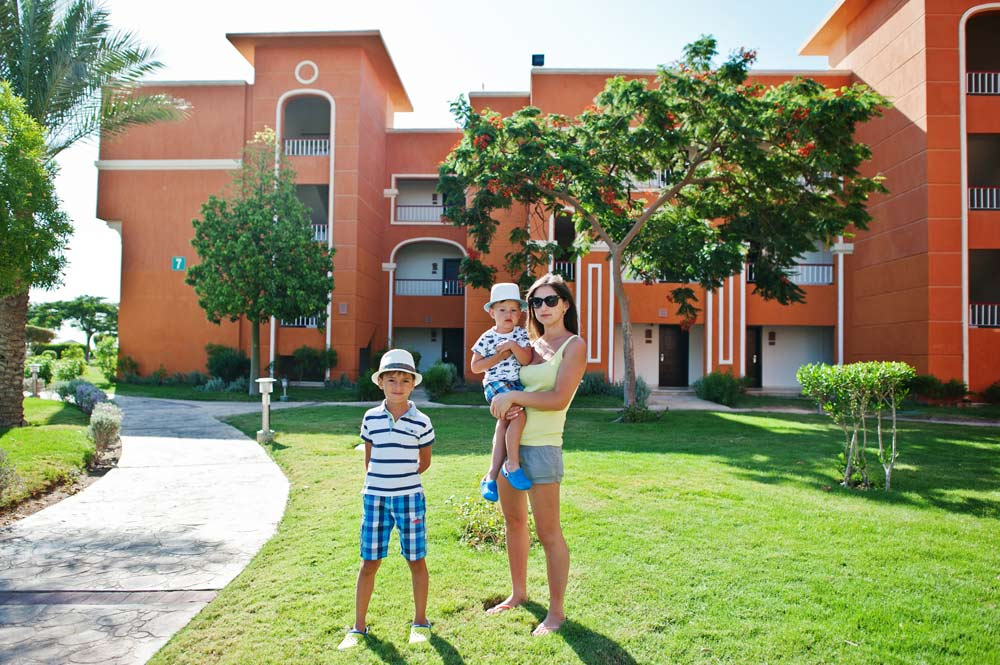
Resorts are tempting because they promise everything in one place: pools, meals, kids’ clubs, entertainment. For some families, especially with older children, they deliver exactly that. Parents get a chance to rest while kids play safely under supervision. Having food and activities on-site removes the stress of planning daily logistics.
But not all resorts are created equal. Some are genuinely family-oriented, with shaded splash pads, lifeguards, and well-run kids’ programs. Others are essentially adult resorts that tolerate children. Think swim-up bars blasting music next to the pool where your toddler is trying to nap.
Cost is another factor. All-inclusive pricing can be worth it if your kids eat and drink frequently, but many parents find themselves paying for buffets their children barely touch. Resorts can also feel confining. If your style of travel is exploring cities or hiking, you may resent being stuck in a self-contained bubble.
Resorts work best when your main goal is relaxation and keeping everyone entertained without constant planning. They’re less appealing for families who prefer cultural immersion or more independent travel.
Location, Location… Nap Time?
Where you stay matters just as much as what you book. With kids, being “close enough” isn’t always close enough. A charming rental an hour outside the city might save money, but it can also mean losing precious nap windows in traffic. A hotel in the lively heart of downtown may be exciting for adults but disastrous if bedtime coincides with street noise.
Parents often debate whether to prioritize central locations or quieter outskirts. The sweet spot depends on your children’s ages. With babies and toddlers, proximity usually wins. Short transfers back for naps, quick access to supplies, and minimal disruption. With older kids, space and amenities might outweigh the hassle of longer commutes.
Public transport and walkability also matter. Lugging strollers on multiple bus transfers quickly sours even the best-laid plans. Families who choose spots near playgrounds, grocery stores, and pharmacies often report much smoother trips.
Safety and Practical Features to Check
Children have a way of noticing every hazard adults overlook. That stylish glass coffee table? It’s now a climbing frame. That open balcony railing? A magnet for toddlers. When choosing accommodation, safety checks are just as important as price or location.
Look out for:
– Secure windows and balcony doors
– Cribs or cots that meet safety standards
– Staircases with railings (or better yet, stair gates)
– Pool safety measures like fences or lifeguards
Practical features also matter more than you think. Blackout curtains, a fridge for milk, even something as simple as a kettle can make life smoother. Many parents admit they now read property descriptions differently by scanning for “washer,” “crib,” or “play area” instead of “designer interiors.”
Budgeting Without Regretting It Later
It’s tempting to go cheap on accommodation to save money for activities. But parents quickly discover that the place you stay is part of the trip, not just a bed. A budget room with no kitchen may mean overspending on restaurants. A poorly located apartment might cost you hours of commuting.
That doesn’t mean luxury is the only answer. Families often find mid-range accommodation the sweet spot: reliable comfort without draining the budget. Flexibility helps too. Staying in a rental for a week to save money, then splurging on a hotel for a couple of nights to ease logistics.
One overlooked tactic is checking whether accommodations offer family packages or child discounts. Some hotels let kids under a certain age stay or eat free, while others quietly tack on “extra guest” fees. Always read the fine print before booking.
Final Thoughts
Accommodation is where family travel either holds together or unravels. Choosing wisely doesn’t guarantee a perfect trip. There will still be meltdowns and sleepless nights, but it can give you the conditions to cope. Think of it less as a place to stay and more as a partner in your holiday.
The right accommodation offers safety, comfort, and a little breathing room. It allows parents to relax, kids to rest, and everyone to reset for the next adventure. The wrong choice becomes a constant reminder that you underestimated how much this part really matters.
Too Long? Here are the most common questions we’re asked.
A: Vacation rentals often offer more space and kitchens, but hotels provide convenience and services. The best choice depends on whether independence or support matters more to you.
A: Look for safety features (cribs, secure windows, pool fencing), practical amenities (fridge, blackout curtains), and reviews from other families.
A: They can, especially if your kids take advantage of included meals and activities. But parents who don’t use kids’ clubs or buffets often find the cost high compared to alternatives.
A: Very. Staying close to attractions, transport, and grocery stores makes daily logistics smoother and reduces stress around naps and meals.
A: With kids, accommodation often matters more. A comfortable base can rescue a tough day, while poor accommodation can ruin even the best activities.