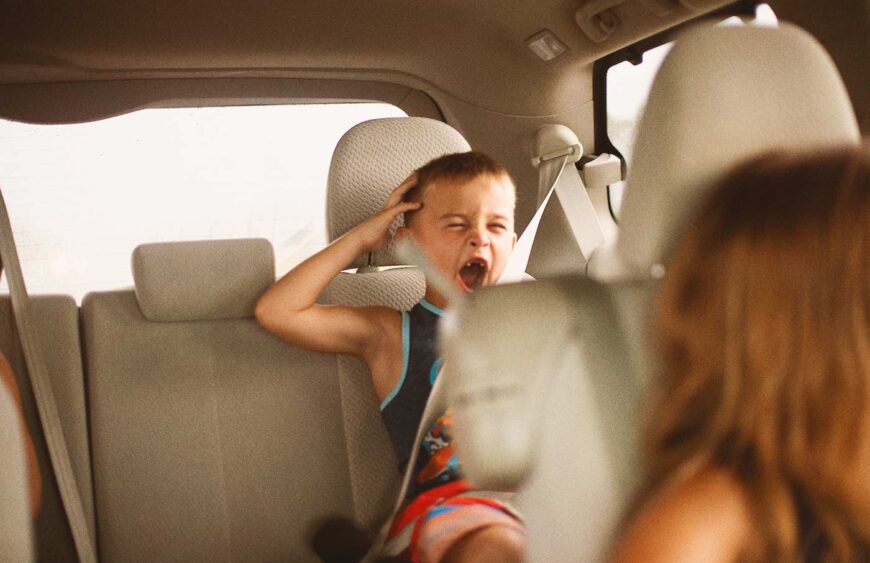
When the dream of the open road collides with family reality
There’s something timeless about the idea of a road trip. Just load the car, crank the music, and set off for adventure. For parents, though, the dream often collides with the reality of sticky backseats, endless “are we there yet?” chants, and that moment when you realize the tablet is dead and your child still has four hours of energy left.
Many families walk away from their first big drive vowing “never again”. Not because road trips can’t be wonderful, but because they fell into the same traps that countless parents before them have faced. The truth is, most road trip disasters aren’t bad luck. They’re predictable mistakes that can be prevented with a little foresight.
This guide unpacks those mistakes, from overpacking your itinerary to underestimating just how many snacks a five-year-old can inhale in one afternoon. Learn them now, and your next trip may just be the one that feels closer to the Instagram version in your head.
What you’ll find in this guide:
Packing your itinerary tighter than the trunk
The car seat comfort and safety blind spot
Treating snacks like an afterthought
Betting everything on screens
Forgetting that bathroom breaks
Waiting until someone pukes
Overlooking safety
Assuming naps will save you
Forgetting to let kids have a say
Seeing the car as a cage
Potholes are part of the ride
FAQ
Packing your itinerary tighter than the trunk
The number one rookie mistake is trying to cram too much into the intinereary. Adults might be able to power through six or seven hours behind the wheel, but kids operate on a completely different rhythm. After two hours, most are restless; by three, you’re dealing with meltdowns or motion sickness. Yet many families still plan to barrel across entire states in a single day, convinced that “making good time” will get them to the fun faster.
In the real world, kids need space to breathe. They need unscheduled wiggle breaks, playground stops, and the occasional ice cream stop. Without those, even the most patient child will unravel. Parents who learn to leave white space in the itinerary, maybe even planning only one “big thing” a day, often find the trip feels more relaxed for everyone. Instead of challenging the odometer, you’re free to enjoy those quirky roadside moments that become the real highlights. (If you want ideas for building realistic family itineraries, our piece on Cross-Country with Kids: Lessons from Parents shows how other families learned to slow down and keep sanity intact.)
The car seat comfort and safety blind spot
It doesn’t matter how many games or snacks you’ve prepped: if the car seat isn’t working for your child, your road trip is going to feel way longer than it is. Around-town rides are short enough that poor fit or slouching posture isn’t obvious. But after four hours, that “it’ll be fine” seat suddenly becomes a torture device.
Worse, many families unknowingly use car seats that aren’t installed correctly, or that don’t meet safety standards in other countries. A common story on parenting forums: a family rents a car abroad, only to discover the provided seat doesn’t fit securely. Cue stress at the rental counter with an overtired toddler.
Before setting off, do a full car seat check. Make sure the straps are snug without digging, the angle supports your child’s head properly, and that you know how to reinstall it if you’re switching cars. Pack extra padding or a neck pillow if needed. A child who feels safe and comfortable is far more likely to sit happily, which means fewer stops and less stress. (More on this in our dedicated guide to Car Seat Safety).
Treating snacks like an afterthought instead of survival gear
There’s a reason parents swap snack hacks like currency. Hunger turns kids from chatty travel buddies into little dictators in record time. One of the biggest mistakes is underestimating both the quantity and variety of snacks you’ll need. Two bananas and a pack of cookies won’t cut it for a six-hour drive.
Think balance: some quick sugar for emergencies, but also slow-release foods like cheese, nuts (if age-appropriate), or wholegrain crackers. Pack fruit that won’t explode or stain all over the backseat (think apples over strawberries). And think logistics. A cooler bag with ice packs will stretch your options far beyond chips and candy.
Parents often forget themselves too. Running on fumes while refereeing backseat squabbles is a recipe for losing your shit. A well-stocked snack kit is as much for you as it is for the kids. (If you need practical, parent-tested ideas, see our guide on Road Trip Snacks for Children).
Betting everything on screens
Ms. Rachel can’t do everything and it’s tempting to hand over a tablet and breathe a sigh of relief, but families who rely solely on screens often hit the wall fast. Devices overheat, batteries die, Wi-Fi drops out, and kids get queasy staring at a glowing rectangle. Suddenly, you’re up shit creek without a ipad.
The better approach is variety. Yes, screens have their place, but so do audiobooks, car karaoke, license plate bingo, and silly storytelling. Even something as simple as a stack of colouring pages can buy you an hour of peace. Screens work best when they’re one tool among many.
One parent on Reddit shared how their carefully downloaded Netflix episodes failed on day one because the app needed to check in online. A classic example of why backups matter. Don’t wait until meltdown mode to realize you have no Plan B. We’ve also put together a whole list of no-prep activities in 20 Simple Games to Play with Kids on Planes, which double perfectly as car ride lifesavers.
Forgetting that bathroom breaks aren’t optional
In the rush to “make good time,” parents often push through rest stops, figuring kids can hold out. The result? Accidents, tantrums, or a child flat-out refusing to get back in the car. What adults forget is that kids don’t just need bathrooms they need movement. Sitting strapped in for hours is physically uncomfortable.
The smarter play is to build breaks into your plan from the start. Instead of resenting the lost time, turn them into mini-adventures: a playground visit, a walk to stretch legs, even a five-minute roadside picnic. These pauses can shift the mood dramatically and reset everyone’s patience for the next stretch. Or do as my parents did. On our annual pilgrimages from Toronto to Miami, I would be given a North American street map. I was told to plan the route, and think of one stop on every page. This got me involved, excited and I planned any sightseeing stops where we would all get our movement in, and my parents got to top up the tank.
Waiting until someone pukes to think about carsickness
Carsickness has ruined more family road trips than flat tires. The mistake parents make is assuming it won’t happen until it does, usually halfway down a winding country road. Then it’s panic, mess, and misery and stench. My god the stench.
Preventive steps are key. Light snacks, plenty of airflow, and keeping eyes on the horizon all help. Some families swear by ginger candies or wristbands. Always travel with wipes, spare clothes, and sealable bags, even if your child has never been sick before. Carsickness has a way of showing up uninvited, especially on long drives. We’ve covered this in depth in our guide to Travel Sickness in Children, including prevention strategies and what to pack just in case. Our daughter was a perfect flyer until the age of 6 when she decided puking 4 times per flight was a new way to introduce spontaneity into our trips. Plan for it. It will happen.
Overlooking safety beyond the seatbelt
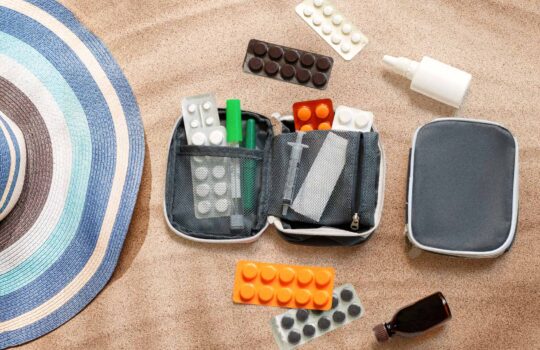
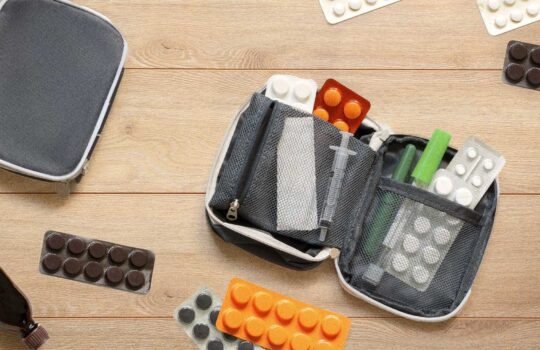
Parents are usually vigilant about buckling kids up, but forget the rest of the safety picture. Loose toys and bottles rolling around the cabin can become dangerous projectiles. Sun blazing through the side window can burn skin in under an hour. And too many families hit the road without a proper emergency kit.
Every car should carry basics: a first aid kit, water, flashlight, reflective vest, and jumper cables. Keep heavy bags in the trunk, not the backseat. Window shades can make a huge difference for comfort, especially for toddlers. These little steps turn a vulnerable trip into one where you’re ready for the unexpected.
Assuming naps will save you
It sounds like the perfect plan: drive during nap time, the kids sleep for hours, and you cover half the distance in blissful silence. But car sleep isn’t home sleep. Some kids fight it, others drift in and out and wake up crankier than before. One mom in a parenting forum joked that her son would only nap in the car if the vehicle was moving at exactly highway speed. Any stoplight, and his eyes popped open.
Instead of hinging your whole day on the hope of backseat naps, build in flexibility. If naps happen, great. If they don’t, be ready with quiet entertainment like audiobooks, soft music, or a comfort item from home. And for really long trips, consider splitting the drive with an overnight stop. Many families find that a planned hotel stay turns the journey into two manageable adventures instead of one punishing slog. See our guide to Overnight Road Trips with Kids for tips on choosing where and when to stop.
Forgetting to let kids have a say
A surprisingly common mistake is treating kids like cargo. Buckled in, hauled along, no input. The result? Resistance, boredom, and mutiny from the backseat. Parents often underestimate how much smoother the trip can run if children feel a sense of ownership.
The trick is age-appropriate involvement. Let younger kids pick between two snack options or vote on which playground to stop at. Give older kids the map (or a kid-friendly app) and let them track progress. Even music choices can become a family ritual: maybe everyone gets to pick a “song of the hour.” When kids feel included, they complain less and cooperate more.
This isn’t so much about keeping the peace, it’s about turning the road trip into a shared experience. Families who involve their kids early on often report fewer battles later, and more stories worth remembering. (For inspiration, check out Cross-Country with Kids: Lessons from Parents, which highlights how involving children changed the dynamic of real trips).
Seeing the car as a cage instead of part of the trip
One of the most overlooked mistakes is treating the car like dead space and something to endure until you reach the “real” holiday. Kids pick up on that attitude quickly, and the hours drag. But families who make the drive itself part of the adventure often find the time flies by.
That can mean choosing scenic byways instead of highways, playing storytelling games where each person adds a line, or making a ritual out of roadside finds. Some parents map out quirky stops like the world’s biggest rocking chair, a farm stand with the best cherries just to break the monotony. The more the car feels like a moving clubhouse rather than a holding cell, the more memories you’ll create.
Entertainment matters here too. Yes, screens buy peace, but they can’t replace shared family experiences. Think about mixing in travel games that don’t need props, like “I Spy” or spotting license plates. (We’ve collected plenty of these in 20 Simple Games to Play with Kids on Planes, which translate just as well to long drives).
Potholes are part of the ride
Every parent has a road trip tale that went sideways. A blowout diaper in the car seat, a missed rest stop that ended in tears, or a motion sickness incident that no amount of wet wipes could really fix. And that’s okay. Mistakes happen, and kids are unpredictable.
The difference between a trip that feels like a nightmare and one that becomes a family legend often comes down to preparation and mindset. If you can dodge the most common mistakes like overstuffing the schedule, skimping on snacks, banking too hard on naps, or forgetting that kids want a say, you’ve already stacked the deck in your favour.
And when things do go wrong, as they inevitably will, remember that the bumps often become the stories your family retells years later. Road trips aren’t just about reaching the destination. They’re about turning the miles in between into memories.
Too Long? Here are the most common questions we’re asked.
Most children under 10 do best with breaks every 2–3 hours. Toddlers often need even more frequent pauses.
Encourage kids to look out the window, keep air flowing, and avoid heavy meals. Ginger candies, wristbands, or pediatrician-approved meds may help.
It’s worth trying, but don’t depend on it. Many kids won’t nap reliably in cars, so always have backup plans.
Essentials include a first aid kit, flashlight, reflective vest, jumper cables, wipes, water, and secure storage for heavy items.
Mix it up: audiobooks, games, songs, coloring, and planned activity stops. Screens work best when they’re just one of several options.