Excitement with a side of “what if?”
Cruises promise family-friendly adventure, but parents can’t help thinking of the risks. Toddlers near railings, children in busy pools, the idea of getting sick in the middle of the ocean — all those “what ifs” creep in once the initial excitement fades.
The good news is that modern cruise ships are designed with safety in mind, and most families sail without a single serious issue. But “safe” doesn’t mean “childproof.” Knowing where the real risks are, and how to manage them calmly, is what turns worry into confidence.
What you’ll find in this guide:
Why safety looks different at sea
Railings, decks, and toddler supervision
Pools, splash zones, and water safety
Muster drills and emergency procedures with kids
Medical care onboard: what to expect
Hygiene and illness prevention
Security and lost-child protocols
Packing safety gear that helps (and the tech worth considering)
Final thoughts: safety without stress
FAQ
Why safety looks different at sea
Cruise ships are safe, but they aren’t childproof the way parents might expect from land-based resorts. They’re designed for thousands of people to move through comfortably, not to protect a two-year-old from every bump or fall. That means stairs without gates, balcony doors that open if you push hard enough, and pools without lifeguards.
At sea, you can’t just pop into a pharmacy or call an ambulance in ten minutes. The ship has strong safety systems in place, but the environment itself is unique. Movement from the waves means floors can be slippery. Hallways are long and crowded at peak times. Even the sheer novelty of the ship can distract kids into wandering farther than you’d expect.
This doesn’t mean families should worry constantly. Far from it. It just means adjusting expectations. Parents who treat the ship like a mix between a playground and a shopping mall tend to relax more. You don’t panic about every hazard, but you stay alert in ways you might not at home. The balance is what makes cruising enjoyable and safe.
Railings, decks, and toddler supervision
Balconies and open decks are often top of mind for parents. Cruise ship railings are built high, usually around chest height for an adult and strong, designed to meet international safety codes. Still, toddlers are natural climbers, and a chair pulled too close to the railing can quickly create a risky scenario. That’s why so many parents push furniture back from the railings the moment they enter their cabin.
Some families avoid balcony cabins altogether until children are older, choosing ocean-view windows or inside rooms for peace of mind. Others keep balconies but create strict rules: no unsupervised time outside, doors locked when not in use, and always an adult present. For many, the balcony becomes an adult retreat once the kids are asleep, not a daytime play space.
On open decks, the challenge isn’t so much railings as it is crowds and distractions. Sea days can mean thousands of people moving around at once, with toddlers weaving through legs or darting toward staircases. Strollers or carriers are often the safest way to move little ones across busy decks. For preschoolers, clear rules about where they can and can’t run are essential. The ship isn’t unsafe, but it demands constant awareness in ways a fenced-in playground never does.
Pools, splash zones, and water safety
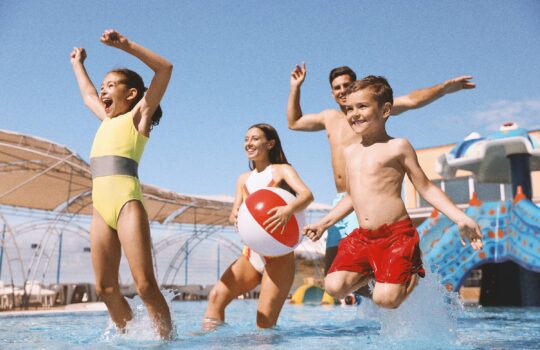
Cruise brochures love to show sparkling pools and happy kids, but parents often find this is where vigilance is most draining. Unlike many land resorts, most ships don’t staff lifeguards. That means if your child is in the water, you’re the lifeguard.
For families with babies and toddlers, swim nappies are another surprise. Health regulations mean most cruise lines don’t allow them in the main pools. The workaround is splash zones. Shallow, fountain-style play areas designed for the under-threes. Disney, Royal Caribbean, MSC, and some Norwegian ships have them, but not all ships do. Knowing whether your vessel has one can save a lot of tears when your toddler spots the pool.
Bright rash guards help you spot your child in busy water play areas, and family swimming sessions work best when you treat them like short bursts rather than all-day affairs. As we covered in our guide to cruising with babies and toddlers, splash pads are often the highlight for this age group. Even more than the headline water slides.
Muster drills and emergency procedures with kids
Every cruise begins with a muster drill, a safety briefing where passengers gather at designated points. With kids, this can sound intimidating, but in reality it’s usually brief and well managed. Babies can be carried, strollers are allowed, and crew are patient with noisy toddlers.
The point of the drill is to make sure you know where to go in an emergency and how to use a lifejacket. Many ships now run simplified drills with video briefings and quick check-ins, making the process less stressful than it used to be. Talking to your children beforehand helps. Frame it as a practice game, so they’re not frightened by the alarms.
These drills are part of the ship’s wider safety culture, just like seasickness prep or illness prevention. They’re not there to scare you, but to reassure you that everyone knows the plan.
Medical care onboard: what to expect
Every major cruise ship has a medical centre, and while it’s not the same as a city hospital, it’s surprisingly well equipped. Staffed by licensed doctors and nurses (often with emergency and paediatric experience), they can handle everything from seasickness and ear infections to cuts, sprains, and dehydration. They also have medications on hand that parents might struggle to find abroad, which can be a comfort.
If something more serious happens, the medical team’s job is to stabilise until the ship reaches port. That’s when travel insurance makes all the difference. Medical care onboard is not covered in your fare, and fees can add up quickly. Some families get bills in the hundreds for simple visits, and thousands for complex treatment. With insurance that covers medical and evacuation, you’re protected from those costs.
It’s also worth knowing how care works day-to-day. Appointments can often be scheduled, but emergencies are handled immediately. Parents say the staff are used to children and usually very reassuring. In practice, most families never need more than seasickness tablets or antibiotics, but having a doctor just a few decks away is one of the biggest safety nets of cruising.
Hygiene and illness prevention
If there’s one area where parents need to be extra proactive, it’s hygiene. Cruise ships move thousands of people through shared spaces, buffets, kids’ clubs, and pools every week. Even with strict cleaning protocols, germs spread fast in that environment. Norovirus outbreaks make headlines, but in reality the more common issues are colds, coughs, and stomach bugs that pass easily from child to child.
The ship’s crew are relentless about cleaning. You’ll see them wiping rails, spraying tables, and restocking sanitiser stations constantly. But kids touch everything. They lick their fingers after ice cream, hold handrails on stairs, and share toys in the club. That’s why parents play a big role in keeping their own families healthy.
Handwashing is the single most effective tool. Making it a ritual before meals, after clubs, and after using lifts cuts down risks dramatically. Many families bring their own wipes to clean high chairs, tray tables, and even their own cabin remote controls. For babies and toddlers, having a personal stash of snacks helps avoid too many buffet exposures.
Illness prevention is also about pacing. Exhausted kids catch colds more easily. Overstuffed schedules and late nights weaken immune systems, and suddenly a sniffle turns into two days in bed. This connects back to what we’ve written about rest days. Downtime keeps kids healthier as well as happier.
If sickness does strike, ships take it seriously. Crew will encourage you to keep your child in the cabin until symptoms ease, both for their comfort and to protect others. It can feel restrictive, but it’s part of why outbreaks rarely spread as widely as headlines suggest. In practice, a few commonsense steps such as handwashing, wipes, rest, and plenty of fluids, are enough to keep most families healthy throughout the voyage.
Security and lost-child protocols
Ships may feel like mazes, but they’re closed environments. A child cannot simply walk off unnoticed. Still, children do get lost, and it’s scary in the moment. That’s why cruise lines have protocols in place. Younger kids often receive wristbands or ID cards that include their muster station. Kids’ clubs have strict sign-in and sign-out policies. No one can collect your child without authorisation. If a child is reported missing, crew mobilise quickly, sealing stairwells and checking decks until they’re found. Most wanderers are located within minutes, usually in the arcade, by the pool, or at the soft-serve machine.
Parents can make things easier by teaching children a few basics: their cabin number, the name of the ship, and how to find a crew member if they’re lost. These little details make the difference between panic and a quick reunion.
Packing safety gear that helps (and the tech worth considering)
Smart packing can ease many safety worries. Night lights keep cabins safer for middle-of-the-night bathroom trips. White noise machines soften hallway noise, helping babies sleep more soundly. Child harnesses can help in crowded ports or busy embarkation halls.
And then there’s tech. Many parents now pack Apple AirTags, Tiles, or similar trackers. Pop one into a child’s pocket or backpack, and you can check their location if they wander. They’re not perfect. Bluetooth-based, not GPS, but on a ship full of smartphones they often work surprisingly well.
Some cruise lines also provide wearable tech, like wristbands or medallions that double as room keys and onboard wallets. On certain ships, these can also track a child’s last known location. They’re not a replacement for supervision, but they can ease parental stress in crowded environments. As we covered in our packing guide, these small devices take up almost no space, but the peace of mind they bring can feel enormous.
Final thoughts: safety without stress
Cruise ships are remarkably safe, but they’re not padded playrooms. Children need active supervision around railings, pools, and busy decks. Parents need to be prepared for the occasional fever or scraped knee. And everyone benefits from small rituals that keep germs at bay and routines intact.
But safety doesn’t have to overshadow joy. Once you understand the real risks and how to manage them, the “what ifs” fade into the background. What’s left is the reason you booked the trip in the first place: time together, adventures that feel manageable, and memories that aren’t dominated by stress.
Too Long? Here are the most common questions we’re asked.
Balcony railings are built high and to strict safety standards, so they’re not inherently dangerous. The risk comes from toddlers being resourceful climbers. A chair pushed too close to the railing can give a child just enough leverage to climb higher than they should. The safest approach is to move all furniture away from the railings as soon as you enter your cabin, keep balcony doors locked when not in use, and never leave a toddler unsupervised outside. Some parents prefer to book inside or ocean-view cabins until their children are older, simply for peace of mind. Others keep the balcony but treat it as an adult-only retreat while kids are sleeping. Both approaches work, it’s about what lets you relax.
On most cruise lines, the answer is no. Disney was one of the first to introduce lifeguards at family pools, and Royal Caribbean has added them on newer ships, but many lines still leave supervision entirely to parents. That doesn’t mean pools are unsafe, but it does mean you have to be hands-on the entire time your child is swimming. For babies and toddlers, splash zones designed for swim nappies are safer options and a lot less stressful. For older kids, bright swim shirts help you keep eyes on them in a crowded pool. Ultimately, treat pool time the way you would a public pool at home without lifeguards, you’re responsible for their safety.
If your child comes down with something minor like seasickness, a fever, an earache, you can head straight to the ship’s medical centre. It’s staffed with doctors and nurses who are used to seeing children and can provide medications, hydration, and reassurance. For more serious issues, they stabilise the child until you reach the nearest port for a hospital transfer. Care isn’t free, and bills can be steep, so having travel insurance is essential. Parents who’ve needed care say the staff are calm and professional, which makes the experience less frightening for kids. In practice, most families only need seasickness remedies or antibiotics, but knowing help is a few decks away is a huge comfort.
No. Cruise ships are closed environments with security at every gangway. Children can’t simply walk off into port. That said, ships can feel like mazes, and kids do sometimes get lost onboard. When this happens, crew follow strict protocols: sealing stairwells, making quiet announcements to staff, and checking common areas until the child is found. Most wanderers are located within minutes, often in the arcade, by the pool, or grabbing ice cream. Parents can prepare by teaching children their cabin number, the ship’s name, and how to ask a crew member for help. It turns a scary moment into a quick reunion instead of a panic.
Muster drills are mandatory for everyone, including babies and toddlers, but they’re usually far less intimidating than parents fear. You’ll be directed to your muster station, which is just the spot you’d gather in an emergency. The drill often involves a short safety video and a check-in with staff, rather than standing around for an hour. You can carry your baby or bring a stroller, and crew are patient with fussing children. The main thing is to show your kids it’s nothing to be scared of. Framing it as a practice game helps. Once you’ve done it, you can reassure yourself that if something ever did happen, you’d know exactly where to go.