One Tiny Room, One Big Week
The first time you open the door to your cruise cabin with kids in tow, the reality hits fast. Four people, one room, and a week at sea. The bathroom looks like it belongs in a dollhouse, the “storage” is basically a few drawers, and that sofa somehow doubles as a bed. Many parents describe that first moment as equal parts excitement and claustrophobia. But here’s the thing, families make it work every day, with a smile. And with a few smart strategies you can turn that small space into a surprisingly comfortable base. The trick isn’t in making the cabin bigger, but in learning how to live well in close quarters. This guide takes you through exactly that: choosing the right cabin, organising your gear, setting up sleep spaces, managing the bathroom queue, and carving out little sanity savers that make the week feel less like a shoebox and more like an adventure.
What you’ll find in this guide:
When the floating hotel feels like a shoebox
Choosing the right cabin for families
Smart storage and organisation hacks
Sleep setups that actually work
Bathroom logistics with kids
Creating routines in one shared room
Cabin sanity savers parents swear by
Small spaces, big memories
FAQ
When the ‘Floating Hotel’ feels more like a Shoebox
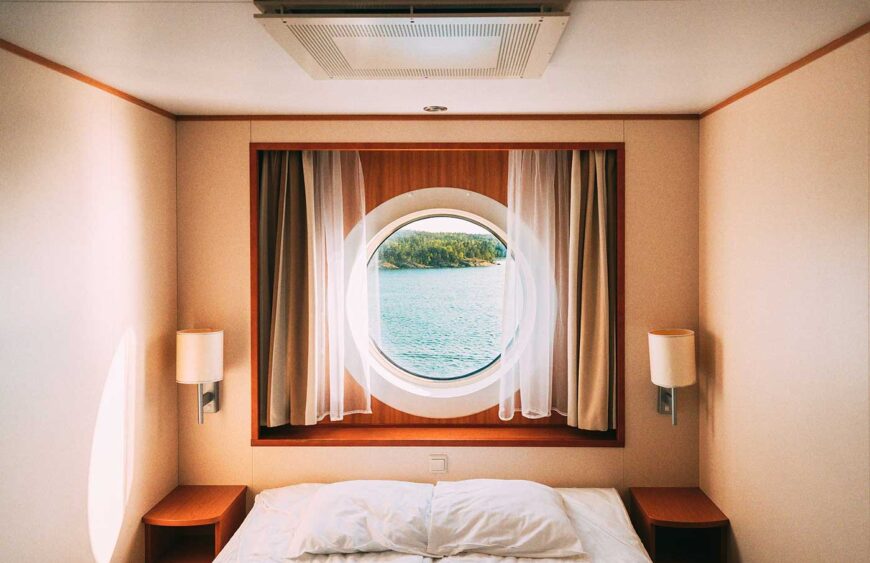
Cruise cabins average around 15–20 square metres. On paper, that’s not wildly different from a budget hotel. But cabins are designed with ship safety and layout in mind, so you’re working with narrower hallways, built-in furniture, and ceilings that can feel lower. Unlike in a hotel, there’s rarely a hallway or extra nook where kids can sprawl with toys. Add luggage, strollers, or a travel crib, and suddenly every inch matters.
Many parents note that sharing a hotel room feels manageable, but the constant motion of a ship, the lack of separate living areas, and the fact that you’re all in there together more often makes the cabin feel tighter. Understanding that expectation upfront helps. Trust us. You’re not imagining it. Cruise cabins really are more compact, and they require a different approach to family life.
Choosing the right cabin for families
The type of cabin you book shapes your entire cruise experience. Inside cabins are the cheapest, but without windows, they can feel like a cave once everyone is inside. Some families like this for naps, while others find it suffocating. Balconies, on the other hand, give you an instant escape. They’re a great place to sip coffee while kids nap, or a mini “patio” when everyone’s getting restless.
Suites or connecting rooms are the holy grail, but they come at a cost. Still, many parents argue the upgrade is worth it if your budget allows. Having two bathrooms and some breathing space can save a lot of arguments. Location matters too: being near kids’ clubs or pools saves tired legs, but being right above a theatre or nightclub means you may be serenaded to sleep against your will.
For families with babies or toddlers, check how close your cabin is to elevators. This is useful for strollers, but avoid cabins right next to the lifts, as foot traffic and ding sounds can be relentless, especially during afternoon nap times when everyone is coming back from the pool to get ready for the evening dinner rush. (For a bigger overview, see our guide on Best Cruise Lines for Families and how they design family-friendly spaces, plus Safety at Sea for location tips that matter.)
Smart storage and organisation hacks
Living in a tiny cabin with kids means you quickly learn the art of vertical and hidden storage. Packing cubes become drawers within drawers, letting you group clothing by child or by day. Magnetic hooks stick to the metal cabin walls and hold jackets, hats, or even wet swimsuits. Collapsible hampers tuck under the bed and stop dirty laundry from taking over.
Under-bed storage is a lifesaver. Most cruise beds are high enough to slide suitcases underneath, keeping the floor clear. Over-the-door organisers turn bathroom doors into pantries for snacks, nappies, or toiletries. Parents in cruise forums also recommend hanging shoe organisers for toys and art supplies. One pocket per child keeps squabbles to a minimum.
You’re never going to get that cabin Pinterest-worthy. Don’t even try. The goal should be to keep the chaos contained. A few tools and a little discipline about “everything has its place” means you spend less time stepping on Lego and more time enjoying the ship. You can get more tips and tricks in our article on: Packing Tips for Cruises with Kids.
Sleep setups that actually work
Cruise cabins are famous for their “beds by Tetris.” Sofas flip into singles, bunks fold down from the ceiling, and travel cribs squeeze into corners. With little kids, the question is always: where do they sleep without waking everyone else?
Some families divide the room with a shower curtain strung on magnetic hooks, giving the illusion of separate spaces. Others turn the balcony into a nap zone, setting up a travel cot where parents can still relax nearby. Bathrooms sometimes double as dark sleeping caves for infants. Not glamorous, but surprisingly effective.
If your child still needs a crib, most cruise lines provide them free on request, but reserve early because supplies are limited. For toddlers, a bed rail or inflatable bumper helps stop nighttime tumbles. And if you’re cruising with a baby, check our dedicated guide to Cruising with Babies and Toddlers, where we go deeper on naps at sea.
Bathroom logistics with kids
Here’s the blunt truth: one small bathroom for four people is a test of patience and love. Showers are tiny, counter space is minimal, and if someone’s potty training, it can feel like a revolving door. Families quickly learn to stagger showers with parents late at night, kids after the pool. A hanging toiletry bag saves the fight over shelf space, and a suction-cup basket keeps things organized in the shower.
Nappies require extra planning. Bring enough disposal bags, as cruise bins fill quickly and housekeeping visits are once a day. Some parents designate a “changing corner” in the cabin with wipes and nappies ready to go. Potty training at sea is its own adventure; many ships require swim nappies in pools, so accidents happen. Pack extra clothes and embrace the humour in it. No matter how hard that may be.
Creating routines in one shared room
Kids thrive on routine, and in a cabin where everyone’s piled together, those little rituals keep things sane. Bedtime routines like reading a story, dimming the lights, turning on white noise all signal to children that it’s time to wind down, even if the ship is buzzing outside. Morning rituals like opening the curtains together or having a quick balcony breakfast help anchor the day.
Privacy is scarce, and many parents admit it feels like camping. Some cope by designating “quiet hour” after lunch, even if kids don’t nap, just to let everyone reset. Others make use of kids’ clubs in the evenings to reclaim a little adult time. It’s not about replicating home life perfectly; it’s about creating enough rhythm that kids know what to expect in a space that doesn’t change all week.
Cabin sanity savers parents swear by
Ask any parent who has survived a week in a cruise cabin with kids and they’ll tell you: it’s not the ship’s pools or the kids’ club that saved their sanity, it was a few small, clever tricks inside that tiny room. These aren’t fancy gadgets or Pinterest-perfect ideas. They’re the unglamorous but essential hacks that make a cramped cabin livable.
Noise control is everything. Cruise cabins are thin-walled, and the constant hum of hallway chatter, late-night footsteps, or even the dreaded toilet flush from next door can be enough to wake a baby. Parents swear by white noise machines or simple apps on a phone or tablet to mask the background clatter. Some even bring portable sound machines specifically designed for travel, while others improvise with the cabin fan or a crackly radio station. The goal isn’t silence. It’s consistency.
Light management keeps sleep on track. Cabins can be too bright during the day (especially balcony rooms) or pitch black at night, which can throw kids off. A set of cheap blackout curtains (attached with magnetic clips) or even a roll of masking tape and garbage bags can transform a corner into a reliable nap zone. Night lights are another must-have, both for bathroom trips and for kids who don’t like the dark. Without them, parents end up fumbling with glaring overheads in the middle of the night.
Temperature tweaks matter more than you’d think. Cruise cabins can feel stuffy fast, and little bodies heat up quickly when four people are in a confined space. A portable travel fan keeps air moving and doubles as white noise. On the flip side, some parents pack an extra blanket or sleep sack because ship air conditioning can run cold. Comfort is a moving target, but having options helps everyone rest easier.
Food and drink on standby prevent meltdowns. Parents quickly learn that walking half the ship for a snack is not worth it when a toddler is already spiralling. Stashing snacks in the mini fridge like yogurt, fruit, milk cartons save the day. Many parents also pack a few comfort items from home like granola bars or pouches, since cruise buffets don’t always match kids’ moods. Even something as simple as a reusable water bottle for each child stops fights over cups.
Safety hacks give peace of mind. Door stoppers keep little explorers from slamming fingers. Childproofing latches or even a roll of duct tape can make balcony doors safer. Some parents tie a brightly coloured ribbon to the bathroom door so kids don’t get locked in by accident. These tiny details sound trivial, but when you’re living in tight quarters, they remove constant low-level stress.
A ‘parent space’ keeps you sane. Whether it’s a balcony, the hallway, or trading shifts at a lounge, carving out a few minutes away from the chaos is essential. Many couples take turns slipping out after bedtime for a coffee, a quiet deck walk, or even just sitting in a stairwell with Wi-Fi. It’s not glamorous, but it helps keep patience intact. Parents without balconies often say those solo fifteen minutes are what got them through the week.
When you add them up, these little sanity savers aren’t just conveniences, they’re survival tactics. They mean fewer tantrums, fewer sleepless nights, and fewer moments where you wonder why you booked a cruise in the first place. Families who’ve done it once know better the next time: the smallest items on your packing list often make the biggest difference once you’re living in 20 square metres at sea.
Small spaces, big memories
At first glance, a cruise cabin looks like a squeeze, but by the end of the trip many families find it’s also where the sweetest moments happen. Siblings whispering in bunks, balcony breakfasts in pajamas, or late-night chats when everyone’s piled on one bed. These memories often outshine the stress, and make the shoebox from PayLess feel like one from Gucci. We assume.
A week in a tiny cabin teaches flexibility, teamwork, and the art of making do. And when you step off the ship, you’ll remember less about the clutter and more about how you managed to laugh through it together. Small space or not, the cabin becomes part of the adventure. Proof that sometimes less room really does bring families closer.
Too Long? Here are the most common questions we’re asked.
For bigger families or those who value privacy, yes. Having two bathrooms and more breathing space can transform the trip. But if budget is tight, balcony cabins with clever storage can also work well.
Yes, most major cruise lines offer them for free, but numbers are limited. Reserve one as soon as you book.
Divide the cabin with a curtain, use the balcony or bathroom as a nap nook, and stick to nap routines from home. Many parents also use white noise to help.
If you can afford it, absolutely. Two bathrooms, two TVs, and space to spread out can save a lot of family tension.
Slide suitcases under the bed and use packing cubes for clothes. Hanging organisers and magnetic hooks maximise vertical space.